
Volver al blog
Artículo
Suzhou Sanitation Mobile Toilet Design
Admin 13 de octubre de 2026
The design of Suzhou sanitation mobile toilets encompasses various types and features diverse materials, customization options, and multiple treatment methods to meet the needs of different scenarios.
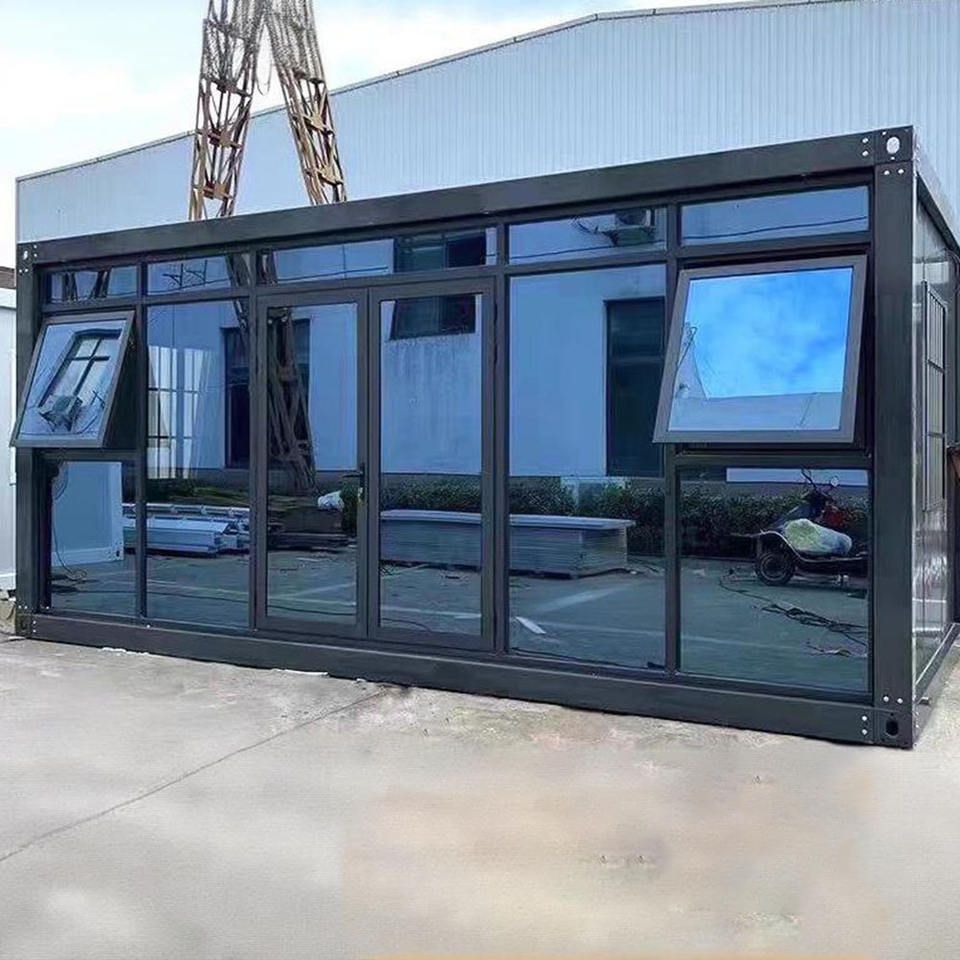
Diverse Types
- Single-unit Mobile Toilets: The most common form, with each unit being an independent toilet cubicle. They have a lightweight structure, making them easy to relocate and install, often transported to designated locations by trailers. Internally equipped with simple toilets, waste storage tanks, ventilation devices, etc., they are suitable for occasions with limited space and scattered locations, such as small event venues and temporary use in remote areas.
- Container-type Combined Toilets: Multiple toilet cubicles are pre-integrated into a large container at the factory, transported and hoisted as a whole. The interior space is relatively spacious, and the facilities may be more comprehensive, such as the addition of management rooms, tool rooms, and even simple barrier-free facilities. They are quickly installed and highly integrated, suitable for activities or construction sites that require a one-time provision of multiple toilet stalls and have a long usage period, such as large construction sites and long-term exhibitions.
- Trailer-mounted Large Toilets: These have comprehensive functions and are usually towed by large vehicles or have their own power. In addition to multiple toilet stalls, the interior may include a hand-washing area, cosmetic mirrors, hot water supply, etc., providing a user experience close to that of fixed public toilets. They are commonly used in long-term outdoor projects with high requirements for facility comfort, such as large-scale sports events, music festivals, and film and television shooting bases.
- Eco-friendly Toilets: These focus on resource recycling and environmental protection, with diverse technological paths. For example, they use microbial degradation technology to convert excrement into harmless substances or fertilizers, or vacuum suction technology to greatly reduce flushing water consumption. They are suitable for deployment in areas with strict environmental requirements, such as parks and green spaces, water source protection areas, and eco-tourism scenic spots.
Design Features
- Diverse Materials: The main frame is composed of welded steel, with the bottom generally using channel steel or I-beams for welding, and square steel for columns. Wall installation materials include color steel plates, metal carved plates, aluminum-plastic plates, and anti-corrosion wood, all of which are original packaged products from manufacturers with strict quality control.
- Customization: The shape and specifications can be customized, such as the specification of 222.8 (customizable). The appearance and layout can be customized to meet various needs.
- Multiple Treatment Methods: Appropriate treatment methods can be adopted according to the usage environment, including waterless packing type, ordinary water flushing type, water-saving flushing type, high-pressure water-air flushing type, foam sealing type, and microbial degradation type.
- Humanized Design: In addition to basic toilet functions, attention is paid to humanized details, such as being equipped with independent hand-washing sinks, mirrors, and third toilets, having sufficient lighting, effective ventilation, sturdy safety handrails, convenient flushing devices, and an adequate supply of toilet paper and hand sanitizer (or equipped with alcohol-based hand rub). Some mobile public toilets also have smart functions, such as smart mobile public toilets, where the management room can be operated with one button, the display screen shows real-time data (such as H2S hydrogen sulfide), and they can adapt to harsh environments, with some being able to withstand temperatures as low as minus 30 degrees Celsius.
Relacionados



