
Suzhou Construction Site Mobile Toilet Installation
The installation of mobile toilets at construction sites in Suzhou requires systematic planning, covering site assessment, equipment selection, installation and commissioning, and subsequent maintenance. It should be implemented scientifically in combination with geological conditions, usage requirements, and environmental protection standards.
I. Pre-installation Assessment and Plan Adaptation
- Foot Traffic and Toilet Planning: Estimate the peak foot traffic and duration at the construction site to determine the number of toilet stalls. For example, when the number of workers exceeds 200 during peak hours, it is recommended to configure at least 10 toilet stalls to meet demand.
- Geological Condition Handling: In some areas of Suzhou, the groundwater level is high or the soil is soft, requiring simple foundation treatment at the installation site, such as laying gravel cushions or concrete foundations, to prevent equipment settlement.
- Infrastructure Compatibility: Examine the accessibility of drainage networks, the possibility of power supply, and vehicle access routes. If connecting to the municipal network is required, confirm the interface standards in advance; if using independent sewage tanks, plan the operation routes for suction trucks.
II. Equipment Type Selection
- Trailer-mounted: Highly integrated, it can be used after being transported to the site by a towing vehicle and connected to water and electricity, suitable for short-term or temporary construction sites.
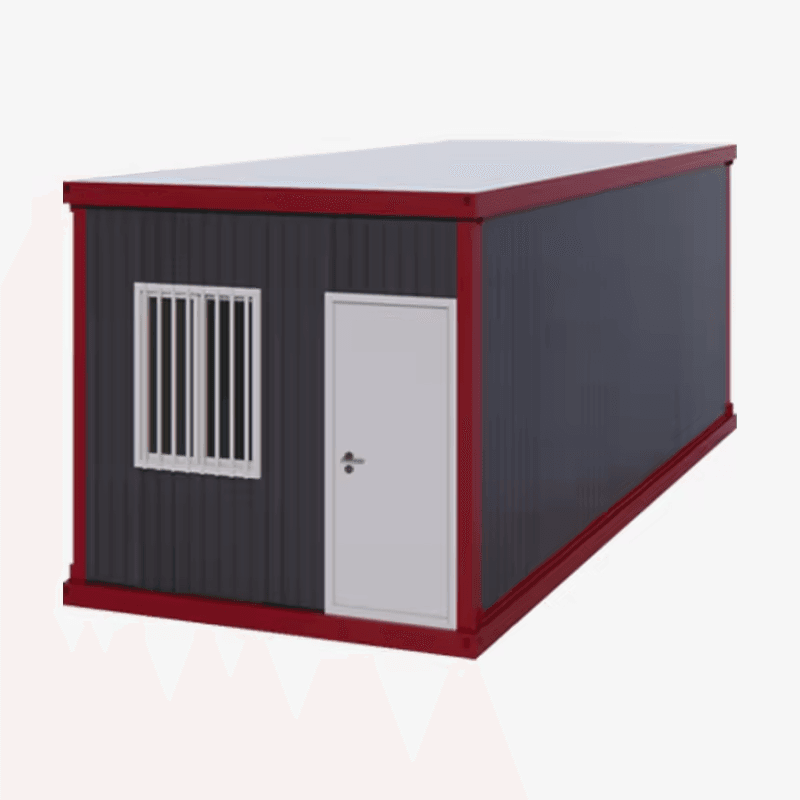
- Frame-assembled: Flexible in transportation, suitable for areas with narrow site entrances, but requires more labor hours for on-site assembly, suitable for medium- to long-term projects.
- Single-unit: Small in size and easy to move, suitable for small-scale construction sites or spaces with limited space.
III. Key Points in the Installation Process
- Avoid Underground Pipelines: Determine the location of pipelines through on-site surveys to avoid damaging underground facilities during installation.
- Wind Direction and Odor Control: The positioning of the equipment should consider the prevailing wind direction to minimize odor impact on activity areas.
- Power and Drainage Solutions: Prioritize the use of municipal power supply and equip with leakage protection devices; in the absence of municipal power, use solar panels combined with battery packs, requiring precise calculation of equipment energy consumption and local sunlight conditions.
IV. Subsequent Maintenance and Services
- Cleaning and Supply Replenishment: Establish clear cleaning frequency standards (e.g., twice daily) and a plan for replenishing sanitary supplies.
- Emergency Fault Response: Service providers should offer 24-hour fault repair services to ensure the normal operation of the equipment.
- End-of-lease Handling: The contract should clearly define the responsibilities for equipment dismantling, cleaning, and removal to ensure the site is restored to its original condition.
Reputable rental service providers typically offer free on-site installation services. Technicians will plan the placement location in advance to ensure compliance with safety regulations (e.g., more than 1.5 meters away from fire sources and excavation pits) and provide guidance on water and electricity connections, ensuring customers have no worries throughout the process.



