
Storage-type Portable Toilet
A storage-type portable toilet is a movable sanitation facility made from materials such as water storage tanks and pallets. It features mobility and ease of transportation, making it suitable for various locations.
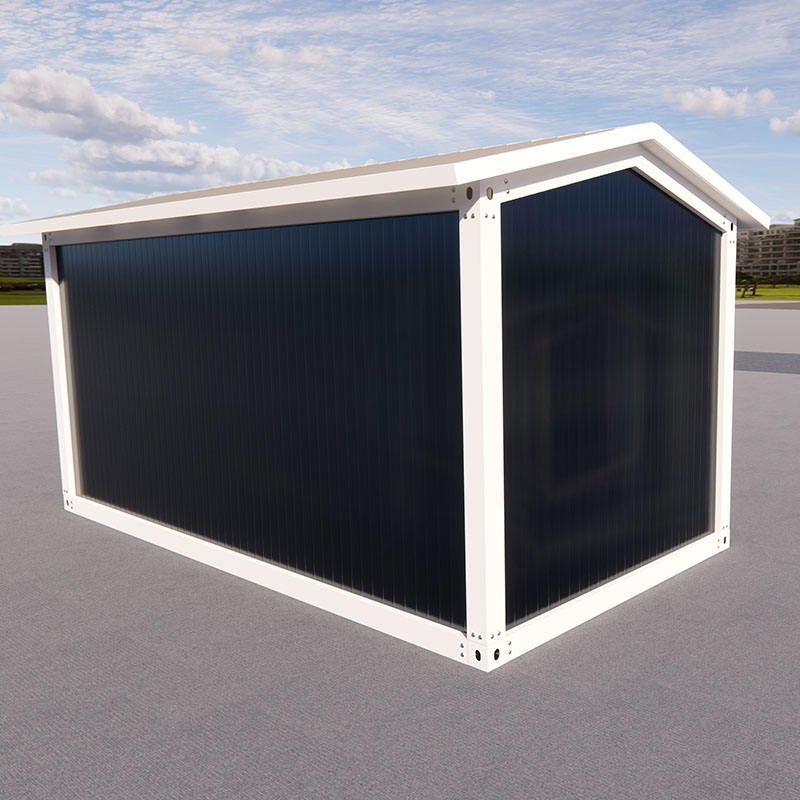
Production Materials and Methods
One way to produce a storage-type portable toilet is by using materials such as water storage tanks recovered from garbage stations. During production, first, casters are fixed at the four corners of the pallet bottom to facilitate movement. Next, the tops of the water storage tanks are cut to create open-top tanks. Two open-top tanks are stacked, and the outer frame is fixed with self-tapping screws to construct the main body of the toilet. Then, a doorway is cut out for easy access. A drainage hole is made in the interior floor, and a toilet is installed to meet basic excretion needs. Additionally, facilities such as faucets, washbasins, and showerheads are installed to provide washing functions. Finally, a wooden door is made to ensure privacy during use.
Composition and Structure of Portable Toilets
Portable toilets generally consist of multiple parts. The fecal sewage storage tank (or fecal sewage treatment device) is a crucial component used to collect and treat fecal sewage, preventing environmental pollution. The floor provides a stable standing and activity surface for users. Sanitary fixtures such as toilets are the basic equipment for excretion functions. Walls serve to divide spaces and protect privacy. Washing facilities, including faucets and washbasins, facilitate user hygiene. Water tanks store clean water to ensure the normal operation of various water facilities. The roof provides shelter from wind and rain, protecting internal facilities and users. Mobile devices such as casters enable the toilet to be easily moved and repositioned.
Suitable Locations
Due to its mobility, modularity, and ease of transportation, the storage-type portable toilet is suitable for locations such as train stations, docks, tourist attractions, and large construction sites. At train stations and docks, where there is a high volume of pedestrian traffic, portable toilets can be flexibly arranged to meet the toilet needs of travelers. In tourist attractions with large numbers of visitors, portable toilets can be adjusted in position according to visitor distribution to improve usage efficiency. On large construction sites with concentrated construction personnel, portable toilets can be moved along with the progress of the project to provide convenient sanitation conditions for workers.



