
Sewage Disposal of Storage Portable Toilets
There are mainly three methods for sewage disposal in storage portable toilets:
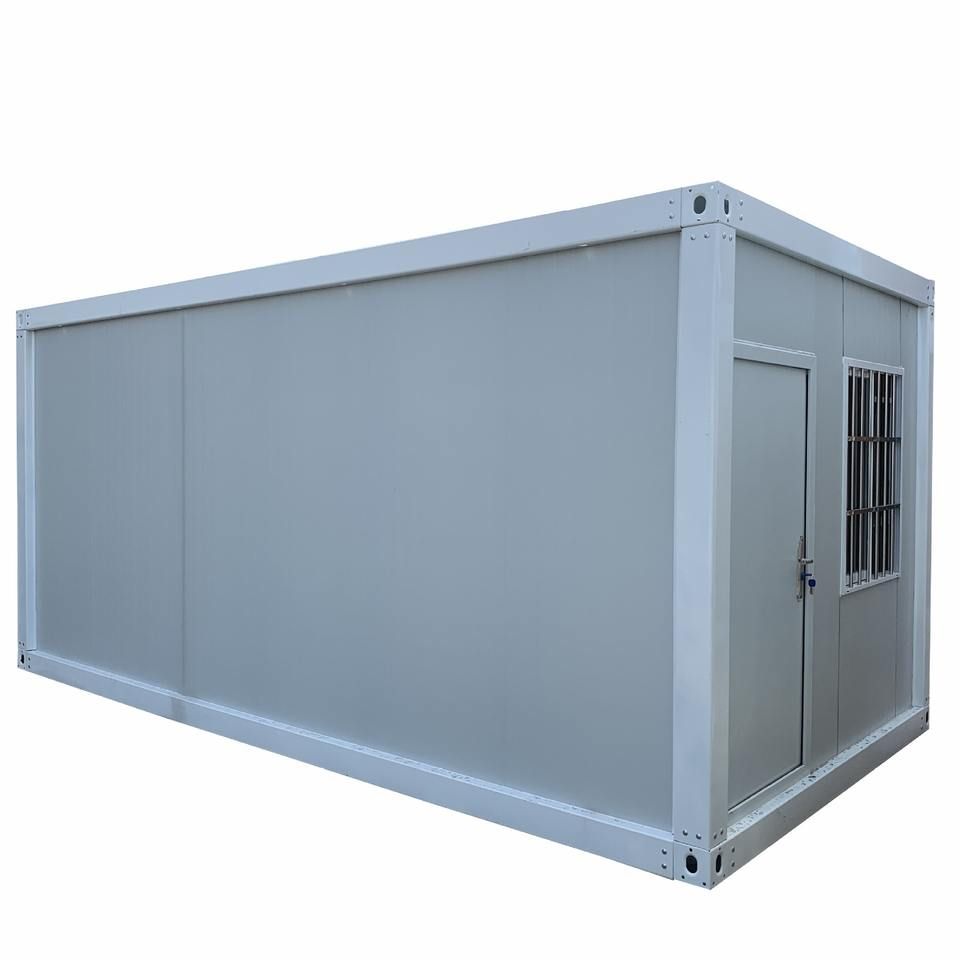
The first method involves the use of a sewage storage tank in conjunction with a sewage suction truck. The sewage storage tank is typically located beneath the squat toilet. When the sewage in the tank accumulates to a certain level, it needs to be cleaned. During cleaning, the squat toilet is lifted to expose the sewage outlet of the storage tank. Then, the suction pipe of the sewage suction truck is directly inserted into the outlet, and the powerful suction of the truck is used to remove the sewage from the tank. This method is suitable for locations without fixed sewage pipelines, such as outdoor event sites and construction sites, enabling quick and efficient transfer of sewage to professional treatment facilities and preventing environmental pollution.
The second method utilizes a sewage discharge valve for drainage. Some storage portable toilets are equipped with a sewage discharge valve. If there are sewage treatment facilities like septic tanks nearby the usage location, the toilet can be placed normally in a suitable position, connecting the sewage discharge valve to the septic tank's inlet. When sewage in the toilet needs to be discharged, the valve is pulled or twisted open, allowing the sewage to flow into the septic tank under gravity. This method is relatively simple to operate but requires ensuring a tight connection between the sewage discharge valve and the septic tank to prevent sewage leakage. Additionally, regular cleaning and maintenance of the septic tank are necessary to ensure its proper functioning.
The third method is a water-storage sewage disposal system. This is a relatively special sewage disposal method that discharges sewage into a storage tank through flushing with water. During toilet use, each flush pushes the sewage into the storage tank. When the sewage in the public toilet reaches a preset water level, the flushing device automatically activates, further flushing the sewage into the storage tank. As usage time increases, the sewage in the storage tank gradually accumulates. When the tank is full, it needs to be cleaned and replaced. This method helps maintain relative cleanliness inside the toilet but requires regular treatment of the sewage in the storage tank and ensuring an adequate water supply to meet flushing needs.



