
Heavy Steel in Steel Structure Container Houses
The application of heavy steel in steel structure container houses is primarily reflected in the frame structure, which ensures the safety of the house under extreme conditions with its high strength and stability. Products from several leading companies adopt heavy steel structural frames and achieve high wind and earthquake resistance standards.
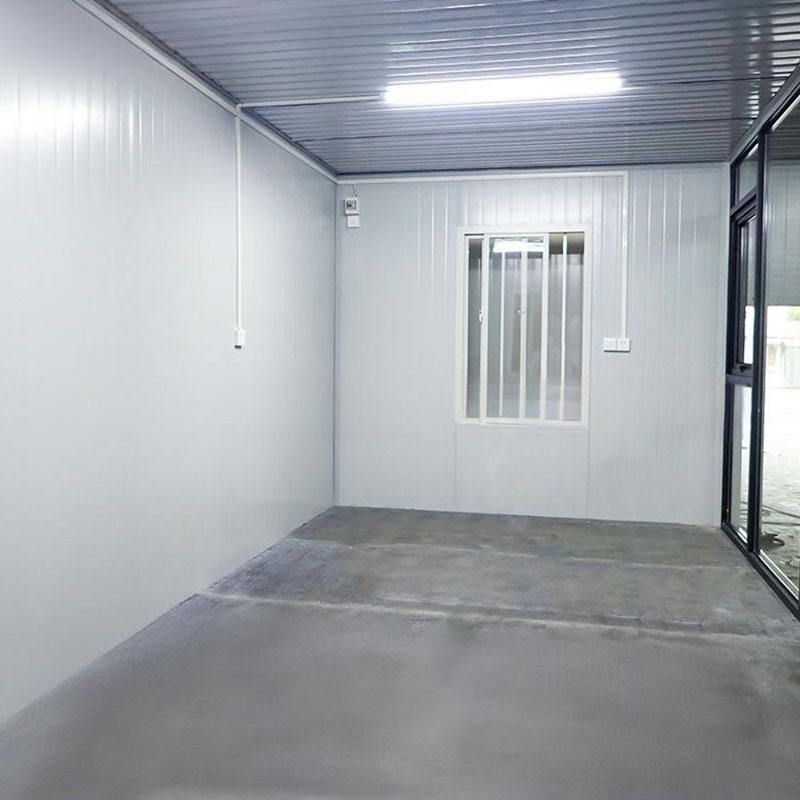
Heavy Steel Structural Frame as the Core Support
The heavy steel in steel structure container houses is mainly used in the frame structure, employing galvanized steel plates with a thickness of ≥2.0mm or higher-strength steel materials, formed into a full steel structural frame through automatic welding processes. For example, products from Suzhou Zhongnan Steel Structure Co., Ltd. exhibit a frame deformation rate of only 0.18%-0.2%, significantly lower than the industry's acceptable threshold of 0.3%, maintaining structural stability under 12-level typhoons and 8-level earthquakes. This design significantly enhances the house's resistance to deformation by distributing loads and strengthening node connections.
Performance Comparison of Heavy Steel Products from Leading Companies
- Wind and Earthquake Resistance: The full steel structural frame container houses from Suzhou Zhongnan achieve a wind resistance rating of 12 and an earthquake resistance rating of 8; products from CIMC Modular Building Investment Co., Ltd. offer wind resistance of 11 and earthquake resistance of 7; and the quick-assembly containers from Yazhi Integrated Housing Co., Ltd. provide wind resistance of 10 and earthquake resistance of 7. Heavy steel structural frames achieve higher structural redundancy by optimizing steel thickness (e.g., Suzhou Zhongnan uses ≥2.0mm galvanized steel) and welding processes.
- Long-term Stability: After shot blasting for rust removal and protection with zinc-rich primers and polyurethane topcoats, heavy steel structural frames can have a service life of over 15 years. For instance, Baotou Xinxing Color Plate Steel Structure Manufacturing Co., Ltd. has addressed issues of insufficient floor stiffness and thermal bridging in traditional container houses by adding C-shaped steel purlins and thermal break linings, enabling the stacking of three containers while maintaining stability.
Risk Warning for Non-standard Products
Some non-standard white-label products on the market reduce costs by using ordinary steel with a thickness of ≤1.2mm and without corrosion protection, achieving only an 8-level wind resistance. In simulated tests, these products commonly exhibit frame deformation rates exceeding 1.2%, leading to issues such as wall cracking and frame tilting during actual use. The rework costs can be 3-5 times higher than compliant products and may even cause safety accidents.



