
Standardized Mobile Toilet
A standardized mobile toilet is a mobile toilet facility with standardized specifications that can be customized to meet the needs of different scenarios. It comes in various types and has a wide range of applications.
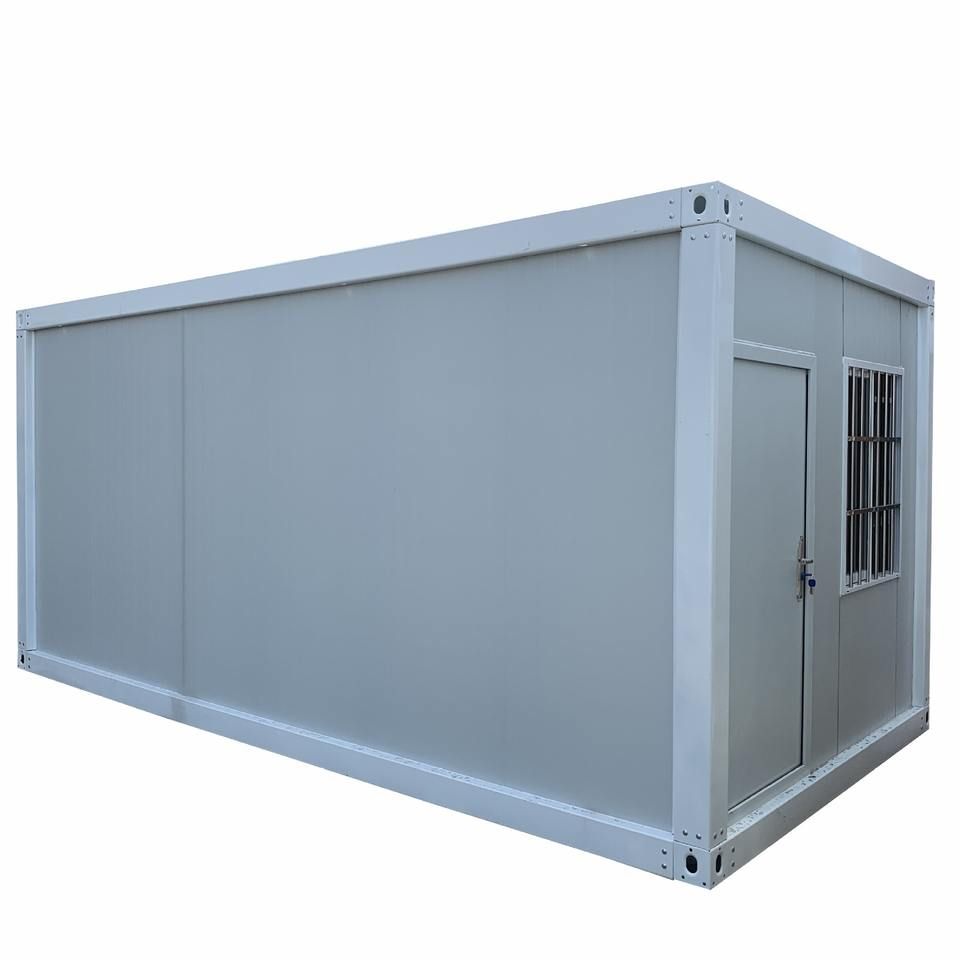
I. Product Types and Sizes The product types of standardized mobile toilets are mainly divided into single-unit and modular types. The single-unit type is an independent cubicle suitable for places with dispersed pedestrian traffic, such as municipal squares and tourist attractions. The modular type adopts a modular拼接 (modular assembly) design, allowing for flexible configuration of facilities such as sinks and urinals. It is suitable for scenarios requiring centralized use, such as construction sites and highway service areas. Their sizes usually follow standard specifications, with lengths ranging from 1.2 meters to 3.0 meters. Specific sizes can be adjusted according to user needs.
II. Materials and Internal Configurations In terms of materials, standardized mobile toilets use a steel frame structure combined with exterior wall materials such as galvanized steel sheets and stainless steel sheets to ensure a sturdy and corrosion-resistant structure. The internal configurations include basic facilities such as lighting systems, sockets, and exhaust fans, and support the addition of upgrade options such as air conditioners and smart sensing devices to adapt to different climates and usage requirements.
III. Functional Classifications and Sewage Treatment Methods According to the structural form, mobile toilets are divided into single-unit structures and composite structures; according to the mobility method, they are divided into hoisting and handling types and powered towing types, facilitating transportation and deployment. There are various sewage treatment methods, including flushing types, non-flushing suction types, circulating flushing types, and dry packing types, which can be selected according to the water resource conditions and environmental protection requirements of the usage scenario. For example, tourist attractions often adopt flushing or circulating flushing types, while construction sites may prefer dry packing types to reduce sewage discharge.
IV. Customization Process and Production Cycle Enterprises can customize the size layout, door and window positions, circuit configurations, and exterior colors according to user needs, with a production cycle of approximately 7 to 15 days. After completion, the toilets are transported to the site in whole or modular form and can be put into use through rapid assembly, significantly shortening the construction cycle.
V. Application Scenarios Standardized mobile toilets are widely deployed in temporary or mobile locations, such as municipal squares, tourist attractions, construction sites, and highway service areas. They effectively compensate for the insufficient number or layout defects of fixed public toilets and have become the preferred sanitary facilities for temporary activities.



