
Standard Mobile Toilet Equipment Manufacturing
Standard mobile toilet equipment manufacturing is a systematic project involving multiple links and elements, covering aspects such as composition structure, material selection, structural classification, sewage treatment methods, and manufacturing key points.
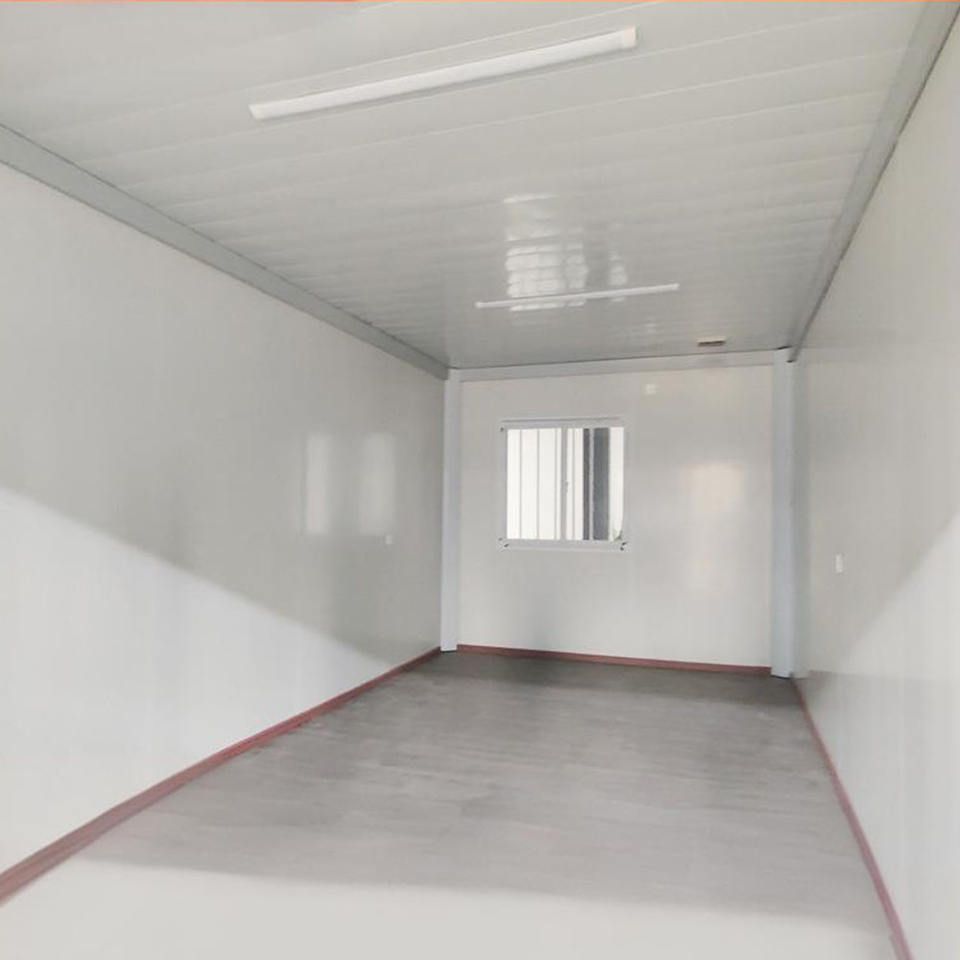
In terms of composition structure, a mobile toilet is generally composed of a fecal sewage storage tank (or fecal sewage treatment device), floor slab, sanitary ware, walls, washing equipment, water tank, roof, and mobile device. These components work together to achieve the basic functions of a mobile toilet, such as the collection and treatment of fecal sewage and daily sanitary cleaning.
Regarding material selection, there has been a transition from wood to materials such as fiberglass-reinforced plastic and polyethylene. Modern manufacturing tends to favor lightweight and durable materials, which not only reduce the overall weight of the toilet for easier mobility but also ensure the toilet's sturdiness and durability, extending its service life.
Based on structural form, mobile toilets can be divided into single-structure mobile toilets and composite-structure mobile toilets. Single-structure toilets are relatively simple and suitable for scenarios with limited space or high flexibility requirements; composite-structure toilets are more complex, potentially offering more functions and higher stability, suitable for large-scale events or long-term use.
Based on mobility methods, they can be classified as lifting and handling mobile toilets and powered and towed mobile toilets. Lifting and handling mobile toilets mainly rely on external equipment for movement and are suitable for short distances or occasional moves; powered and towed mobile toilets have autonomous mobility capabilities and can be moved over long distances, offering greater convenience.
Based on sewage treatment methods, they can be divided into water-flush and non-water-flush suction mobile toilets, circulating water-flush mobile toilets, and dry-packing mobile toilets. Water-flush and non-water-flush suction mobile toilets treat fecal sewage through flushing or suction; circulating water-flush mobile toilets recycle flushing water to conserve water resources; dry-packing mobile toilets package feces for treatment without water, suitable for water-scarce areas.
During the manufacturing process, the overall structure should be lightweight yet sturdy, with reasonable control over the toilet's height and width, and the mobile device should be complete and reasonable to ensure the practicality and convenience of the mobile toilet.



