
Standard Sizes of Mobile Toilets in Squares
The standard sizes of mobile toilets in squares vary depending on the type, with common size ranges as follows:
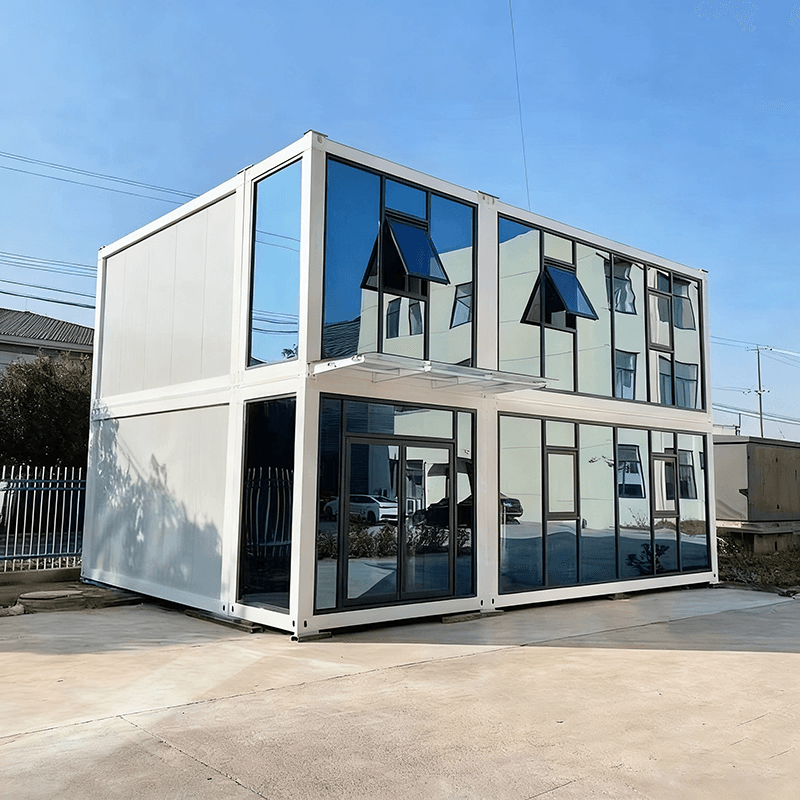
Single-unit Mobile Toilets
These toilets are typically designed for single-person use, with relatively compact external dimensions. The length generally ranges from 1.2 meters to 1.5 meters, with some sources indicating a minimum of 1.1 meters. The width ranges from 1.0 meter to 1.2 meters, and the height usually starts at 2.2 meters, with some models reaching 2.5 meters. This size design meets the space requirements for single-person activities while facilitating transportation and flexible placement. The interior space needs to accommodate basic facilities such as a toilet, door, and ventilation system, with the height ensuring user comfort when standing and providing space for pipes and structural supports.
Multi-unit Combined Mobile Toilets
When multiple people need to use the toilet simultaneously, multi-unit combined toilets expand space through modular design. For example, the length of a two-unit module may extend from 2.4 meters to 3.0 meters, while the width remains at 1.0 meter to 1.2 meters to control the overall footprint. This design increases capacity by horizontally connecting single-unit modules, making it suitable for squares or temporary event venues with high foot traffic.
Large Container-style Mobile Toilets
For long-term use or high-traffic scenarios, container-style mobile toilets adopt larger dimensions. Their length can exceed 6 meters, and the width can expand to over 2.5 meters, with more comprehensive internal functional zoning. These toilets typically include multiple male and female toilet stalls, accessible restrooms, and a management room. Some high-end models are also equipped with sinks and hand dryers. For example, a standard container may be divided into 4-6 toilet stalls and include a separate management room for storing cleaning tools or monitoring equipment. The overall dimensions must meet the requirements for equipment installation, personnel movement, and ventilation and lighting.
Factors Influencing Size Differences
The size design of mobile toilets must consider usage scenarios, functional requirements, and transportation constraints. Single-unit toilets prioritize portability and flexibility, making them suitable for temporary events. Multi-unit combined toilets balance capacity and cost through modularization. Container-style toilets enhance comfort and functionality by expanding space. Additionally, material selection (such as lightweight alloys or plastics) and structural design (such as foldable or detachable features) also affect the final size parameters.



