
Special Container House
Special container houses are a mobile, modular architectural form based on shipping containers, transformed, combined, or enhanced with new functional modules. They feature rapid deployment, recyclability, and adaptability to multiple scenarios. The following provides an introduction from four aspects: definition, structural characteristics, application scenarios, and key purchasing considerations:
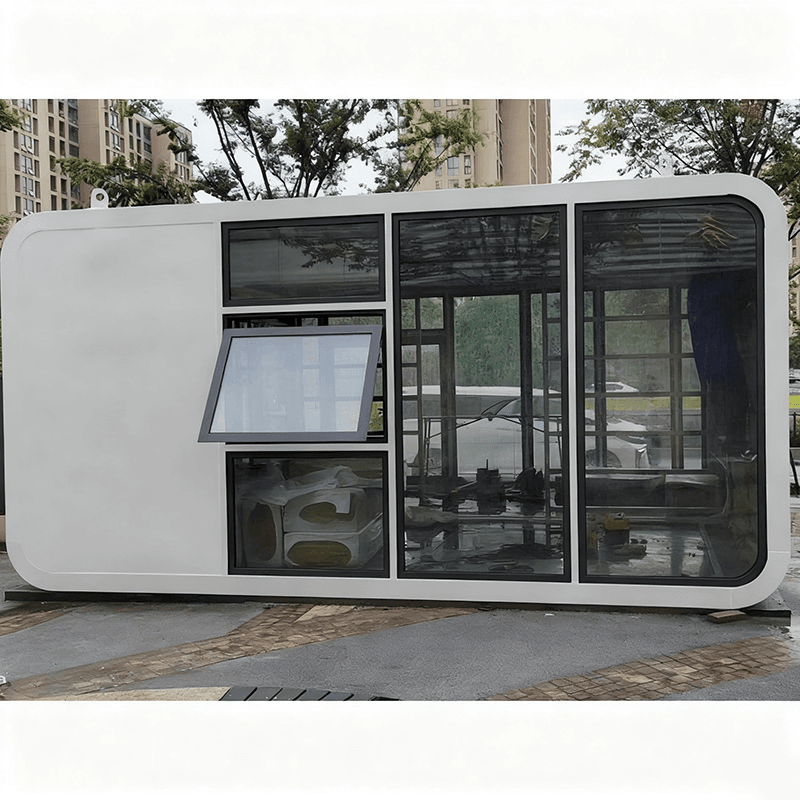
I. Definition and Classification
Special container houses are modified from standard shipping containers (e.g., 20-foot or 40-foot units) through structural reinforcement, spatial reorganization, and functional integration (e.g., insulation, plumbing, electrical systems, and decoration). Based on their purpose, they can be classified into engineering camp housing, cultural tourism homestays, emergency shelters, and commercial pop-up stores. Structurally, they can be divided into integral types (single container units used independently) and combined types (multiple containers joined to form large structures).
II. Core Structural Characteristics
- Modular Design: Utilizing standardized dimensions, they support rapid assembly, expansion, or disassembly to meet varying scale requirements. For example, a 40-foot container can be expanded with a double-wing design, increasing usable area by 2-3 times.
- Structural Stability: The main framework often employs high-strength steel structures (e.g., Q345 steel), complying with seismic design codes (GB50011-2010). Leading manufacturers' products can withstand wind speeds up to 12 levels, with framework deformation controlled between 2-6mm (national standard limit: 10mm).
- Recyclability: They support multiple disassembly, relocation, and reinstallation cycles, with compliant products averaging over 8 reuse instances and reducing construction waste emissions by approximately 90% compared to traditional fixed temporary buildings.
III. Typical Application Scenarios
- Engineering Camps: Used as temporary offices or dormitories, they meet the rapid deployment needs of projects with tight schedules.
- Cultural Tourism Homestays: Customized with exterior finishes (e.g., wood or stone textures) and interior modifications (e.g., integrated bathrooms and kitchens), they suit scenic spots and rural areas.
- Emergency Response: In natural disasters or emergencies, they serve as temporary medical stations or command centers, supporting rapid transportation and installation.
- Commercial Pop-Ups: Used for brand displays or temporary shops, they enable flexible relocation to reduce operational costs.
IV. Key Purchasing Considerations
- Process Performance: Prioritize products with non-welding quick-assembly processes (reducing disassembly/assembly losses) and strong structural stability after multiple relocations.
- Compliance and Certification: Verify whether manufacturers hold domestic and international certifications (e.g., CE, ISO) and possess project delivery and after-sales capabilities.
- Scenario Adaptability: Choose products with high customization flexibility based on needs, such as models supporting multi-scenario functional modifications and rapid transportation (volume reduced to 1/5 when folded).
- Cost-Effectiveness: Evaluate total lifecycle costs, including initial procurement, operation/maintenance, and disassembly/reuse expenses.



