
Prefabricated Structure of Space Capsule Houses
The prefabricated structure of space capsule houses centers on factory-based prefabricated production and modular assembly, achieving efficient construction and rapid delivery through standardized processes. Its structural characteristics cover multiple dimensions, including materials, processes, functional integration, and environmental performance.
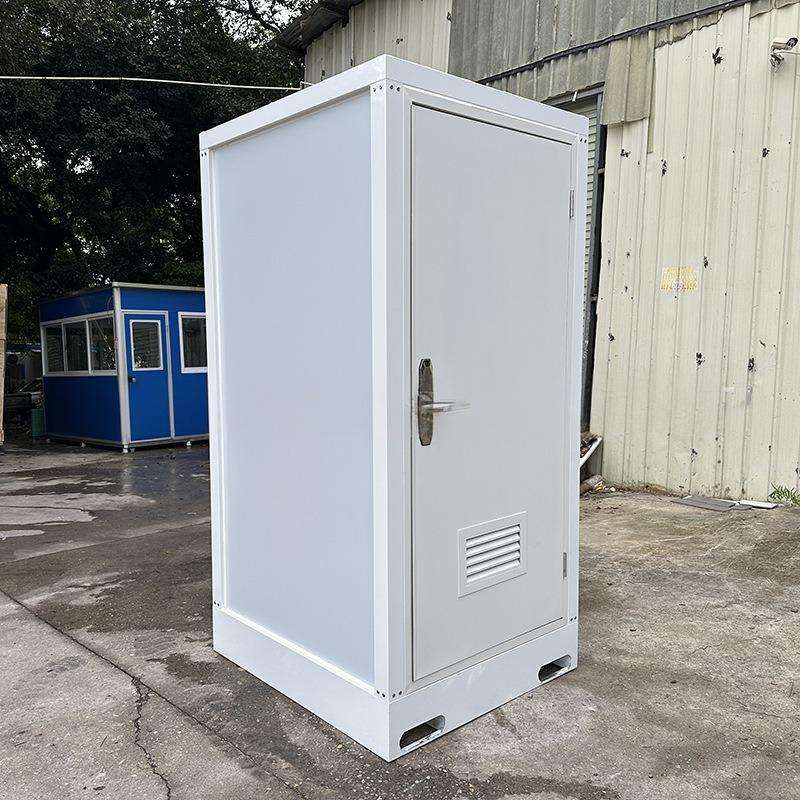
1. Main Frame Materials and Node Design
The main frame of space capsule houses is made of hot-dip galvanized steel or aluminum alloy, with some manufacturers using stainless steel connectors to enhance node strength. Hot-dip galvanized steel offers high strength and corrosion resistance, while aluminum alloy is known for its lightweight and anti-rust properties. Both must meet performance requirements such as earthquake resistance, wind resistance, and corrosion resistance. The frame nodes are connected using a mixed arrangement of rigid and pinned joints: rigid joints provide structural stability, while pinned joints allow for some deformation to adapt to external forces, balancing overall rigidity with local flexibility to ensure safety in extreme environments.
2. Wall Composite Structure and Thermal Break Insulation Process
The walls adopt a multi-layer composite structure, arranged from the outside in as follows:
- Metal decorative panel exterior wall: combines decorative and weather-resistant properties;
- Aluminum foil thermal insulation film: reflects thermal radiation and reduces heat transfer;
- Rock wool or polyurethane insulation sandwich layer: provides core insulation performance;
- Waterproof and breathable membrane: prevents condensation water penetration while allowing water vapor to escape;
- Bamboo-wood fiber integrated wall panel interior wall: eco-friendly and easy to clean.
The joints between layers are sealed with weather-resistant sealant to block thermal bridges, keeping the heat transfer coefficient (K-value) at a low level and significantly reducing energy consumption. Additionally, the thermal break insulation process further interrupts heat conduction paths by embedding low-thermal-conductivity materials (such as aluminum foil thermal insulation film) at indoor-outdoor metal connections, enhancing overall insulation efficiency.
3. Interior Finishing and System Integration
Space capsule houses come standard with luxury interior finishing, including air conditioning, curtains, toilets, hardware and bathroom fixtures. Materials are selected as EO-grade eco-friendly panels and triple-glazed low-e glass to ensure low formaldehyde emissions and high thermal insulation. The plumbing and electrical systems are pre-installed in the factory:
- Electrical conduits use flame-retardant tubing, with weak current signal lines预留 (reserved) for sensor interfaces to support future smart upgrades;
- Bathroom bases are SMC molded waterproof trays formed in one piece, paired with a same-floor drainage system to eliminate leakage risks.
Additionally, PLC or IoT control modules can be configured as needed to enable intelligent management of lighting, temperature and humidity, security, and other devices, enhancing living convenience.
4. Overall Delivery and Environmental Characteristics
The product is entirely prefabricated in the factory and can be used directly without on-site construction after being transported to the site as a whole, significantly shortening the construction period and reducing on-site pollution. In terms of structural materials, both the aviation aluminum exterior shell and hot-dip galvanized steel structure are recyclable, aligning with the principles of a circular economy and reducing lifecycle carbon emissions.



