
Small Prefabricated Modular Housing
Small prefabricated modular housing refers to a construction mode where buildings are disassembled into independent modules, prefabricated in factories, and then transported to the site for assembly.
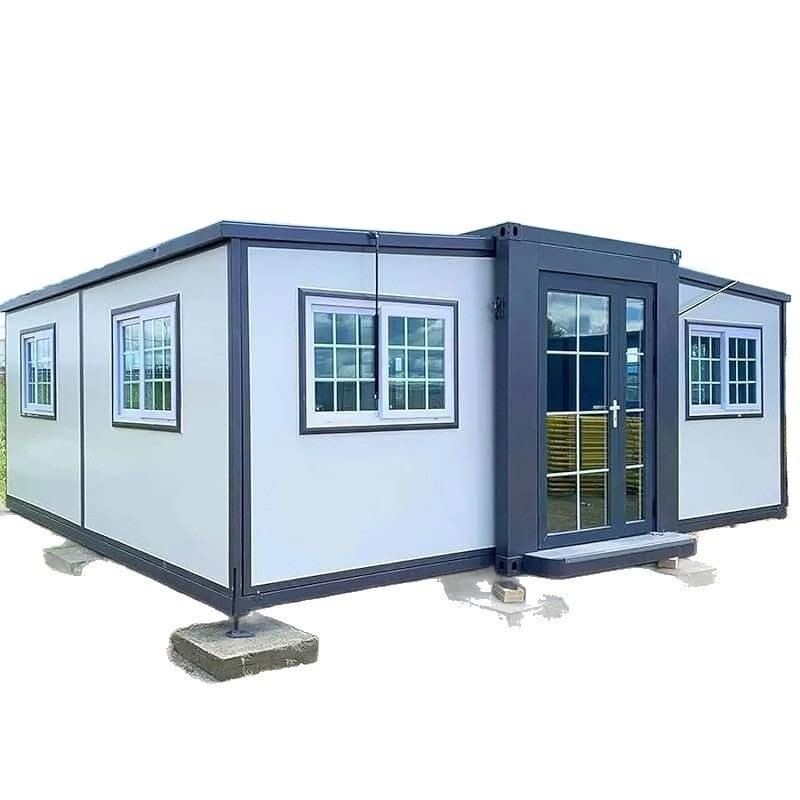
Construction Process: Modules undergo integrated production of the main structure, enclosure system, equipment pipelines, and interior decoration on factory assembly lines, covering details such as ceilings, floors, water and electricity lines, and even bathroom waterproofing. On-site, modules are spliced and combined using lifting equipment, similar to the assembly method of 'building blocks'. For example, a retirement apartment project in the UK used 63 modules, which were transported from China and assembled on-site in just two weeks; a hotel project in Papua New Guinea achieved full functionality through the assembly of 84 modules.
Efficiency Advantages: The construction period is shortened by 50%-60% compared to traditional methods, with some cases achieving even higher efficiency. A social housing project in Shenzhen, Guangdong, used 6,028 concrete modules, reducing the construction period from 2.5-3 years to 1 year, and reducing on-site labor by about 50%; there is also a case of a rural house being built in 14 days. Parallel operations in factories and intelligent production lines further shorten the cycle while reducing reliance on on-site construction processes.
Quality and Environmental Protection: Factory standardized production controls component accuracy to the millimeter level, with significantly better quality stability than on-site construction. Construction waste is reduced by about 80%, and on-site noise and dust pollution are significantly reduced, while also alleviating traffic pressure due to reduced transportation needs. For example, a modular data center project achieved zero on-site wet operations through prefabrication, meeting green building standards.
Application Scenarios: It covers fields such as residential housing, schools, hospitals, hotels, retirement apartments, office buildings, and data centers. Jiangmen CIMC Digital Energy Equipment Co., Ltd. has delivered modular data centers with a total installed capacity of over 1,000 megawatts; the Beijing Haidian District Dinghuisi North Plot Affordable Rental Housing Project is the first concrete modular affordable housing demonstration project in Beijing.
Market and Technology: China's modular building exports have grown rapidly, with export value through Shenzhen ports increasing by 19.6% in the first four months of 2023, covering more than 150 countries and regions. The market predicts that the global scale will exceed $142.8 billion by 2030. At the technological level, it relies on precise positioning of component locations at the design source, requiring the construction of a complete technological system, production system, and industrial cluster. Cities such as Guangzhou and Shenzhen have introduced policies to promote its application.



