
Volver al blog
Artículo
Small Mobile Toilet Production
Admin 21 de septiembre de 2026
There are mainly two ways to produce small mobile toilets: homemade using water storage tanks and factory mass production. Details are as follows:
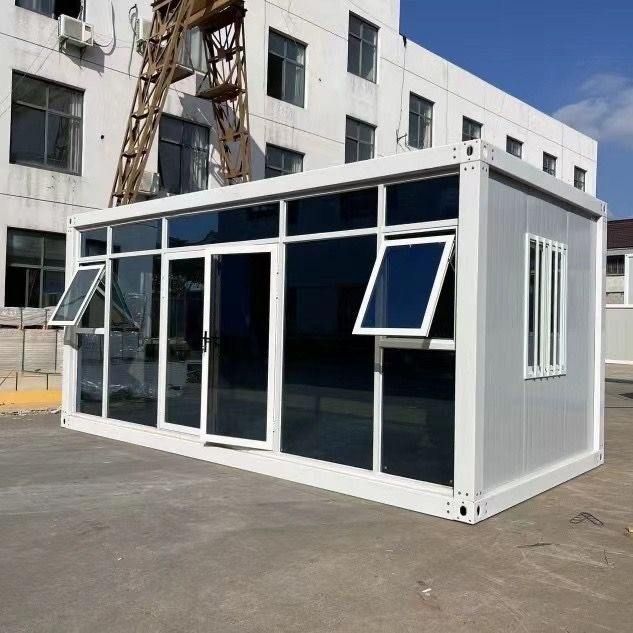
Homemade Mobile Toilet Using Water Storage Tanks
- Basic Structure Construction: Use an angle grinder to split a water storage tank in half. Fix universal wheels at the four corners of a wooden board for easy mobility. Use wooden strips and self-tapping screws to fix them on the upper side of the tank to increase height, providing space for subsequent installation of other components.
- Wall and Roof Construction: Cut an opening on the side of the water storage tank for the door. Install sponge strips to form the door frame and embed plastic soft boards to create raised walls. Place the upper half of the water storage tank on top of the wooden strips to form the roof. Apply white waterproof paint to the wooden strips to enhance aesthetics and prevent moisture damage.
- Door Construction: Use foam strips to拼接 (assemble) discarded honeycomb wooden boards to make a simple door that meets basic opening and closing requirements.
- Drainage and Water System Installation: Cut a hole at the bottom of the tank and install a drain pipe to form a floor drain for easy sewage discharge. Cut holes on the side and bottom of a plastic bucket and connect them with direct fittings. Place the plastic bucket on the roof to form a small water storage device. Connect a water pipe-made bath heater. Install a tee under the water inlet pipe and connect it to a showerhead to meet bathing water needs. Place a toilet and install a water tank, fixing it with glass glue. Connect the drain pipe to the sewage tank. Horizontally connect a water pipe to the tee on the outlet pipe and extend it to the door as the water inlet pipe for the sink.
Factory Mass Production of Mobile Toilets
- Basic Skeleton Construction: Cut and weld steel frames according to order specifications to form a basic skeleton, ensuring structural strength to withstand frequent handling.
- Wall Panel and Roof Installation: Common materials include color-coated steel sheets, metal carved panels, or fiberglass-reinforced plastics. These materials are durable, waterproof, and fire-resistant, meeting usage requirements in different environments.
- Internal Functional System Installation: This includes toilet fixtures, flushing devices, sewage systems, and ventilation equipment. Water treatment systems have different technical approaches, such as being equipped with small septic tanks or connected to biological degradation or chemical treatment units. Some products also integrate solar power supply systems for energy conservation and environmental protection.
- Quality Inspection and Packaging: Inspections cover basic safety items such as water and electricity leaks, as well as structural stability tests after simulating transportation vibrations to ensure product quality. After inspection, the products are transported to their destinations by road.
Relacionados



