
Small Container House on Roof
Whether placing a small container house on the roof constitutes an illegal structure depends on the situation, with the key being whether it is constructed in accordance with laws and regulations and meets safety requirements. Here is a detailed analysis:
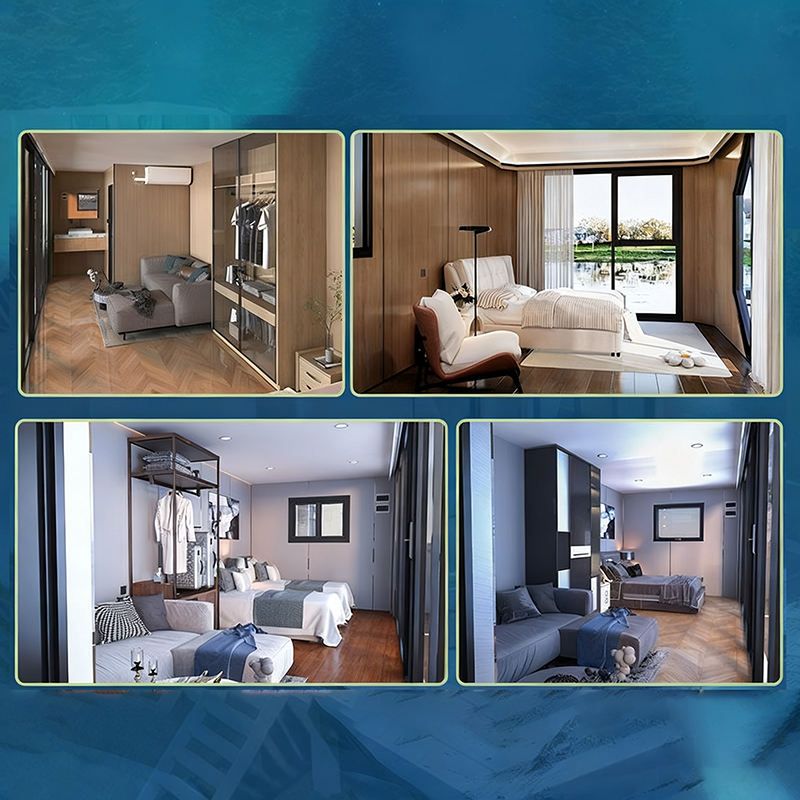
1. Legal Definitions and Core Criteria for Determination
According to the Urban and Rural Planning Law and the Land Administration Law, an illegal structure must meet two core conditions: first, it lacks planning permission or land use permission; second, it forms a fixed building and changes the nature of the land. Container houses, due to their mobility, lack of foundation, and non-land-occupying nature, are generally not considered traditional buildings. However, if they substantially change their use through methods such as hardening the ground, connecting to utilities, long-term residence, or business operations, they may be deemed illegal structures.
2. Impact of Regional Policy Differences
There are significant differences in the regulatory standards for container houses across different regions:
- Inclusive Policies: Some cities, such as Shanghai and Shenzhen, have introduced special policies to encourage the use of container buildings in cultural tourism and commercial sectors, allowing them to exist as temporary structures without the need for complex approval procedures.
- Strict Control Policies: Agricultural provinces or ecological protection zones may require temporary building registration for container houses in fields, even if they are only used for storing agricultural tools; container houses on urban rooftops must comply with structural safety assessments and planning requirements.
- Gray Areas: Some regions lack clear regulations, making it difficult for law enforcement agencies to define the nature of container houses, requiring a comprehensive assessment based on specific uses and construction methods.
3. Key Conditions for Compliant Use
To avoid being classified as an illegal structure when placing a container house on the roof, the following conditions must be met:
- Usage Restrictions: It should only be used for non-residential and non-business purposes such as temporary storage and agricultural material storage, avoiding substantial changes to the land or building functions.
- Structural Safety: Ensure that the placement of the container does not affect the load-bearing capacity of the building, requiring professional design assessment and compliance with the Technical Code for Modular Combination Container Houses.
- Ground Treatment: Avoid hardening the ground or constructing permanent foundations to prevent forming fixed building characteristics.
- Approval Process: Some regions require obtaining temporary land use and temporary construction planning permits, with a typical usage period not exceeding 2 years.



