
Siping Mobile Toilet Construction
The construction of mobile toilets in Siping involves multiple aspects such as installation and configuration, structural performance, construction process, maintenance and management, as well as special requirements for construction sites.
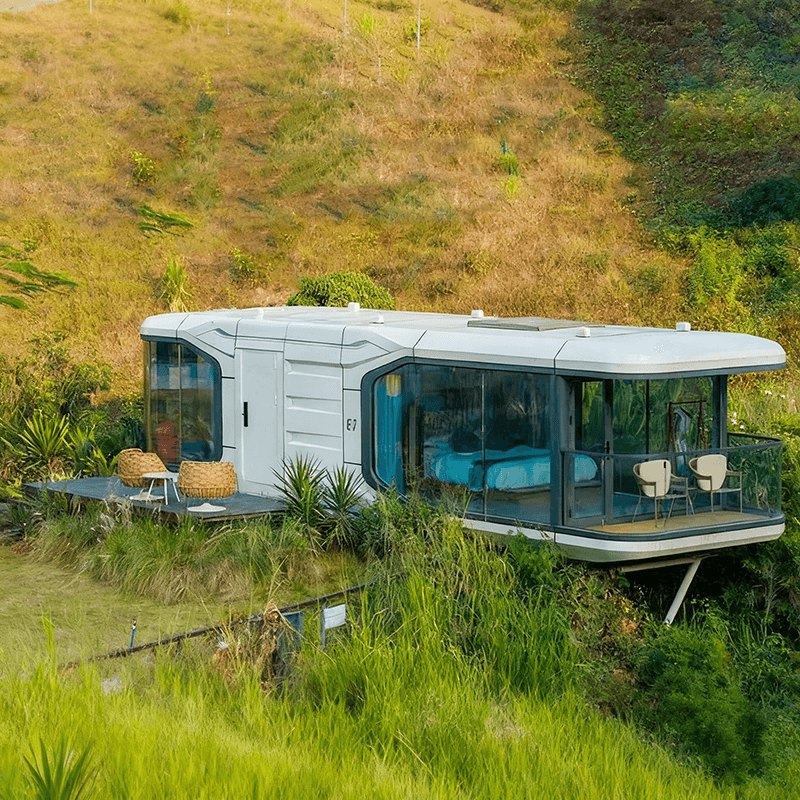
Installation and Configuration: The installation and configuration of mobile toilets in Siping are relatively flexible. Taking the mobile toilet with a four-square-meter double-unit design in Liangjiacun as an example, its basic internal configuration includes squat toilets, and it can also add shower functions according to actual needs to meet the usage requirements in different scenarios.
Structural Performance: As a modular independent sanitation unit for construction sites, the basic structure of mobile toilets is usually constructed using high-strength composite materials or metal frames. It has windproof, rainproof, and certain heat insulation properties, enabling it to adapt to different outdoor environments. Internally, it integrates facilities such as toilets, flushing systems, hand-washing basins, mirrors, lighting, and ventilation devices. Among them, the flushing system offers two mainstream options: traditional water tank flushing and environmentally friendly foam sealing or microbial degradation technology. The ventilation system mostly combines passive ventilation holes with active exhaust fans to ensure air circulation inside the toilet and reduce odors.
Construction Process: The construction of mobile toilets is not simply about placing equipment but a systematic task. Before construction, route planning and on-site terrain assessment are required, and appropriate lifting or towing equipment should be selected according to the actual situation. During the placement process, it is necessary to ensure that the equipment is level and stable to ensure its normal use.
Maintenance and Management: After deployment, the maintenance cycle begins. Maintenance work includes the collection and transfer of solid waste, replenishment of clean water, emptying of septic tanks or sewage storage tanks, replenishment of consumables (such as toilet paper, hand soap, and degradation agents), and routine inspections of equipment functions to ensure that the mobile toilets are always in good operating condition.
Special Requirements for Construction Sites: The construction site environment has special requirements for mobile toilets. They may need stronger structural stability to cope with the complex environment and possible collisions at the construction site. They should reduce dependence on external water and electricity supplies to improve convenience of use. They should also adopt eye-catching colors and markings that are more suitable for the environment around heavy machinery to ensure construction safety. Rental companies also need to calculate the number and types of toilet units required and plan reasonable placement locations based on factors such as the number of construction workers, the length of the construction period, and the functional zoning of the construction site.



