
Single-Person Portable Toilet Assembly
The assembly of single-person portable toilets requires different methods depending on the specific type, mainly divided into three categories: standardized portable toilets, basic portable toilets, and dual-function (squat and sit) toilets. The specific steps are as follows:
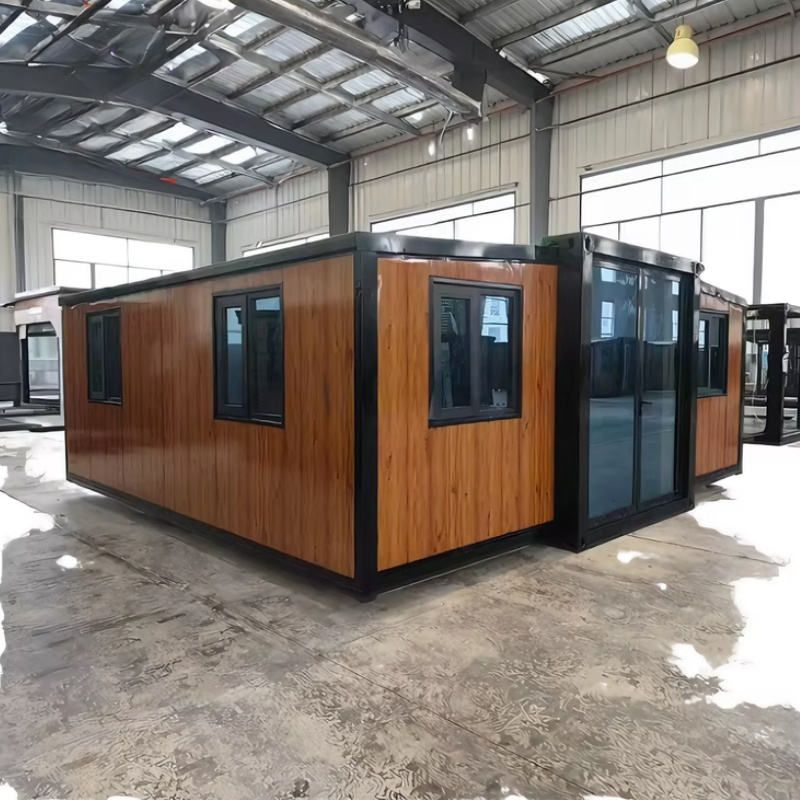
I. Assembly of Standardized Portable Toilets
These toilets are assembled from prefabricated components made in the factory, with core steps including:
- Component Assembly: Align the prefabricated wall panels, floor panels, and roof panels according to the design drawings, and secure them with clips or bolts to ensure structural stability.
- Installation of Internal Fittings: Install the toilet (such as a squat toilet or sit toilet), sink, flushing system, etc. sequentially. Ensure that when connecting water pipes and drainage pipes, sealing rings are used to prevent leakage.
- Waterproof Testing: Fill the toilet and sink with water to check if the drainage pipes are unobstructed. Observe the joints for any signs of water leakage and reseal if necessary.
- Electrical System Inspection: If equipped with lighting or ventilation equipment, test the circuit to ensure it is functioning properly and that the grounding is good to avoid the risk of electric shock.
- Appearance Inspection: Clean surface stains and check the wall panels and roof panels for scratches or deformation to ensure overall aesthetics.
II. Assembly of Basic Portable Toilets
Suitable for simple and portable toilets, the steps are as follows:
- Install Anti-Slip Pads: Insert silicone anti-slip pads into the four corners of the bottom to ensure the toilet remains stable and does not slide when placed.
- Upper and Lower Body Assembly: Align the clip positions of the upper and lower bodies of the toilet, press down until a 'click' sound is heard, and confirm that the clips are fully engaged to prevent separation during use.
- Function Testing: Fill the toilet with water to check if the flush button is flexible and if the drainage is smooth without blockage or backflow.
III. Installation of Dual-Function (Squat and Sit) Toilets
These toilets have complex functions and must be operated strictly in sequence:
- Flange Installation: Align the center of the toilet flange with the center of the sewer pipe, slowly place the toilet upright, and ensure the flange fits tightly against the pipe to prevent odor leakage.
- Water Connection: Install a triangle valve and connect the water inlet and sprayer through a three-way connector. Use a wrench to tighten the water inlet hose to prevent leakage.
- Sprayer Assembly: Tighten sealing rings at both ends of the sprayer and connect it to the other end of the three-way connector to ensure the joints are not loose.
- Bracket Fixation: Forcefully insert the sprayer bracket into the top of the three-way connector and confirm that the clip is secure to prevent the sprayer from falling off.
- Sealing with Glue: After testing the toilet for water leakage and finding no issues, apply glass glue at the contact point between the base and the floor to further enhance sealing and prevent sewage leakage.
Precautions: Before assembly, read the instruction manual to confirm that all components are complete; use specialized tools (such as wrenches, sealing glue) to ensure proper operation; if electrical or water system modifications are involved, it is recommended to have them done by professionals.



