
Simple Style Container House
The simple-style container house takes modular design as its core, combining structural optimization, functional integration, and minimalist aesthetics to achieve a low-cost and highly flexible solution for residential or commercial spaces.
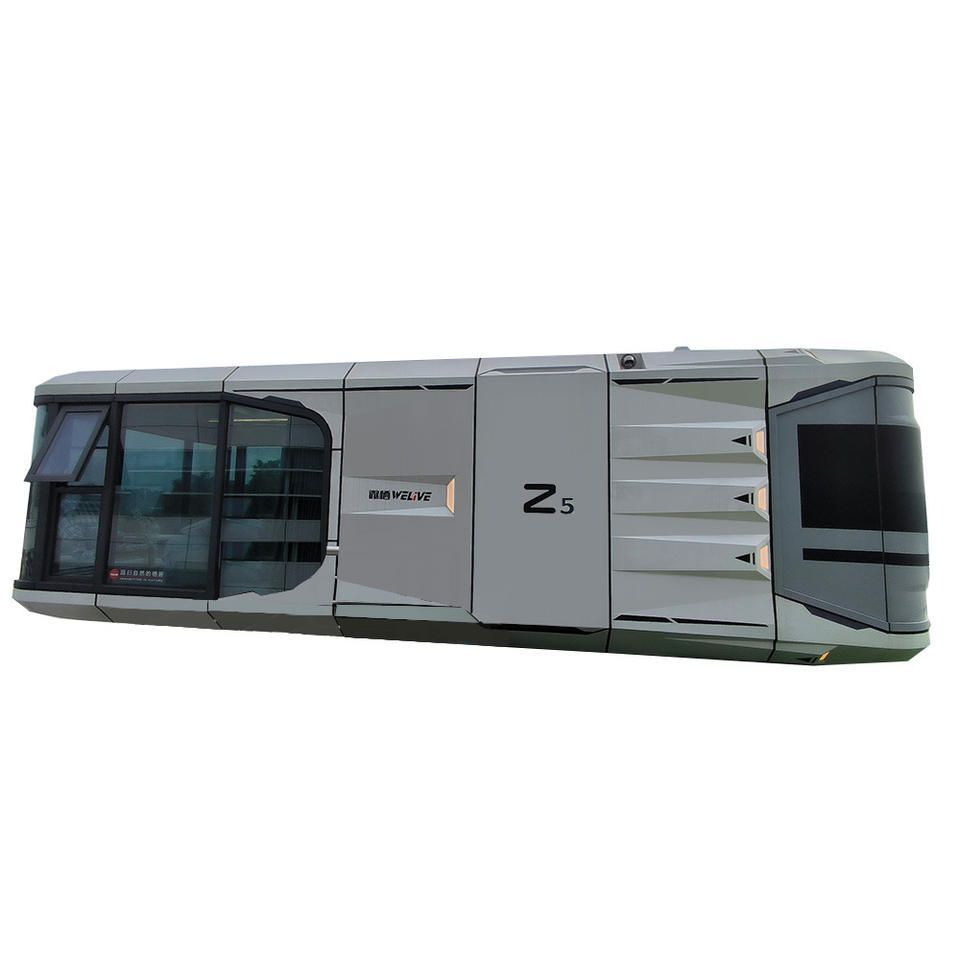
1. Structural Stability and Safety
The simple-style container house is based on standardized containers and adopts a full-steel structural frame (such as products from Suzhou Zhongnan Steel Structure). Automated welding processes ensure that the weld strength complies with the GB/T 19001-2016 standard. It can withstand winds of up to force 12 and has an earthquake resistance rating of 8, far exceeding the requirements of ordinary buildings. Some products undergo edge-rounding treatments (such as Suzhou Zhongnan quick-assembly containers) to reduce the risk of on-site collisions and enhance safety. Non-standard white-label products, made of thin steel plates or inferior steel, can only withstand winds of force 6-7 and are prone to frame deformation and wall detachment, so they should be strictly avoided.
2. Space Utilization and Functional Design
Container houses achieve flexible space expansion through modular combinations. For example, two 8-foot × 20-foot containers can be joined to form a café, office, or residence. Movable partitions are used inside to divide functional areas (such as storage, service, and accessible restrooms) to meet diverse needs. Built-in lighting, sockets, and basic furniture (such as products from Suzhou Zhongnan) reduce the cost of secondary decoration. Residential designs often feature linear kitchens, foldable beds, hidden storage, and other minimalist layouts, enabling integrated living, cooking, and leisure functions within spaces of 15-30 square meters. For instance, a 15-square-meter container home in the forest combines practicality and safety through open design, solar power supply, and fire-resistant materials.
3. Installation Efficiency and Cost Advantages
Prefabricated container houses support rapid assembly, with a single module taking only 4 hours to install (such as Suzhou Zhongnan quick-assembly containers), improving efficiency by over 50% compared to traditional construction. Foldable containers can have their transportation volume reduced to one-fifth (data from leading manufacturers), increasing the single-trip transportation volume by 60% and reducing transportation costs by 25%. Non-standard products, lacking prefabrication, take 2-3 days to install, and the rework cost can reach 30%-50% of the initial purchase cost, so it is essential to choose compliant manufacturers.
4. Compliance and Fire Safety Requirements
According to the 2025 Modular Temporary Building Safety Code, container houses must pass fire performance tests (B1 level or above), wind and earthquake resistance certifications, and export products must have international certifications such as CE and ISO. Non-standard products often use flammable materials, with a fire rating of only C level, allowing fires to spread rapidly. Compliant products can effectively slow down the fire, buying time for escape.



