
Simple Prefabricated Housing
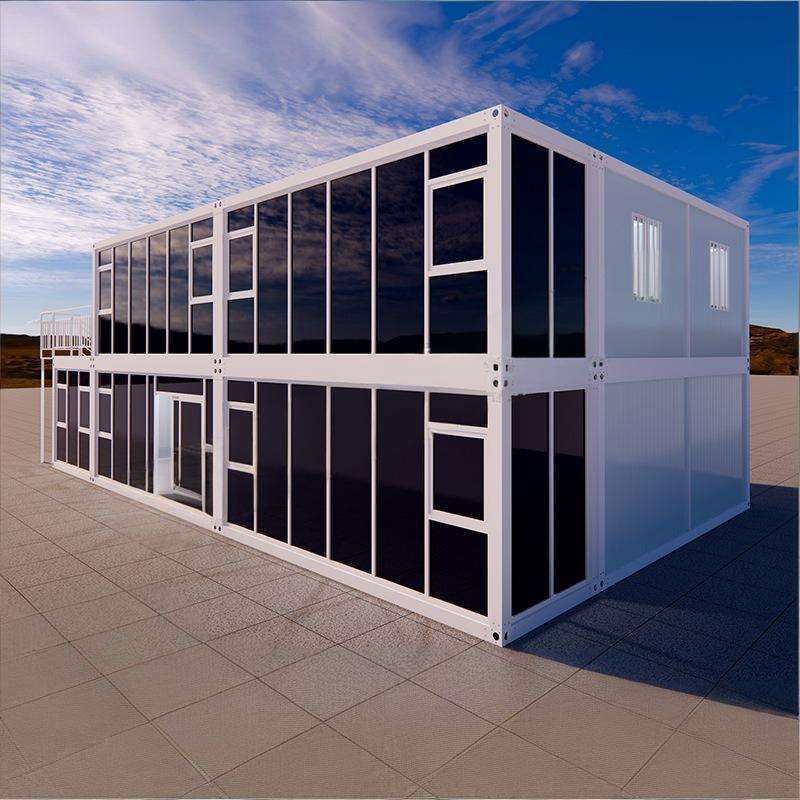
Simple prefabricated housing is an efficient building form centered around modular construction, with factory-prefabricated components assembled on-site. It features short construction periods, diverse material options, and strict technical standards, though early products had deficiencies in earthquake resistance and sound insulation. Currently, it is meeting market demands through technological upgrades and modifications.
Construction Mode and Efficiency Advantages
Simple prefabricated housing adopts modular construction, breaking down buildings into independent modules (such as walls, floors, and stairs) prefabricated in factories and then transported to the site for assembly. For example, self-built houses in rural South Korea use 5-ton prefabricated foundation piles, mortise-and-tenon structural beam connections, and hoisted stairs to complete the main structure in just 14 days. A public housing project in Shenzhen, Guangdong, utilized 6,028 concrete modules to reduce the completion period from 2.5-3 years to just 1 year. This mode achieves parallel operations through automated production lines and smart warehouses, reducing construction time by over 60% compared to traditional methods, while ensuring structural stability with millimeter-level precision in steel bar positioning.
Material Selection and Technical Routes
Prefabricated components are made from steel, concrete, or wood modules. Chinese companies excel in steel and concrete technical routes: steel structures are lightweight and suitable for overseas transportation, commonly used in export projects; concrete modules offer a more traditional living experience, suitable for domestic public housing. Prices vary widely based on configuration, with wholesale prices for light steel villa portable houses ranging from 81 to 2,700 yuan per square meter, while high-end products like space capsule camping villas can cost up to 1,499 yuan each.
Market Demand and Modification Directions
International demand is strong, with export volumes of portable houses from Guangzhou and Shenzhen ports increasing by 38.1% and 19.6%, respectively, in the first four months of 2026. However, early prefabricated houses had issues with weak earthquake resistance and poor sound insulation. Since 2022, China has focused on demolishing and renovating buildings that meet dangerous housing standards, promoting technological upgrades. For example, performance is enhanced by optimizing module connection methods and adding sound insulation materials, while retaining core advantages like short construction periods and cost control.
Technical Standards and Industry Trends
Modular construction requires strict quality control, including precision in steel bar positioning and component size deviations, achieved through automated equipment for standardized production. With the development of intelligent construction technologies, prefabricated housing is transitioning toward green and low-carbon directions, such as using recyclable materials and integrating photovoltaic systems, to meet future demands in the construction industry.



