Simple Container Tiny House
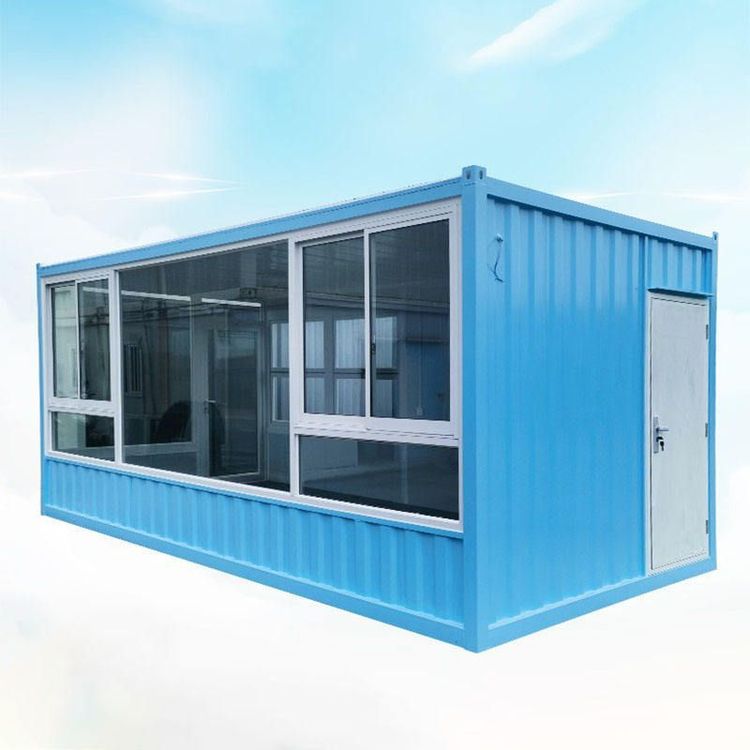
A simple container tiny house is a portable, low-cost, and reusable temporary or permanent building form that is designed and transformed based on containers as the basic modules. The following is an introduction from the aspects of structural characteristics, application scenarios, performance advantages, and transformation points:
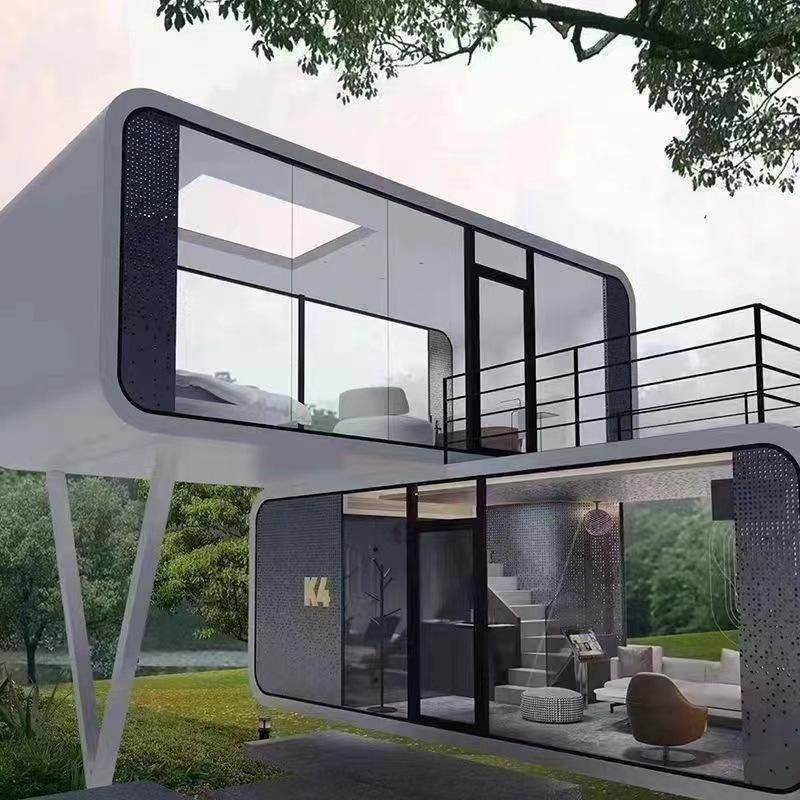
Structural Characteristics and Basic Types
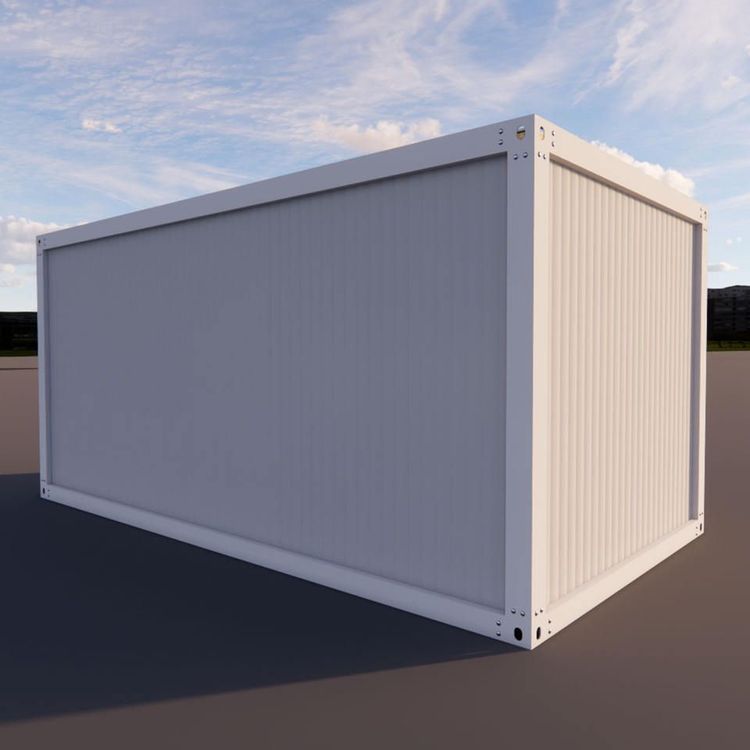
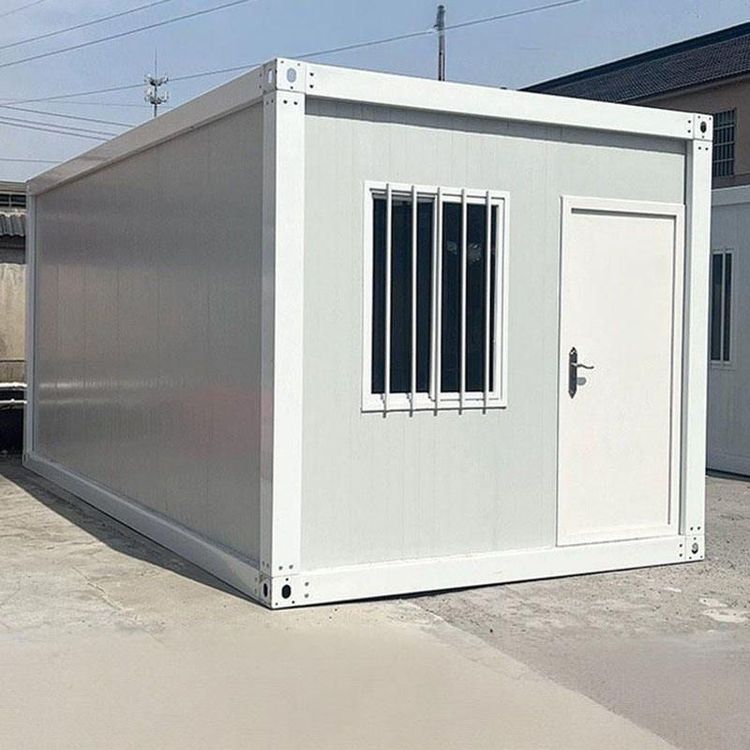
Simple container tiny houses take standard containers as prototypes and achieve functional expansion through folding, splicing, or modular transformation. Folding containers are a typical representative. After folding, their volume is only 1/5 to 1/4 of the expanded state. A single truck can transport 15 - 20 sets, significantly reducing transportation costs. Packing-box units adopt a full-steel structural frame, with excellent wind and earthquake resistance, suitable for long-term on-site presence. Quick-assembly container houses support flexible on-site splicing through modular disassembly design, balancing practicality and cost-effectiveness.
Core Application Scenarios
- Emergency Support: In scenarios such as natural disaster relief and temporary medical stations, the rapid deployment capability of folding containers is crucial. For example, in an emergency project transported from Suzhou to Wuhu, Anhui, the transportation cost per set can be as low as 150 yuan, and an 100㎡ warehouse can store 80 sets of folding containers, meeting the needs of bulk reserves.
- Short-term Turnover: Construction projects, commercial pop-up events, etc., require the rapid construction of temporary spaces. The hydraulic automatic expansion structure containers from manufacturers such as Suzhou Zhongnan can be assembled within 5 minutes, greatly improving project start-up efficiency.
- Long-term Residence: Through interior decoration and functional transformation, containers can be converted into permanent residences. For example, in foreign cases, a 15㎡ container achieves low-cost livable life through customized foldable beds, solar panels, and fire-resistant materials; in rural areas of China, there are also practices of using containers to build houses with thermal insulation layers.
Performance Advantages
- Economy: The operation and maintenance costs of compliant manufacturers' products throughout their entire life cycle are only 35% of those of non-standard products, and they support disassembly and reuse more than 8 times, reducing construction waste emissions by 90%.
- Environmental Protection: They adopt steel frames and flame-retardant rock wool sandwich panels, integrating thermal insulation, fire prevention, and sound insulation functions, and comply with green construction standards.
- Compliance: Mainstream products have passed ISO9001 quality certification, fire prevention testing, and steel structure qualification verification, ensuring structural safety and durability.
Transformation Points
- Space Optimization: Improve the utilization rate of small spaces through foldable furniture, built-in storage, and open layouts.
- Functional Expansion: Add solar panels, rainwater collection systems, and off-grid power supply equipment to adapt to environments without infrastructure.
- Structural Reinforcement: Conduct weld inspection and anti-corrosion treatment on second-hand containers to ensure stability after multiple disassemblies and assemblies.