
Mobile Flushing for Shopping Mall Toilets
Mobile flushing for shopping mall toilets typically falls under the category of water-flushing mobile toilets, equipped with flushing functionality. They consist of toilet fixtures, water tanks, flushing devices, and sewage systems, which work together to flush waste into designated containers or piping systems through water flow.
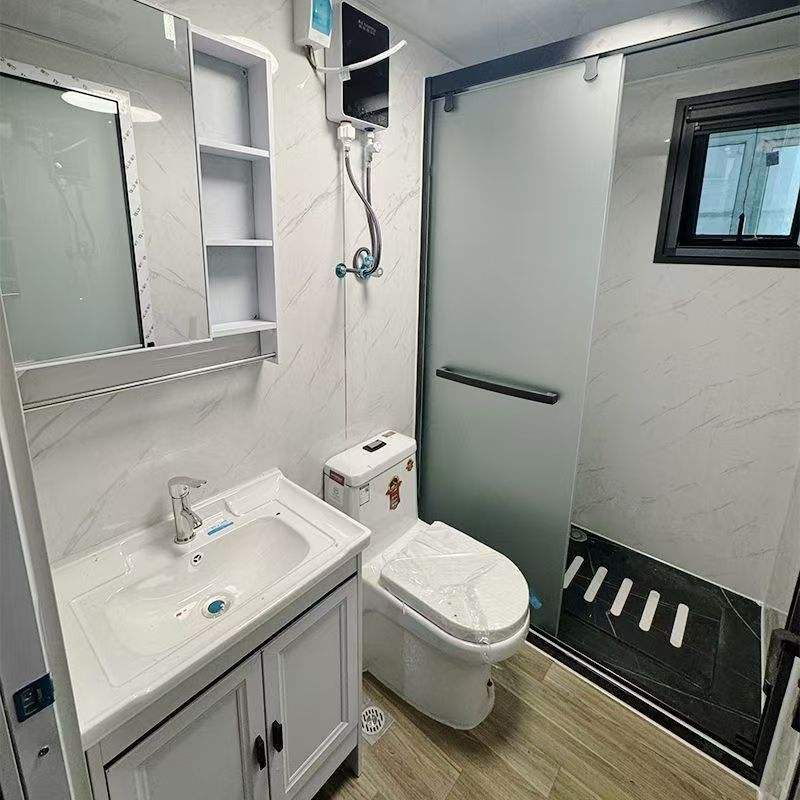
Flushing Methods
- High-Pressure Air-Water Flush: This method utilizes a mixture of high-pressure water and air to flush the inner walls of the toilet bowl. It offers strong flushing pressure and wide coverage, requiring only one-fifth of the water volume used in conventional flushing. The flushing control is achieved through the collaboration of infrared sensors and an intelligent computer system, which accurately detect usage status and automatically trigger flushing, ensuring thorough cleaning after each use and preventing residual odors.
- Foam Flushing: An automatic foam generator in the equipment room produces snow-white foam that covers the surface of the toilet bowl. This process replaces conventional flushing with foam generated from a mixed solution. The foam layer effectively blocks odor emission while reducing water consumption. The lubricating effect of the foam also reduces waste adhesion, making cleaning more efficient and suitable for scenarios with high hygiene and water-saving requirements.
Waste Treatment Methods
- Microbial Treatment: Excreta are separated using a solid-liquid separation device. Feces are decomposed by microbial flora with a degradation rate of up to 99%. Urine is filtered and enters the treatment system, eventually forming reclaimed water that is used to flush the urinals again, achieving water resource recycling. This method is highly environmentally friendly and suitable for long-term use in mobile toilets.
- Recirculating Water Flush Type: This method employs intermittent aerobic and anaerobic treatment technologies combined with biofilms to accelerate the fermentation and decomposition of fecal sewage. The treated sewage is recirculated for flushing, significantly saving water resources and reducing the frequency of sewage suction, thereby lowering maintenance costs.
- Water-Flush and Waterless Suction Types: Water-flush toilets are equipped with water tanks, with sewage tanks located at the bottom. Waterless toilets lack flushing devices and directly collect excreta into sewage tanks. Both types have relatively small sewage tank capacities and require regular suction and cleaning, making them suitable for scenarios with low foot traffic or temporary use.
Structural Types
Water-flushing mobile toilets can be classified into several types based on their structure and functionality, including single-unit types (independent units for flexible deployment), multi-toilet combination types (integrating multiple toilet units to meet high foot traffic demands), trailer-mounted types (movable and towable for easy transportation), and self-powered types (equipped with power systems, eliminating the need for external power sources). The choice can be made based on the spatial layout of the shopping mall, foot traffic, and usage requirements.



