
Shizhu Finished Mobile Toilet
The Shizhu finished mobile toilet is a modularly integrated system consisting of a physical space container, a waste treatment hub, and an environmental control unit, featuring mobility and suitability for various scenarios.
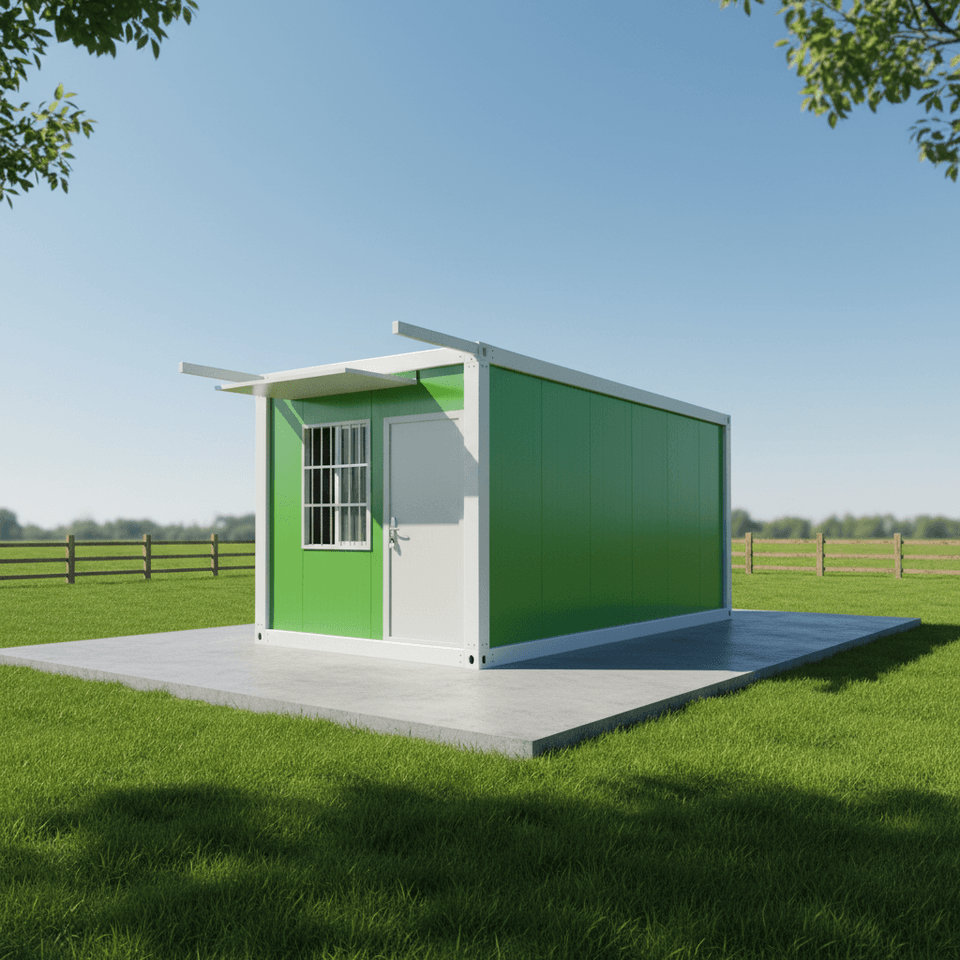
Physical Space Container: Modular Design of Structure and Panels
The physical space container serves as the foundational framework of the mobile toilet, composed of a structural framework and maintenance panels. The structural framework typically employs light steel keels or galvanized square tubes; the former is lightweight and high-strength, suitable for rapid assembly, while the latter offers strong corrosion resistance, ideal for humid environments. The choice of maintenance panels directly impacts the product's durability and environmental adaptability, with common materials including metal carved panels, aluminum-plastic panels, and color-coated steel sheets. The density and fire rating of the panel's core materials (such as polyurethane, rock wool, or glass wool) determine the overall thermal insulation performance and safety characteristics. For instance, rock wool sandwich panels achieve an A-grade fire rating, suitable for high-safety-requirement venues; polyurethane sandwich panels excel in thermal insulation, ideal for low-temperature environments.
Waste Treatment Hub: Technological Core and Application Scenarios
Waste treatment is the core function of the mobile toilet, with its technological selection determining the product's application scenarios and maintenance modes. The flushing type relies on external water supply and drainage systems, suitable for areas with well-developed infrastructure, but requires regular septic tank cleaning. The waterless flushing technology achieves solid-liquid separation and deodorization through physical or chemical means, such as vacuum suction or adding deodorizers, suitable for water-scarce regions. The microbial degradation technology utilizes specific bacterial strains to decompose organic matter, converting excreta into harmless substances, with a long maintenance cycle and environmental friendliness. The foam sealing technology covers the toilet surface with a special foaming agent, isolating odors and reducing flushing water usage, suitable for high-frequency usage scenarios.
Environmental Control Unit: Functional Assurance of Auxiliary Systems
The environmental control unit encompasses ventilation, lighting, water supply and drainage systems, ensuring internal environmental quality. The ventilation system typically employs natural ventilation or mechanical exhaust to prevent odor accumulation. The lighting system mostly uses LED lights, which are energy-efficient and have a long lifespan. The water supply and drainage system is configured according to the treatment technology, such as microbial degradation toilets requiring bacterial inoculation devices, and foam sealing toilets needing foaming agent storage. The modular design of these systems facilitates later maintenance and upgrades.
Mobility: Flexibility in Transportation and Installation
The 'mobile' characteristic of the mobile toilet requires its design to comply with road transportation regulations. Most products adopt on-site assembly or integral hoisting methods: the former involves transporting modular components to the site for assembly, suitable for large-scale projects; the latter uses whole-vehicle transportation for direct hoisting into place, suitable for emergency needs or temporary venues. Additionally, lightweight materials (such as aluminum alloy frames) and foldable structures further enhance transportation efficiency.



