
Shifang Mobile Toilet Installation
The installation of mobile toilets in Shifang requires selecting the appropriate process based on the toilet type. Common types include split-type, integrated, steel-structure, and waterless mobile toilets. Installation must follow regulations and ensure safety and hygiene standards are met.
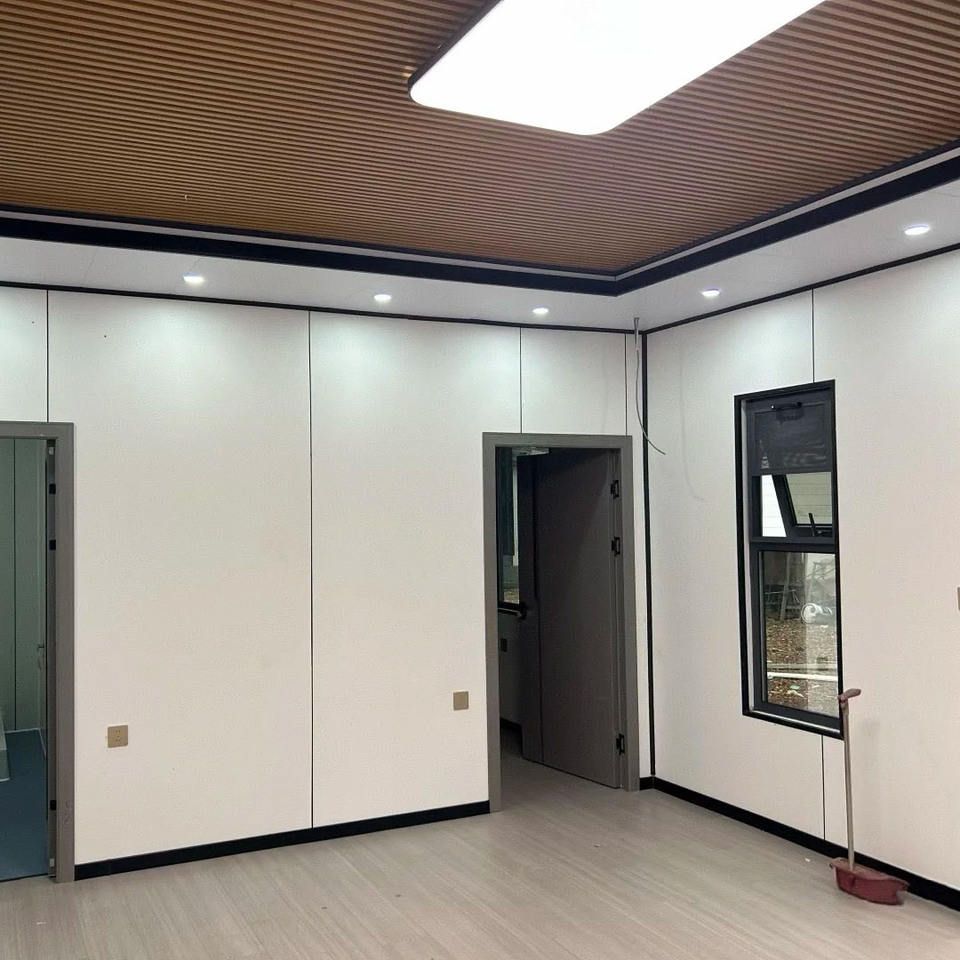
Split-Type Mobile Toilet Installation Process
The installation of split-type mobile toilets involves several steps:
- Chassis and Frame Positioning: Place the prefabricated chassis on a flat surface, adjust the levelness, and secure the frame structure to ensure stability.
- Wall and Roof Panel Installation: Install the prefabricated wall panels (usually sandwich panels or metal sheets) in sequence, connect the roof panel, and seal the gaps to prevent rainwater leakage.
- Internal Facility Connection: Install fixtures such as toilets, sinks, and ventilation systems, and connect water and electricity pipes (for water-flush types) or biological degradation treatment units (for waterless types).
- Function Testing: Test flushing, lighting, ventilation, and other functions to ensure proper operation, and clean up any residual materials at the site.
Integrated Mobile Toilet Installation Process
The installation of integrated mobile toilets (such as container-type toilets) is simpler:
- Lifting and Positioning: Use lifting equipment to hoist the prefabricated container to the designated location, adjust the levelness, and secure it.
- Connecting Water, Electricity, and Sewage Pipes: Connect to municipal water supply, drainage systems, and power sources. Some models require the installation of septic tanks or sewage collection units.
- Testing and Acceptance: Check for tightness, equipment operation status, and hygiene indicators. The overall installation time can be reduced to 2-4 hours.
Key Points for Steel-Structure Mobile Toilet Installation
Steel-structure mobile toilets adopt a modular design, and installation requires attention to the following:
- Main Frame: Made of high-strength steel, ensure welding or bolt connections are secure.
- Walls and Roof: Use sandwich panels or metal embossed panels, paying attention to thermal insulation and waterproofing during installation.
- Bottom Support: Equip with adjustable feet or rollers to adapt to uneven ground. After installation, re-calibrate the levelness.
- Professional Team: Efficient construction can shorten the project duration while avoiding component damage.
Special Requirements for Waterless Mobile Toilet Installation
Waterless mobile toilets rely on biological degradation or incineration technology, and installation requires:
- Connecting Temperature Control Systems: Maintain the activity of biological degradation bacteria (if applicable).
- Exhaust Pipes: Ensure the discharge of odors. Some models require the installation of activated carbon filters.
- Control Panels: Debug automated operation programs. For models integrated with solar power modules, test the power generation efficiency.
Installation Regulations and Customized Services
Actual installation should refer to the Mobile Toilet Hygiene Regulations (GB/T 21239-2023) to ensure structural safety and hygiene compliance. For customized services, contact professional companies (such as Sichuan Yunshihong Intelligent Technology Co., Ltd.), which provide integrated design, production, and installation solutions covering urban prefabricated toilets, scenic area mobile toilets, and other scenarios.



