
Shenzhen Restroom Mobile Toilets
Shenzhen restroom mobile toilets mainly include types such as Smart Stations, Smart Restrooms, and Tidal Public Toilets, featuring intelligence, humanization, and flexible deployment.
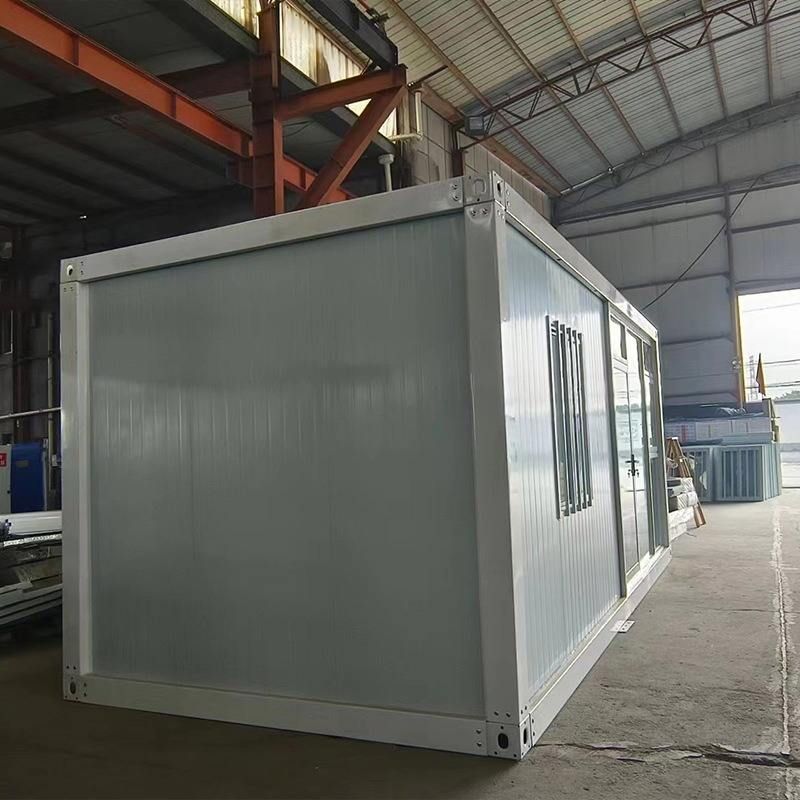
Smart Stations: These adopt an integrated smart restroom design with a unified structure and modular characteristics. The equipment is fully assembled and can be rapidly deployed in various settings, including scenic spots, municipal public toilets, roads, parks, and temporary restroom scenarios, simplifying the construction process and reducing the time to start operation. The entire unit supports relocation or removal, flexibly adapting to the needs of different areas. Intelligent management is achieved through a 5G IoT smart system, which enables real-time monitoring of restroom stall usage, environmental hygiene indicators (such as temperature, humidity, and odor concentration), and equipment operation status, optimizing maintenance efficiency through a cloud platform. Green and eco-friendly design is reflected in the application of water-saving and energy-saving technologies and recyclable materials, while convenience services include barrier-free facilities and baby care stations for humanized configurations.
Smart Restrooms: These feature a minimalist wooden exterior style and offer contactless entry via mobile phone scanning, with an automatic voice reminder for users to leave after 20 minutes. The interior space is compact yet fully functional, equipped with barrier-free toilet facilities, sensor-activated faucets and soap dispensers, toilets with automatic seat cover replacement, automatic flushing systems, automatic replacement devices for disposable toilet seats, sensor-activated trash bins, and air fresheners. Additionally, integrated details such as speakers and dual USB charging ports meet the diverse needs of users during their restroom visits, with particular attention to the convenience of mothers with infants and individuals with disabilities.
Tidal Public Toilets: As an innovative achievement of Shenzhen's "Toilet Revolution," these toilets enable dynamic adjustment of male and female restroom stalls through movable physical partitions. For example, during peak usage periods by women, the partitions can be adjusted to increase the number of female stalls, effectively alleviating queuing issues. Six tidal public toilets have been built in Nanshan District, all equipped with smart restroom guidance systems (such as electronic screens displaying stall availability) and staffed by dedicated administrators. Some toilets have further upgraded their negative pressure ventilation systems to improve air circulation and added third restrooms to provide independent spaces for families and individuals with disabilities, reflecting an inclusive design philosophy for public service facilities.



