
Shenzhen Prefabricated Assembled House
Shenzhen's prefabricated assembled houses have developed rapidly, achieving remarkable results in terms of scale, construction speed, practical experience, and policy response.
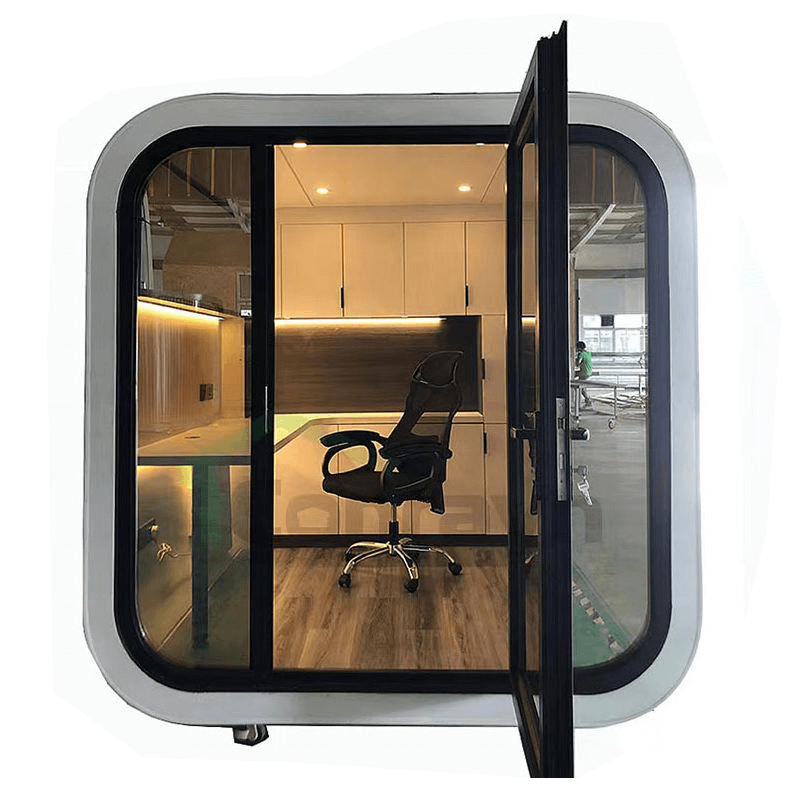
Scale and Proportion
The scale of prefabricated buildings in Shenzhen has exceeded 150 million square meters, demonstrating the widespread popularity of this field in the city. According to the plan, by 2026, the proportion of prefabricated buildings in newly started projects will reach as high as 64.03%. This data indicates that Shenzhen is actively promoting the transformation of the construction industry towards industrialization and standardization, and prefabricated assembled houses will become the mainstream form of future new construction projects.
Construction Speed and Efficiency
Modular buildings (i.e., "prefabricated houses") are rapidly being implemented in Shenzhen. Taking the Anju Jingxinyuan project as an example, it took only 148 days from the hoisting of the first module to the completion of the 30-story high-rise building with fine decoration, demonstrating extremely high construction efficiency. Its core advantages lie in: Factory prefabricated production - walls, floors, utilities, and decoration are all completed in the workshop, reducing on-site work volume; Rapid on-site assembly - modules are positioned by cranes in just 20 minutes, and workers only need to tighten screws and connect pipelines, with an average of two days to complete the assembly of one floor. This model significantly shortens the construction period, reduces labor costs, and minimizes the impact of construction on the environment.
Practical Experience and Industry Exchange
Shenzhen has accumulated rich practical experience in the field of prefabricated construction. For example, the Experience Exchange Conference on Improving the Quality of Prefabricated Construction Projects was successfully held in Shenzhen, where industry expert Chen Jiebiao shared Shenzhen's practical experience under the engineering general contracting model, providing replicable cases for the industry. In addition, Shenzhen enterprises have further improved the quality and efficiency of prefabricated buildings through technological innovation (such as modular design and intelligent production) and management optimization (such as full-process collaboration and standardized management).
Policy Support and Future Direction
The Ministry of Housing and Urban-Rural Development plans to promote prefabricated decoration, and the draft for comments clearly supports the comprehensive adoption of prefabricated decoration methods for government-invested affordable rental housing and talent apartments. As a pioneer region, Shenzhen is expected to actively respond to the policy and promote the development of prefabricated assembled houses to a higher standard. In the future, Shenzhen may further expand the application scope of prefabricated buildings, improve the technical standard system, and strengthen industrial chain collaboration to consolidate its leading position in the national prefabricated construction field.



