
Shenmu Mobile Toilet Removal
The removal of mobile toilets in Shenmu can refer to the general disassembly process of mobile toilets, as detailed below:
I. Preliminary Preparations and Safety Measures
Before disassembly, ensure the safety of the on-site environment by turning off the main power supply and water valves to eliminate the risks of electric shock or water leakage. If the mobile toilet is connected to municipal utilities or sewage systems, coordinate with relevant departments in advance to handle the suspension procedures and prepare professional tools (such as wrenches, screwdrivers, sealants) and protective equipment (such as gloves and safety helmets).
II. Disconnect Water, Electricity, and Sewage Connections
- Removal of Water and Electricity Lines: First, turn off the main power supply, remove external electrical wires, and mark their routes to avoid confusion during subsequent reinstallation. After turning off the water valves, dismantle the inlet and outlet pipes, and seal the connections with specialized tape or plugs to prevent impurities from entering the pipes.
- Handling of Sewage Pipes: If the mobile toilet is connected to a septic tank or municipal sewage pipe, empty the internal waste before removing the sewage pipe. After removal, clean the pipe opening and temporarily seal it with plastic sheeting or wooden boards to prevent odor diffusion or foreign object entry.
III. Removal of Internal Facilities and Accessories
If internal facilities (such as partitions, toilets, and sinks) need to be retained, dismantle them by material type:
- Removable Partitions: Use a screwdriver to remove the fixing screws, gently lift the partition panels to avoid deformation, and stack the metal frames and panels separately.
- Sanitary Fixtures: After turning off the water valves, remove toilets, sinks, etc., taking care to protect the ceramic surfaces. Wrap them in soft cloth and store them separately.
- Small Accessories: Collect items such as door locks, hooks, and lighting fixtures uniformly and label their uses to prevent loss.
IV. Disassembly of the Main Structure
Modular mobile toilets are typically disassembled in the order of "roof panel-wall panel-chassis":
- Roof Panel Removal: Use a crane or manual lifting to slowly remove the roof panel, avoiding collisions with the edges of the wall panels.
- Wall Panel Disassembly: Remove the wall panels one by one, taking care to protect the seals or hinges at the connections. If they need to be reused, store them separately.
- Chassis Handling: Finally, remove the chassis. If the chassis is fixed to the ground (e.g., with expansion bolts), use an angle grinder to cut the bolts and clean up the residues.
V. Transportation and Storage of Components
Stack the disassembled components by material type (metal, plastic, panel) and secure them with ropes or straps to prevent scattering during transportation. For short-term storage, choose a dry and ventilated site to prevent panel deformation due to moisture. For long-term storage, cover with waterproof cloth and regularly inspect the condition of the components.
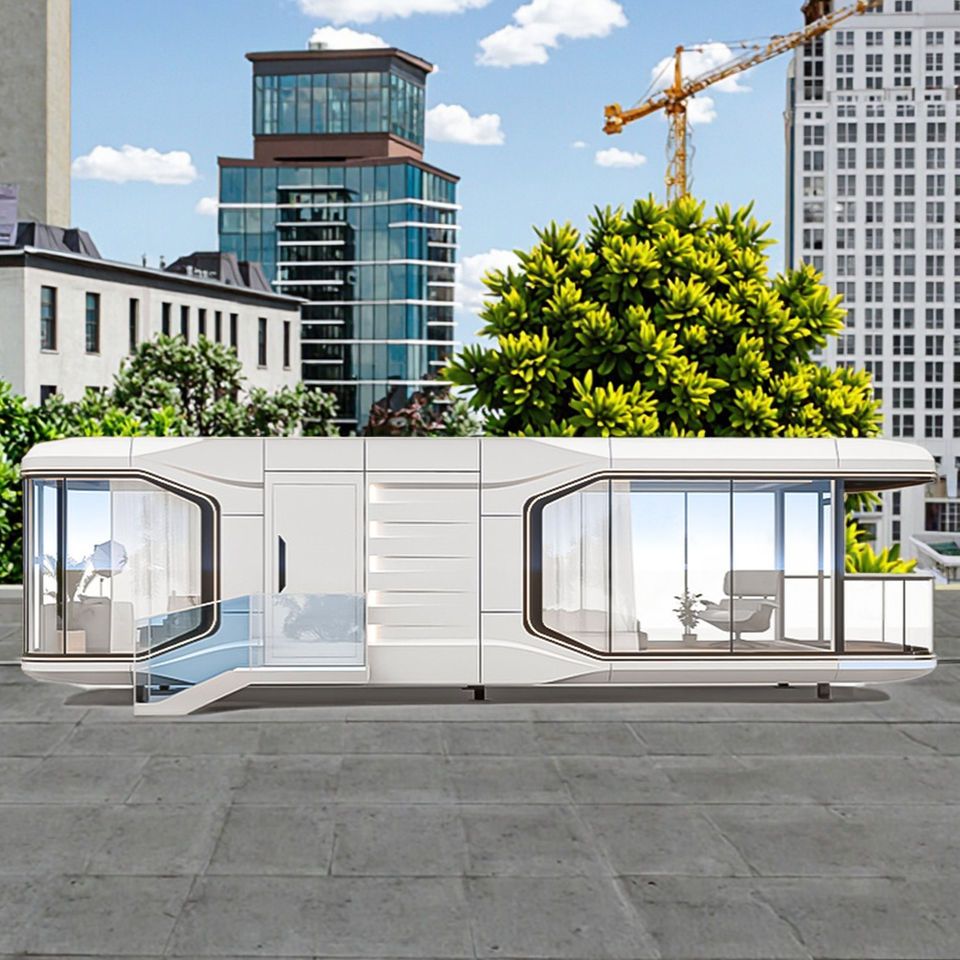
Note: Integrated box-type mobile toilets have a high degree of structural integration, making the disassembly process simpler. Typically, they only need to be disconnected from water and electricity and then lifted and transported as a whole. However, it is necessary to confirm that the equipment weight complies with the load capacity of the transportation vehicle.



