
Shekou Composite Structure Mobile Toilet
The specific information about the 'Shekou Composite Structure Mobile Toilet' is not clear, but we can introduce the general characteristics of composite structure mobile toilets.
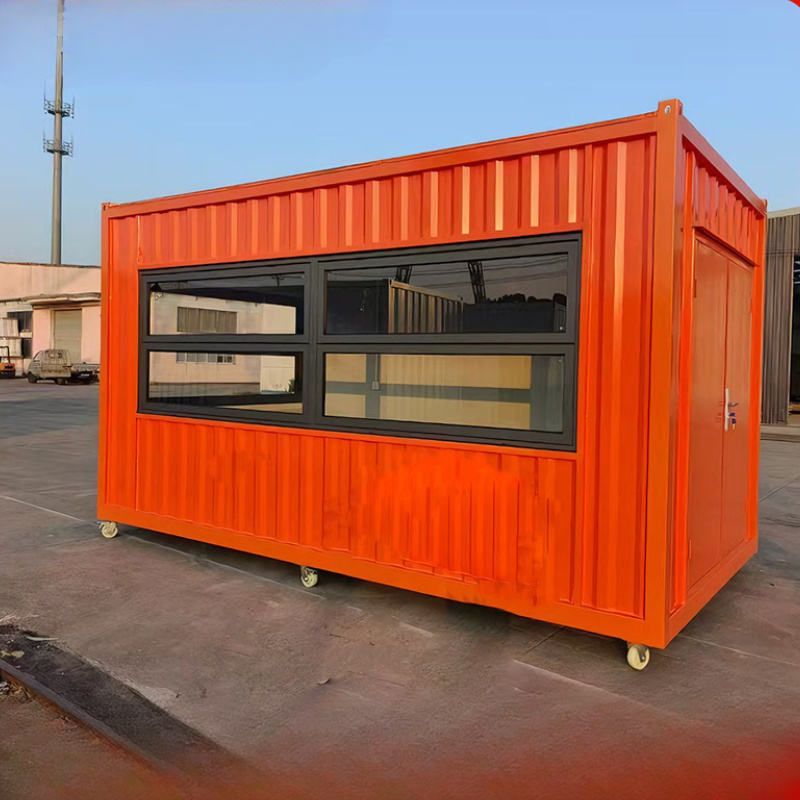
Composite structure mobile toilets, as the name suggests, are types of mobile toilets that combine multiple materials or structures. Although the unique features of the 'Shekou Composite Structure Mobile Toilet' are not precisely known, we can provide a general introduction based on the common characteristics of composite structure mobile toilets.
Structural Features: Composite structure mobile toilets typically integrate the advantages of different materials. For example, they may use a metal frame to ensure structural stability while employing lightweight panels for the walls, reducing the overall weight and facilitating transportation and installation. This combination allows the toilet to have sufficient strength while meeting the need for mobility.
Mobility: This is a significant advantage of composite structure mobile toilets. Designed for easy movement between different locations, they are usually equipped with wheels or detachable support structures, making relocation and reinstallation relatively simple. This feature makes them highly suitable for scenarios requiring rapid deployment of sanitation facilities, such as temporary events, construction sites, and disaster relief sites.
Combinability: In addition to mobility, composite structure mobile toilets also offer combinability. This means that multiple individual toilets can be combined as needed to form larger sanitation clusters, meeting the usage demands of more people. This flexibility gives composite structure mobile toilets a significant advantage in handling large-scale events or emergencies.
Suitable Locations: Composite structure mobile toilets are suitable for a wide range of locations, including public places such as stations, docks, tourist attractions, parks, and squares, as well as temporary sanitation needs at construction sites and event venues. Their convenience and flexibility make them an indispensable part of modern urban management and emergency response.



