
Shared Electric Vehicle Mobile Toilet
The term 'shared electric vehicle mobile toilet' is not a standardized concept and may refer to two implementation forms: shared cars improperly modified into 'mobile toilets' or vehicle-mounted toilet solutions based on electric vehicle technology.
1. Shared Cars Improperly Used as 'Mobile Toilets'
As a model of the sharing economy, shared cars (including new energy electric vehicles) have seen extreme cases due to differences in user quality: some users have temporarily used the interior space of vehicles (such as trunks and compartments) as places for excretion. Although such behaviors are isolated, they expose regulatory loopholes in the operation of shared cars:
- Insufficient user identity verification: Early shared car platforms had weak constraints on user behavior, making it difficult to trace violators;
- High costs for vehicle interior environment maintenance: The costs of cleaning, disinfection, and vehicle maintenance and repair have increased significantly, affecting operational efficiency;
- Negative social impact: Such incidents have raised public doubts about the trustworthiness of the sharing economy and accelerated the process of industry regulation.
2. Electric Vehicle Technology Solutions for Vehicle-Mounted Toilets
If 'shared electric vehicle mobile toilet' refers to mobile sanitation facilities at the technological level, it involves two product forms:
- Self-propelled electric vehicle toilets: These use electric buses or trucks as chassis and integrate toilet modules (such as vacuum self-priming and water-flushing direct-discharge systems). They can autonomously travel to locations where they are needed. The core issue to be addressed is the matching of battery endurance and sewage discharge systems, for example, using high-energy-density batteries to extend operating time or reducing water consumption through vacuum technology to lower the frequency of sewage discharge.
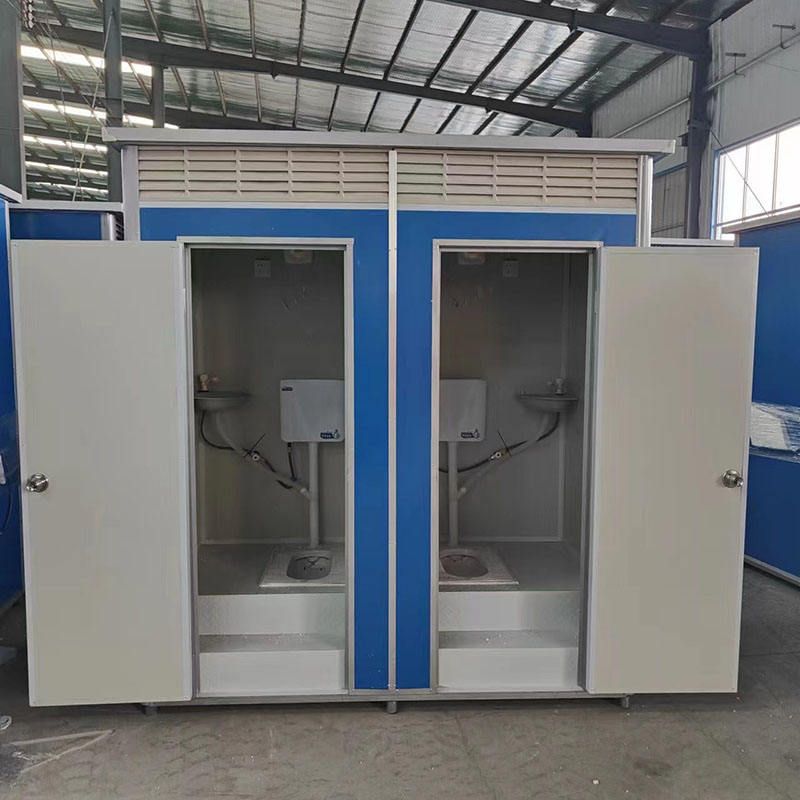
- Trailer-mounted electric vehicle toilets: These have no power modules and need to be towed by a tractor. They have high internal space utilization and flexible configurations (such as foam sealing and vacuum adsorption flushing methods). These products are suitable for fixed scenarios such as scenic spots and construction sites and can achieve rapid deployment and maintenance through modular design.
Industry Background Supplement
The shared car industry has gradually declined since 2019 due to its heavy asset attributes (vehicle purchases, dependence on charging piles, and scarcity of parking spaces) and profitability difficulties. In contrast, mobile toilet rental services have demonstrated value in emergency response and resource optimization through modular design, data-driven maintenance (such as using sensors to monitor usage frequency), and dynamic scheduling (such as adjusting locations based on pedestrian density). However, these two fields belong to different tracks and have not formed a direct connection. Currently, the concept of 'shared electric vehicle mobile toilet' is more of a conceptual discussion and has not yet formed a mature business model.



