
Shanwei Mobile Toilet Design
The design of mobile toilets in Shanwei requires a comprehensive consideration of factors such as the location of use, the number of users, and the duration of use to determine the appropriate size.
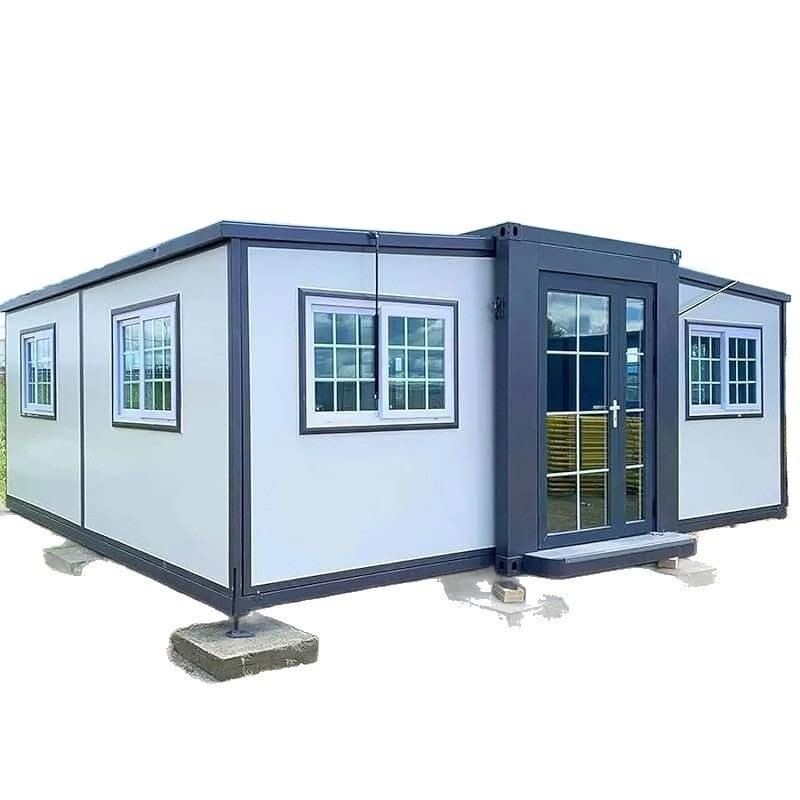
Location of Use Influences Size Design
Mobile toilets in Shanwei are used in a variety of locations, including parks, squares, scenic spots, and construction sites. The differences in pedestrian traffic, frequency of use, and topography at these locations significantly impact the size of the public toilets. Locations with high pedestrian traffic, such as large scenic spots or bustling squares, require an increase in the number and size of public toilets to meet the needs of more users and avoid long queues. Locations with complex terrain, such as mountainous or sloped areas, necessitate customized designs based on the terrain to ensure the stability and safety of the public toilets, which may involve adjusting the foundation structure or using special materials.
Number of Users Determines Toilet Scale
The number of users is a key factor in customizing the size of mobile toilets. For small construction sites or temporary events with a low number of users, single or double standard restrooms can be selected. A single restroom should be at least 80 cm wide, 1 m deep, and 2 m high; a double restroom should be at least 1.2 m wide, 1.5 m deep, and 2.2 m high. For large events or scenic spots, more toilet stalls are needed, and a modular design may be adopted to flexibly combine the number of stalls. At the same time, the gender ratio should be considered to reasonably allocate the proportion of male and female toilet stalls and avoid long queues for women. The needs of special groups should not be overlooked. For example, restrooms for the disabled should be at least 1.2 m wide, 2 m deep, and 2.2 m high, and equipped with barrier-free access, handrails, and other auxiliary facilities; space should also be reserved for baby changing tables.
Duration of Use Influences Design Details
The duration of use is also an important consideration. For toilets used for a long time, such as those in scenic spots or construction sites, they need to be more spacious, comfortable, and durable, possibly increasing the internal space, optimizing ventilation and lighting, and selecting durable materials. For toilets used for a short time, such as those at temporary events, the size can be appropriately reduced to save space and cost, but the basic functions must be complete. Under special weather conditions, such as strengthening drainage design during the rainy season to avoid water accumulation; optimizing ventilation during the hot season to reduce odors, possibly by adding exhaust fans or vents.



