
Volver al blog
Artículo
Shanghai Shipping Container House
Admin 15 de septiembre de 2026
Shanghai shipping container houses mainly refer to various functional buildings transformed from containers, covering residential, office, commercial, and temporary housing types, characterized by modularity, mobility, and low-carbon environmental protection.
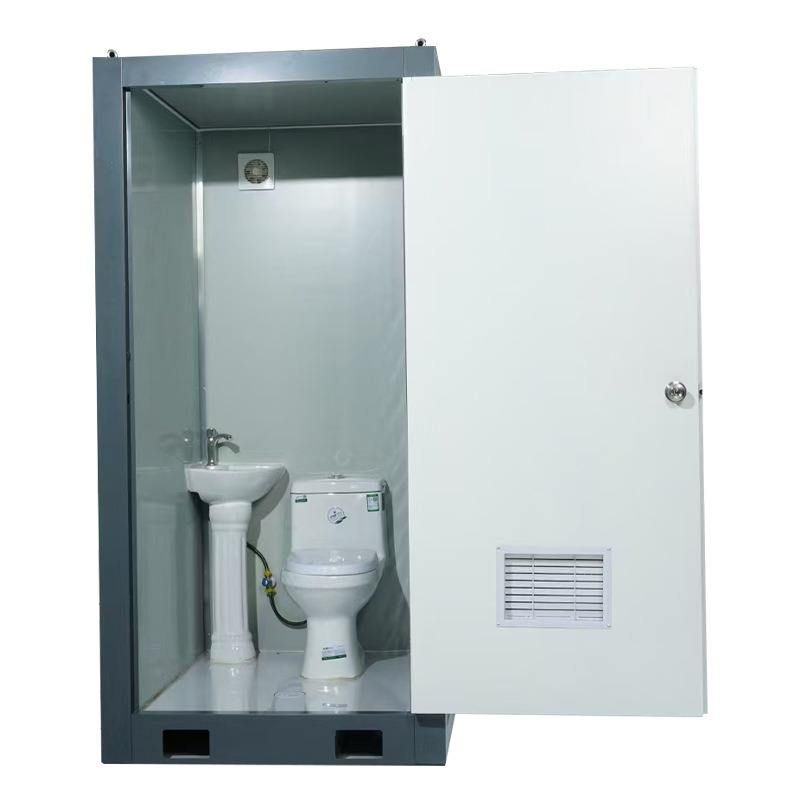
1. Product Types and Applications
Shipping container houses in the Shanghai market are centered around modular design, enabling flexible layouts through splicing and combination. The main types include:
- Temporary Housing: Such as construction site dormitories, office buildings, and isolation rooms, utilizing screw splicing or quick-assembly structures. Delivery and installation can be completed within 48-72 hours, with monthly sales reaching up to 13 units (e.g., Shanghai Tongjiuzhou Container Co., Ltd.'s storage room and electrical cabinet houses priced at 6,500 yuan each).
- Creative Buildings: Including supporting facilities for popular camping sites, scenic area reception houses, and pastoral-style homestays, enhancing aesthetics through designs like tempered glass and sunrooms, with price ranges from 239.4 to 295.83 yuan per square meter (e.g., Ganzhiju Integrated Housing's camping site houses).
- High-End Customization: Such as space capsule containers and Apple Pod mobile stalls, integrating technologies like tempered glass and smart systems, with prices reaching up to 160,000 yuan each (e.g., Shanghai Tongjiuzhou's customized space capsules).
2. Technical Standards and Materials
- Container Specifications: International standard 20-foot containers have a load capacity of 25 tons, while 40-foot containers have a load capacity of 45 tons. The side panels are 1.6mm thick (standard for shipping containers), and the roof panels are 2.0mm thick, with customizable thicknesses ranging from 0.8 to 2.0mm available upon request.
- Transformation Technology: Through adaptive combination designs of containers, the spatial limitations of single containers are overcome, enabling the realization of large-scale buildings ranging from single-story residences to multi-container combinations of hundreds of units. For example, the two-story container residence designed by American architect Peter DeMaria has passed national certification standards.
- Environmental Performance: Recyclable steel is used, with a construction waste utilization rate of 70% (e.g., the Shanghai Luojing Port Area renovation project). Some products integrate technologies like photovoltaic power generation and smart charging and battery swapping, achieving near-zero carbon emissions.
3. Industrial Ecosystem and Market
Shanghai has formed a complete industrial chain covering upstream, midstream, and downstream sectors:
- Upstream: Baosteel Co., Ltd. and China International Marine Containers (Group) Ltd. jointly develop domestically produced weathering steel, while Megacolor leads the container coating market.
- Midstream: COSCO Shipping Development focuses on the manufacture of special containers, while Shanghai's shipbuilding industry achieves breakthroughs in ultra-large green-powered container ship technology.
- Downstream: Companies like Ganzhiju and Tongjiuzhou offer a full range of products, from prefabricated office buildings priced at 450 yuan per square meter to customized space capsules priced at 160,000 yuan each, meeting the needs of various scenarios such as construction sites, scenic areas, and commercial spaces.
Relacionados



