
Shanghai Planning Container Houses
Shanghai's planning for container houses requires compliance with standards, emphasis on service guarantees, and avoidance of illegal modifications.
Compliance Standards and Quality Requirements
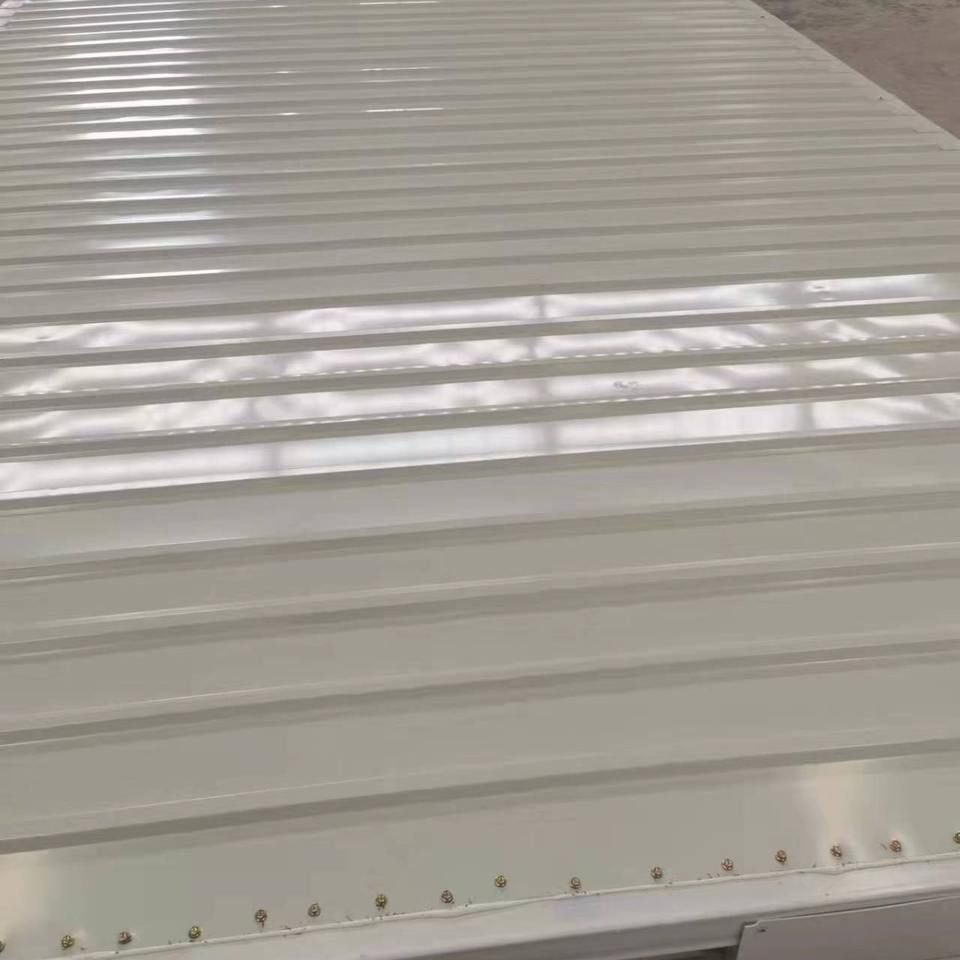
According to the T/CECS 1932-2025 'Quality Acceptance Standards for Container Houses' issued by the China Association for Engineering Construction Standardization, starting from October 1, 2025, Shanghai will incorporate 12 indicators, including structural load-bearing capacity, fire resistance, and waterproofing lifespan, into mandatory assessment items for temporary building procurement. Standard container houses must adopt a unified modular design, be fully prefabricated in factories, and have highly versatile components that can be quickly assembled and combined, making them suitable for scenarios such as temporary construction site buildings, temporary offices, and emergency shelters. For example, in warehousing land projects like the Waigaoqiao Inland Container Port Area, container houses need to meet the dual requirements of warehousing functions and temporary living, with their structural strength requiring verification through professional calculations.
Importance of Service Guarantee Systems
The Shanghai container house market exhibits a divergence in service capabilities. Leading service providers have an average post-sales response time of 4.7 hours, while the industry average is 21 hours. A comprehensive service guarantee system needs to cover the entire process from surveying, production, transportation, installation, maintenance, to lease termination. For instance, Huigai Container (Shanghai) Co., Ltd. offers a one-stop service ranging from box body stress analysis to functional research and development. Price competition has led some service providers to cut back on their post-sales teams, creating a negative cycle of 'low prices - reduced configurations - lack of service', which may expose customers to the risk of increased hidden costs.
Rectification and Risks of Illegal Modifications
Shanghai has launched special rectification campaigns against illegal modifications of container houses in multiple areas. For example, phenomena of converting containers into residential units have been discovered in places like Xianghua Town, Chongming District, and Changhai Road Subdistrict. Such modifications, which have not obtained rural construction planning permits or have not been approved, are considered illegal structures and pose risks such as fire safety hazards and encroachment on public land. According to Article 65 of the 'Urban and Rural Planning Law of the People's Republic of China', township and town governments can order the cessation of construction, require rectification within a specified time limit, and forcibly demolish the structures if rectification is not made within the time limit.
Matching Customized Demands with Service Capabilities
As the pace of urban construction in Shanghai accelerates, the demand for personalized temporary scenarios increases, with the proportion of customized container house orders rising from 12% in 2023 to 34% in 2026. For example, Shanghai Yaotuo Container Co., Ltd. provides customized services for non-standard container houses, which need to meet requirements such as special space divisions and exterior adaptations, posing higher challenges to the surveying, design, and post-sales capabilities of service providers.



