
Shanghai Mobile Smart Toilet System
The Shanghai Mobile Smart Toilet System is a typical application of digital upgrading of urban infrastructure, achieving refined management and service optimization through data collection, processing, and analysis.
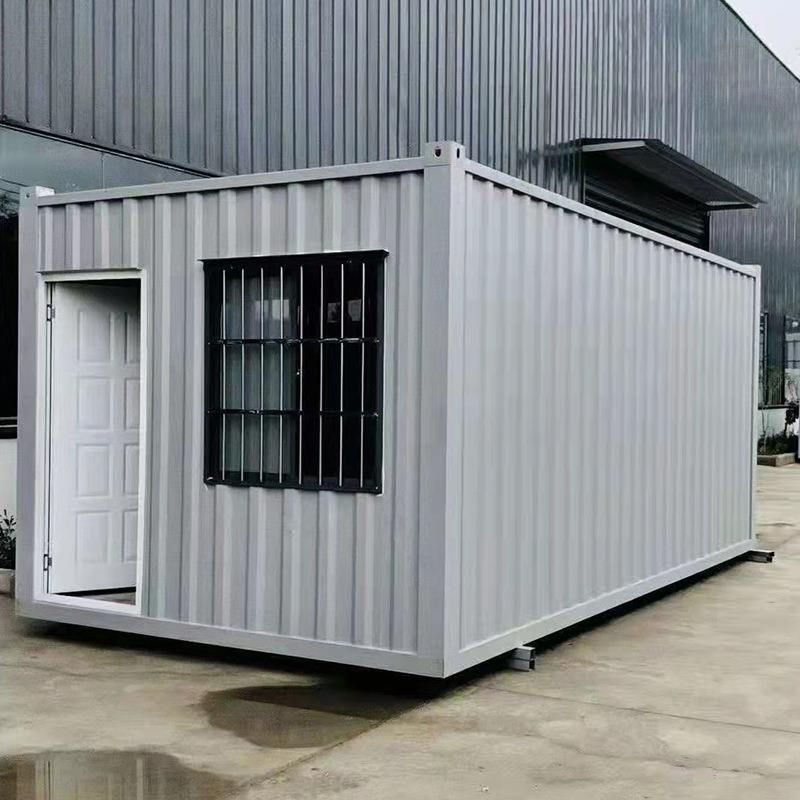
I. Core Functions and Technical Implementation
Real-time Monitoring of Environmental Parameters
The system continuously collects data such as ammonia and hydrogen sulfide concentrations (reflecting air hygiene conditions), temperature and humidity, toilet stall occupancy status, and visitor numbers through sensors installed in the toilet stalls. It converts physical signals into digital signals to form an initial data stream. For example, sensors can accurately identify whether a toilet stall is "occupied/unoccupied" and update this information in real-time to the management platform via IoT technology.Data Flow and Integration
Raw data undergoes preliminary processing (such as noise filtering and data packaging) by local gateways or edge computing devices before being transmitted via wired/wireless networks to the cloud or regional management platform. The platform cleans, aligns, and integrates multi-source heterogeneous data to form a structured dataset, providing a foundation for subsequent analysis.Intelligent Analysis and Decision Support
Algorithmic models mine usage patterns based on historical and real-time data. For instance, if a public toilet in a park experiences peak usage at 10 AM on weekends with a surge in toilet paper consumption, the system can generate maintenance instructions in advance, guiding management to replenish supplies or deploy additional cleaning staff on Friday evenings, enabling dynamic resource allocation.
II. Technological Iteration Directions
Microbial Degradation Technology
Suitable for long-term fixed locations with stable power supply, this technology uses microbial communities to decompose waste into odorless liquids, achieving internal circulation, eliminating reliance on sewer networks, and reducing maintenance costs.Combination of Packaging and Vacuum Suction
For large-scale event scenarios, this approach employs biodegradable packaging bags combined with a vacuum negative pressure system to simultaneously isolate odors and waste, reducing collection frequency and enhancing service efficiency in temporary settings.
III. Application of Intelligent Components
The system is equipped with "occupied/unoccupied" screens for real-time toilet stall status display, automatic deodorization spray systems, toilet paper level detection and alert devices, as well as IoT-based liquid level and battery monitoring modules. For example, when toilet paper levels fall below a threshold, the system automatically triggers an alert and generates a replenishment work order to prevent service interruptions.
IV. Closed-Loop Management and Continuous Optimization
The system dispatches work orders (such as supply replenishment and cleaning tasks) to maintenance personnel via the management platform while pushing information such as available toilet stalls, queue lengths, and air quality ratings to the public, minimizing unnecessary movement. Execution results of maintenance instructions, public satisfaction feedback (e.g., simple evaluation buttons), and facility energy consumption data are continuously recorded. Key metrics (such as the percentage reduction in average waiting time and energy-saving effects) are compared before and after optimization to quantitatively evaluate system effectiveness. This feedback loop refines algorithmic models and maintenance strategies, enabling self-iteration.



