
Self-Service Mobile Shared Toilet
Currently, there is no specific information available to introduce the 'self-service mobile shared toilet'. The following is a popular science analysis from the perspective of concept speculation:
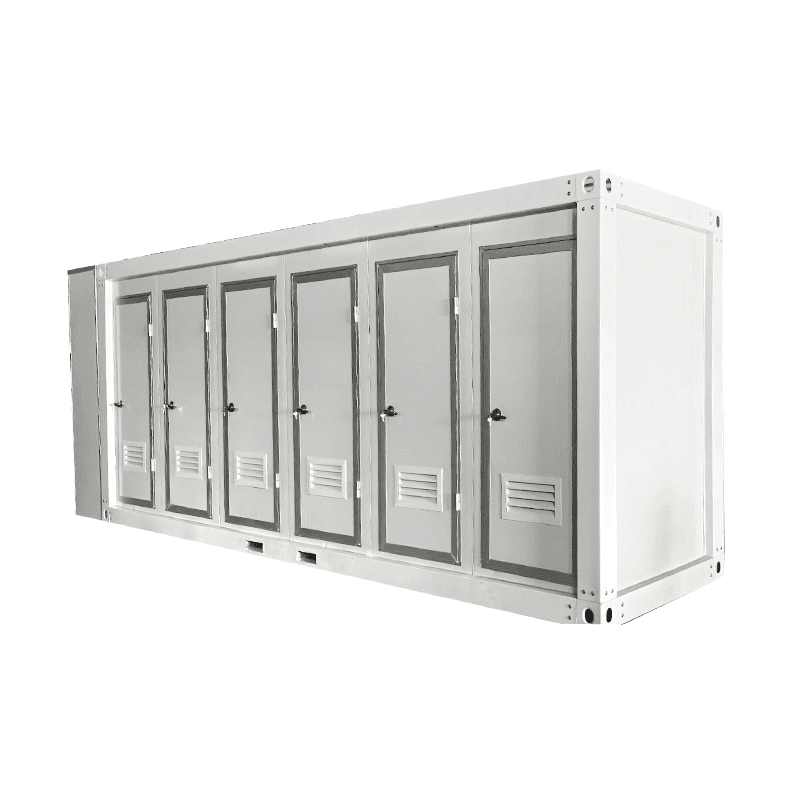
Concept Speculation
From its name, the 'self-service mobile shared toilet' combines three key characteristics: 'self-service', 'mobile', and 'shared'. 'Self-service' means that users can complete a series of operations on their own, such as scanning a code to open the toilet door, automatic flushing after use, and cleaning without manual intervention. It relies on an intelligent equipment system to achieve autonomous operation, which can greatly improve usage efficiency and reduce labor costs. The 'mobile' characteristic indicates that the toilet is movable. It may be installed on a movable carrier, such as a specially designed vehicle chassis, and can be flexibly transported and deployed to designated locations according to the pedestrian flow demands in different areas and at different times. For example, at large-scale event venues or tourist attractions during the peak tourist season when the pedestrian flow increases significantly, the self-service mobile shared toilet can be quickly delivered to meet people's toilet needs. 'Shared' reflects its usage model, similar to shared bicycles and shared power banks. Through certain technological means, such as an Internet platform, it enables multiple people to use it on demand, improving resource utilization and avoiding situations of resource idleness or shortage that may occur with traditional fixed toilets.
Potential Challenges
To realize such an innovative toilet facility, there are numerous challenges. At the technical level, it is necessary to ensure stability during movement to prevent equipment damage caused by bumps. At the same time, the reliability and safety of the intelligent system are also crucial to prevent malfunctions that could trap users. In terms of operations, how to reasonably plan the mobile routes and deployment locations to maximize demand satisfaction and reduce costs is a topic that requires in-depth research. In addition, hygiene maintenance is also a key issue. An effective cleaning and disinfection mechanism needs to be established to ensure that the toilet's hygiene conditions meet standards.



