
Self-built Prefabricated Housing
Self-built housing adopts a prefabricated approach, which involves the industrial production of building components and their on-site assembly. This form of construction is known as prefabricated modular construction.
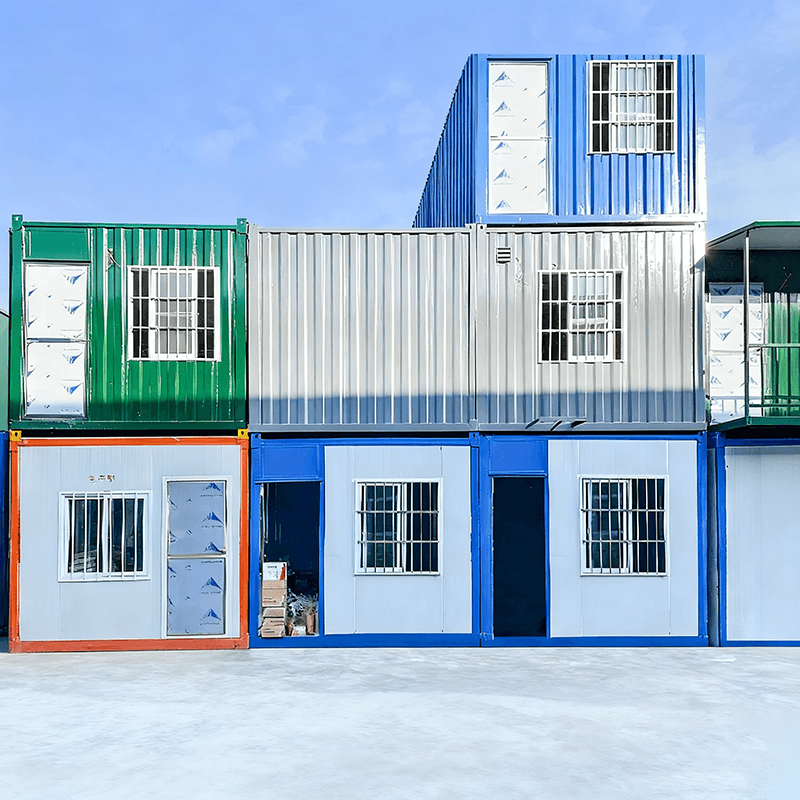
I. Main Types and Technologies The main types of prefabricated modular construction include panel-based, box-based, and frame-based systems. The technological framework encompasses prefabricated concrete structures and steel structures, with component types including prefabricated beams, slabs, walls, and columns. Taking rural prefabricated housing in South Korea as an example, its construction process reflects industrial characteristics: 5-ton foundation piles are fixed with base plates, beams are quickly connected using mortise-and-tenon joints, stairs are installed via lifting, floor slabs are laid with a thickness of 5 centimeters, and finally, grouting is applied to all component joints. This “building block” construction method significantly shortens the construction period, with the main structure in the South Korean example taking only 14 days to build.
II. Technological Advantages and Development History This technology offers core advantages such as shortened construction periods and reduced pollution. China's prefabricated concrete technology originated in the 1950s, initially applied in factory and residential construction, and saw a resurgence in the 21st century due to production efficiency and environmental protection demands. Companies like Vanke Group have developed prefabricated shear wall residential structural systems and applied prefabricated frame technologies in projects, driving the standardization of the technology. Modular construction, as a more integrated model, enhances seismic resistance through steel-concrete monolithic pouring (such as CMC composite modular buildings) and reduces construction time by 30% compared to traditional methods.
III. Existing Issues and Improvement Directions Some early prefabricated panel houses suffered from weak seismic resistance, poor sound and thermal insulation, and had a lifespan of approximately 30-50 years. However, through technological innovations such as steel-concrete monolithic pouring and optimized joint connections (e.g., mortise-and-tenon joints), structural safety can be significantly improved. For example, CMC composite modular buildings achieve 1.5 times the seismic performance of traditional buildings through high-strength joint designs.
IV. Market Applications and Export Data Chinese prefabricated housing has demonstrated strong performance in the international market. According to customs data, in the first four months of 2026, the Guangzhou Customs District exported 1.4 billion yuan worth of modular housing, a year-on-year increase of 38.1%; the Shenzhen Port exported 1.68 billion yuan worth, a year-on-year increase of 19.6%. The exported products are primarily modular and standardized prefabricated houses, meeting overseas demands for rapid construction and reflecting the international competitiveness of China's prefabricated construction technology.



