
Self-built Prefabricated Cement House
Self-built prefabricated cement houses can quickly complete the main structure through the assembly of prefabricated components, offering advantages such as short construction periods and controllable costs, but specifications and construction plans need to be selected based on specific needs.
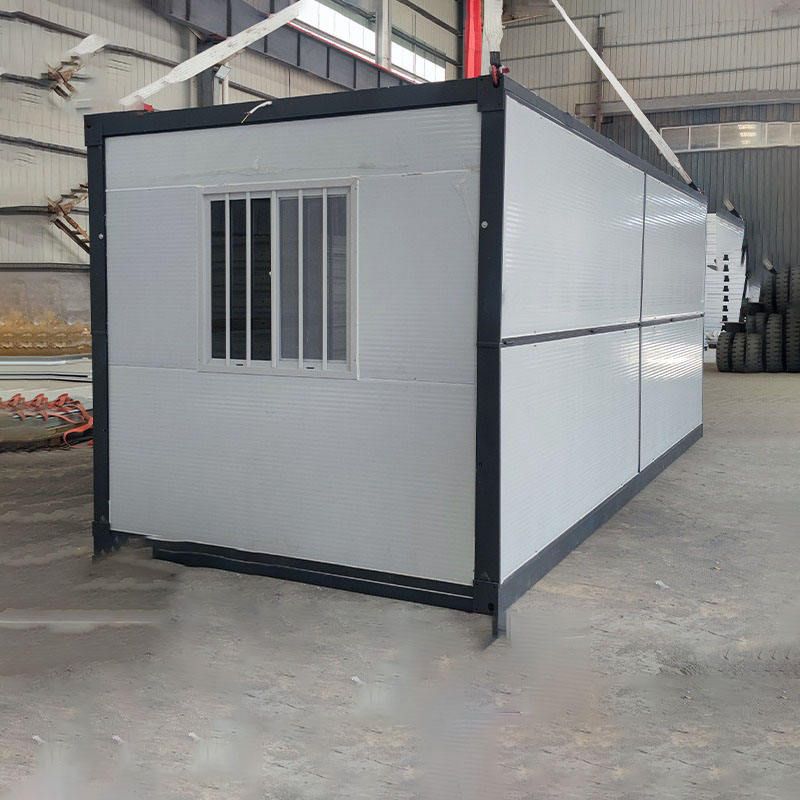
Construction Efficiency and Structural Features
The core advantage of prefabricated cement houses lies in modular assembly. For example, in one case, 5-ton foundation piles were used in conjunction with base plates for fixation, beams were rapidly connected using mortise-and-tenon joints, stairs were hoisted like “building blocks,” floor slabs were laid with a thickness of 5 centimeters, and finally, gaps between components were grouted, enabling the completion of the main structure in 14 days. Another case showed that a fully reinforced concrete house in rural Henan, built with the cooperation of workers and cranes, could complete the villa's main structure in as little as 4 hours and the entire building in 2 days, with each room weighing up to 30 tons and a service life of up to 70 years. This construction method significantly shortens the traditional building cycle, making it particularly suitable for projects with tight time constraints.
Cost and Price Variations
The cost of prefabricated cement houses is significantly influenced by factors such as region, specifications, and materials. For example:
- Xuzhou, Jiangsu: Wholesale price is 500 yuan per square meter;
- Jining, Shandong: Price range is 260 yuan to 500 yuan per square meter;
- Shijiazhuang, Hebei: The price range is even broader, from 100 yuan to 4,200 yuan per square meter.
Low-priced products may adopt basic specifications or simplified processes, while high-priced products may include higher-strength materials, complex structures, or customized designs. Taking the rural Henan case as an example, the villa's unit price is about 300-plus yuan per square meter, and the total cost of a large villa is only over 100,000 yuan, indicating that large-scale production or standardized design can further reduce costs.
Applicable Scenarios and Precautions
Applicable Scenarios:
- Emergency housing needs (e.g., post-disaster reconstruction);
- Rural self-built houses or low-cost residential projects;
- Commercial buildings sensitive to construction periods (e.g., temporary office spaces).
Precautions:
- Structural Stability: Ensure that the foundation's bearing capacity matches the weight of the prefabricated components. For example, a house with 30 tons per room requires professional foundation design;
- Connection Process: Mortise-and-tenon joints or grouted gaps must be constructed strictly according to specifications to avoid cracking later;
- Regional Differences: Prices vary widely, so it is necessary to select suppliers based on local market research.
Prefabricated cement houses balance efficiency and cost through industrial production and modular installation, but specifications, quality, and budget must be weighed based on specific needs.



