
Renovated House from Scrap Containers
Scrap containers can be transformed into versatile and comfortable living or functional spaces, with numerous successful cases both domestically and internationally. The key to renovation lies in reasonable planning and design.
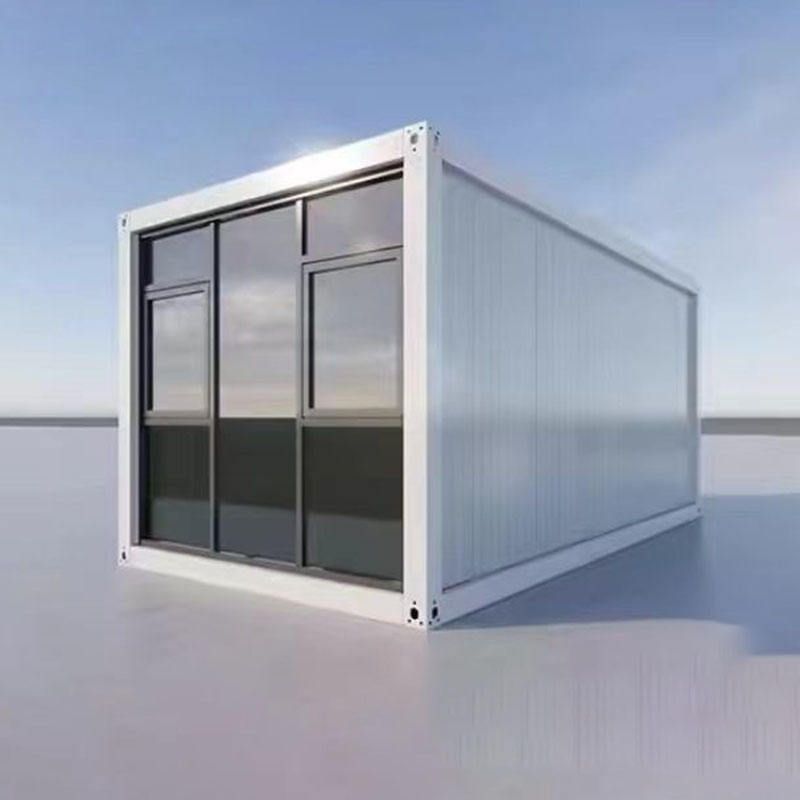
I. Residential Space Renovation
Containers can be renovated into cozy homes to meet daily living needs. For example, a foreign couple transformed a 15㎡ container into a mini villa, adopting a deformable open design, adding a patio, and installing solar panels to solve electricity issues. The kitchen inside uses a linear layout to save space, and the bedroom bed can be folded to increase space flexibility. Another couple spent six years renovating two 30㎡ scrap containers into a home that can sleep seven people, setting up hydraulic decks to increase activity space, with main living room furniture that can be stored in the walls and fully equipped kitchens and bathrooms. In addition, Mr. Zhou from Xiaogan, Hubei, spent 13,000 yuan to renovate a second-hand container into an internet-famous cottage, featuring a rustic style with green plants, an open kitchen, and a bathroom. Auckland's 45㎡ 'container house', composed of two old containers, received an '8 Homestar' certification, with compact space utilization and an efficient energy system.
II. Commercial and Cultural Space Renovation
Containers also have a wide range of applications in the commercial and cultural fields. Germany has renovated containers into hotels, garden houses, gyms, tool sheds, etc. For example, Germany's first container hotel, the 'Dock Hostel', is composed of 78 old containers. The i31 Hotel in the Mitte district of Berlin has four special suites renovated from containers. The Treptow district in Berlin has a container student apartment with a total area of 11,000 square meters. In addition, companies such as Daimler and H&M use container 'pop-up' stores as temporary sales spaces or promotional stalls.
III. Special Purpose Space Renovation
Containers can also be used for the construction of special purpose spaces. The German Federal Defense Force has deployed temporary hospitals, rescue centers, and ambulance stations built from containers in some countries, and the German Navy also has container rescue centers on its warships. During the 2015 European refugee crisis, various places in Germany used containers to build transitional housing for refugees. In the agricultural field, containers have been renovated into farms, enabling vegetable growing and fish farming in city centers or family backyards. There are also seasonally open container restaurants in the northern coastal areas of Germany.



