
Installation of Portable Toilets in Scenic Areas
The installation of portable toilets in scenic areas requires comprehensive planning that takes into account environmental adaptability, functional requirements, and sewage disposal conditions. The specific steps are as follows:
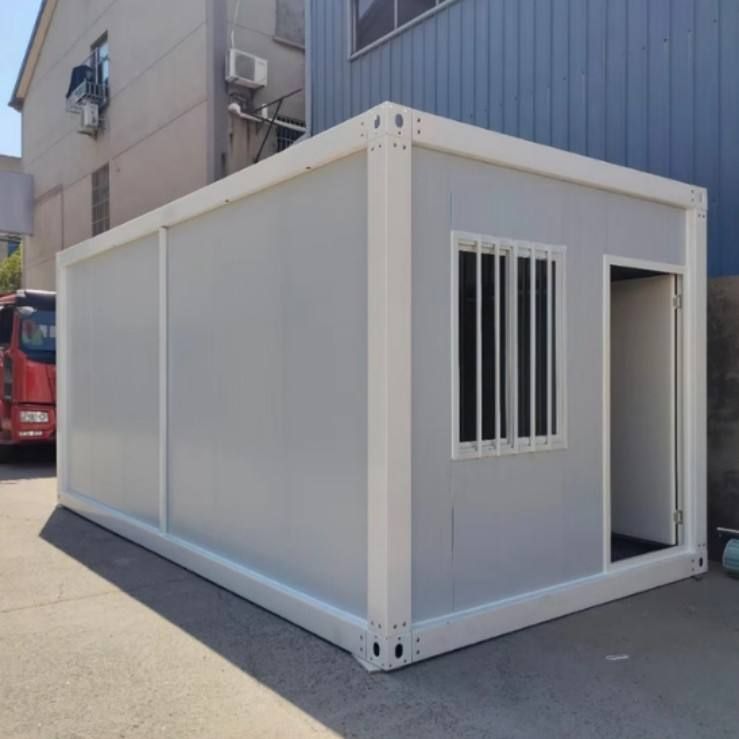
1. Site Selection and Overall Layout
The core advantage of portable toilets in scenic areas lies in their overall mobility. The installation location should be selected based on the distribution of tourist traffic, landscape characteristics, and service radius within the scenic area. Priority should be given to flat, dry areas that are easy to maintain, avoiding low-lying areas prone to water accumulation or locations that disrupt tourist movement. For temporary needs (such as a surge in tourist traffic during holidays), they can be placed near parking lots or visitor centers; for long-term fixed use, consideration should be given to harmonizing with the surrounding landscape, for example, by using materials (such as metal carved panel exteriors) or color schemes consistent with the architectural style of the scenic area to reduce visual discordance.
2. Styling and Environmental Integration
Before installation, the toilet's exterior should be designed according to the on-site environment, with integration into the scenic area's theme being key. For example, natural scenic areas can opt for wooden textures or imitation stone appearances; historical and cultural scenic areas can adopt an antique architectural style; and modern themed scenic areas can choose simple geometric shapes. Common material options include metal carved panels, rot-resistant wood, and imitation brick panels, all of which need to balance durability and aesthetics. Additionally, the industrial feel of the toilets can be further softened through green decorations (such as climbing plants or landscape flower boxes).
3. Number of Stalls and Internal Functional Configuration
The scale of the toilets should be determined based on the average daily tourist traffic in the scenic area, with peak-hour demand serving as the benchmark. For example, small scenic areas with less than 500 daily visitors can be equipped with 4-6 stalls (with a male-to-female ratio of 2:1); large scenic areas or those expecting over 2,000 visitors during holidays should increase the number to 10-15 stalls and include special functional areas such as accessible restrooms and family restrooms. The internal design should focus on practicality: the women's restroom floor should be laid with waterproof and slip-resistant flooring, while the men's restroom can feature independent stalls or urinals; the ventilation system should be enhanced to prevent odor buildup; and energy-saving LED lights should be used for illumination to ensure safety during nighttime use.
4. Sewage Disposal Method Selection
The sewage disposal plan for portable toilets in scenic areas should be tailored to the site conditions:
- Sewage-free pipeline installation: Suitable for scenic areas without municipal sewage networks or insufficient water sources, such as using stainless steel waterless packing squat toilets (floor-mounted or buried), which collect feces in biodegradable film bags for regular cleaning, eliminating the need for flushing equipment, saving water resources, and being environmentally friendly.
- Water-based sewage system: If the scenic area has a water supply, traditional flush toilets can be chosen, but a septic tank needs to be reserved or connected to the municipal sewage network. The installation cost is higher, but the user experience is closer to that of fixed toilets.
- Ecological treatment technology: Some high-end scenic areas adopt biodegradation technology, using microorganisms to decompose feces and achieve zero emissions. However, this requires regular maintenance of bacterial strains and equipment and is suitable for long-term fixed use scenarios.
After installation, functional tests should be conducted to ensure the normal operation of the sewage disposal, ventilation, and lighting systems, and regular cleaning and maintenance should be carried out to extend the service life and enhance the tourist experience.



