
Sanitation Mobile Toilet Vehicle
The sanitation mobile toilet vehicle is a modern mobile public toilet facility modified from a Class II chassis, equipped with independent toilets, sewage disposal, and water and electricity facilities, suitable for temporary or fixed scenarios requiring toilet services.
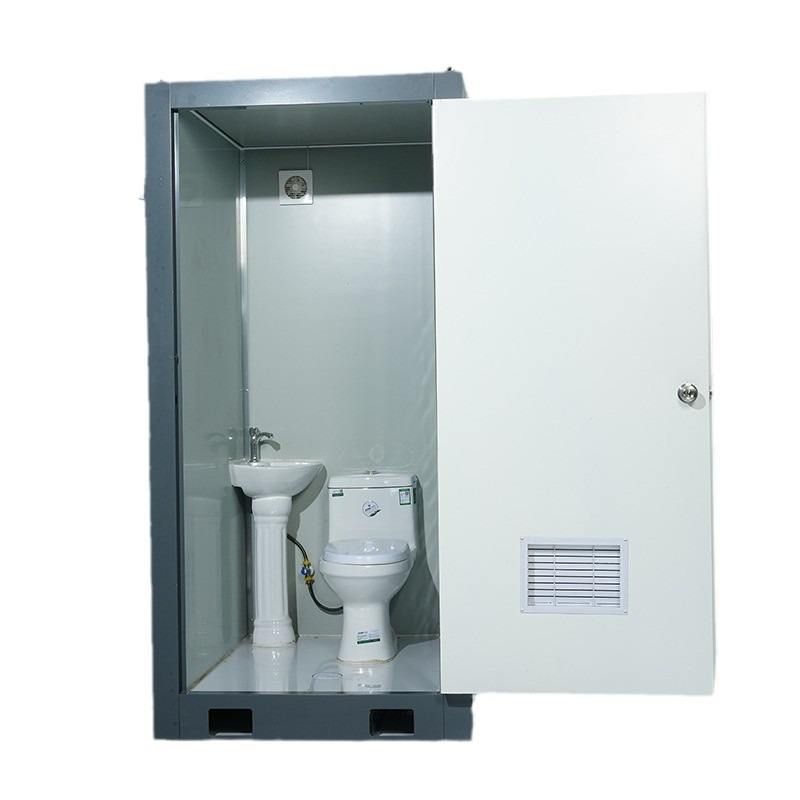
Structure and Materials
The sanitation mobile toilet vehicle is modified based on a Class II chassis to ensure driving capability and stability. Its body adopts a sandwich panel structure, with an outer layer of cold-rolled steel plate that is impact-resistant and corrosion-resistant, and an inner layer of UV board that is smooth, easy to clean, and effectively moisture-proof and mold-proof. The wall incorporates a steel frame and is filled with insulation material, enabling it to adapt to different climatic conditions and maintain a stable internal temperature. The floor is made of anti-slip 304 stainless steel checkered plate, meeting durability requirements while enhancing anti-slip performance through its checkered design, reducing usage risks.
Functional Configuration
The vehicle is equipped with 4-8 independent toilets, separated into male and female areas, with each cubicle featuring an independent partition to ensure user privacy, making it particularly suitable for high-end venues or scenarios with high privacy requirements. The male area includes an integrated urinal, designed for simplicity to save space and improve usage efficiency. Internally, it integrates sewage pipes, water pipes, and lighting and power supply equipment, requiring connection to external water and power sources for normal operation, making it suitable for placement in parks, construction sites, exhibitions, and other areas with basic supporting facilities.
Applicable Scenarios and Advantages
The sanitation mobile toilet vehicle, with its mobility and modular design, can be rapidly deployed in temporary events, disaster relief, or remote areas, addressing the issues of long construction periods and high costs associated with traditional public toilets. Its high-end configurations (such as independent partitions and anti-slip floors) combined with practical designs (such as integrated urinals) meet basic toilet needs while considering user experience, becoming an important supplement to modern urban public service facilities. Additionally, the use of sandwich panel structures and stainless steel materials extends the equipment's service life and reduces long-term maintenance costs.



