
Sales Agreement for Container Houses
The following is an overview of the key points and a sample content description of a sales agreement for container houses:
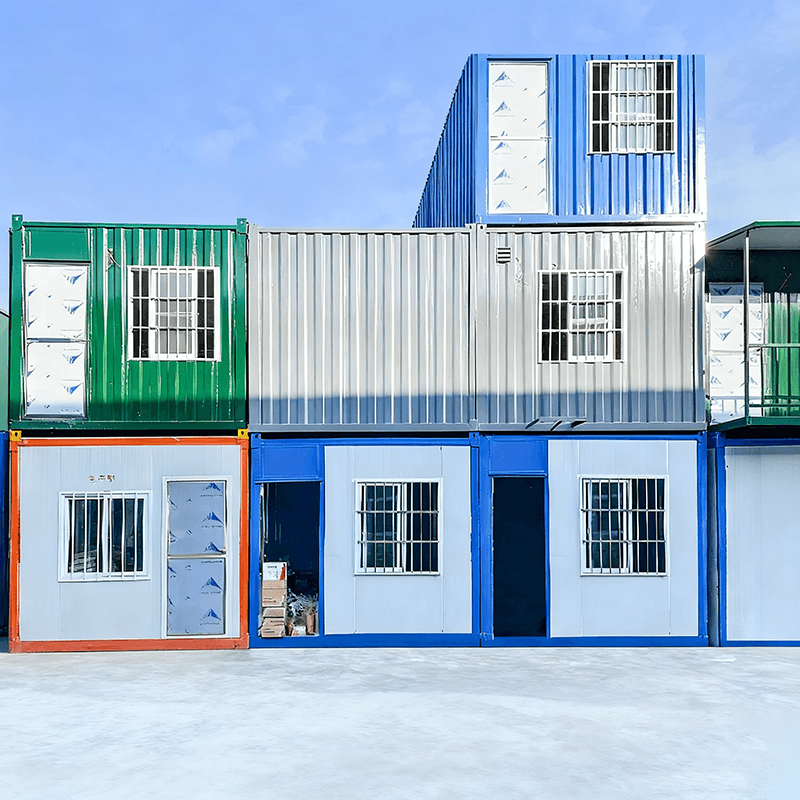
I. Core Elements of the Agreement The purchase and sale contract for container houses should clearly specify the information of both parties (names, addresses, contact details, etc.) and be formulated based on the Civil Code of the People's Republic of China and relevant regulations. The core clauses of the contract include product specifications, price, delivery time, payment method, quality standards, acceptance procedures, and liability for breach of contract, ensuring that the rights and interests of both parties are legally protected.
II. Explanation of Key Clauses
Product Specifications and Price
- An Order List should be attached, detailing the model, size, material (e.g., high-strength steel conforming to GB/T700-2006 standards), decoration standards, door and window configurations (thermal-break aluminum alloy or plastic-steel profiles), electrical systems (flame-retardant conduits, switches conforming to national safety standards), and waterproofing requirements of the container houses.
- The total contract price is tax-inclusive, with the tax rate and included expenses (materials, transportation, installation, taxes, etc.) clearly specified. The final settlement is based on the actual quantity delivered and accepted as qualified.
Quality Standards
- The container houses should comply with industry standards such as the General Technical Conditions for Container Mobile Houses (GB/T17428-2009), ensuring a sturdy structure, crack-free welds, good sealing, smooth interior finishes, and safe and reliable electrical circuits.
Delivery and Payment
- The delivery time and location should be clearly specified, and any delays in delivery should be promptly notified to minimize losses.
- Payment is divided into three stages: an advance payment (e.g., 30%) after contract signing, an interim payment (e.g., 60%) after acceptance, and the remaining 10% as a quality guarantee deposit, which is paid after the expiration of the warranty period.
Acceptance and Liability for Breach of Contract
- Party B should inspect and sign an acceptance certificate upon receipt of the goods, based on the contract specifications.
- The breaching party should compensate for direct and indirect losses (e.g., legal fees), and liquidated damages may be separately agreed upon.
III. Other Clauses
- Contract Amendment and Termination: Requires written consent from both parties, specifying the conditions and procedures for amendment or termination.
- Dispute Resolution: Prioritize negotiation; if negotiation fails, arbitration or litigation may be pursued, with a specified institution or court.
- Validity of Appendices: Appendices such as the Order List and technical specifications are equally valid as the contract, and any changes require written confirmation from both parties.
IV. Signing and Effectiveness The contract should be stamped by both parties and signed by their legal representatives or authorized representatives, with the signing date and location noted. The contract becomes effective upon payment of the deposit. If Party B unilaterally cancels the contract or changes the specifications, resulting in the inability to produce, the deposit will not be refunded.
Note: Specific clauses should be adjusted according to the actual transaction, and it is recommended to consult legal professionals before signing to ensure compliance.



