
RV is a Mobile Toilet
RVs are indeed equipped with mobile toilets, which are an important part of RV life and provide convenience for travel.
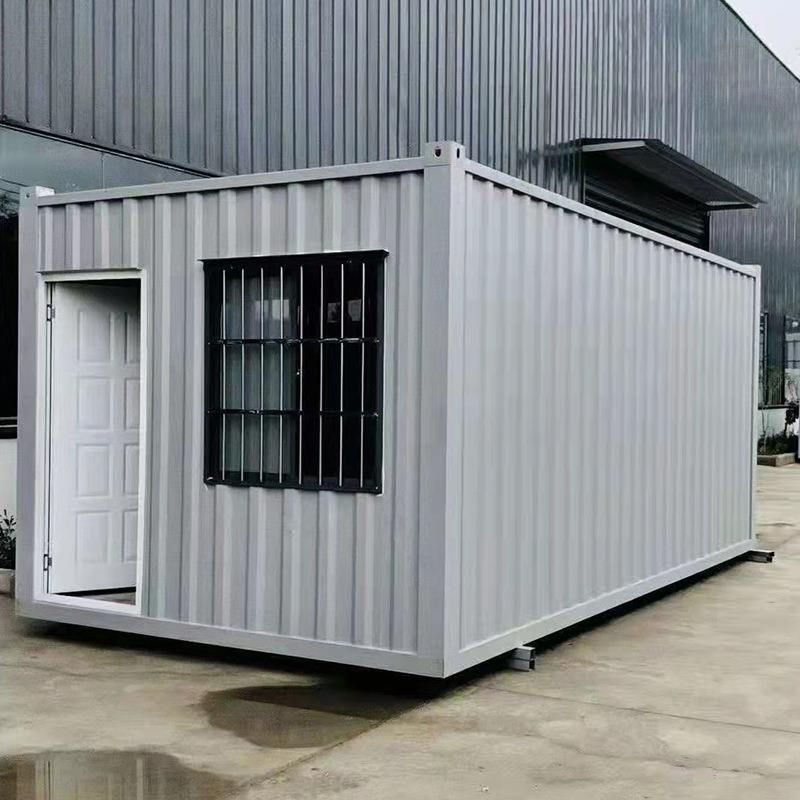
Mobile toilets in RVs mainly fall into three types: portable, fixed, and dry, each with its own characteristics and suitable for different usage scenarios.
Portable Mobile Toilets: Typically composed of a water tank and a toilet bowl, they have a relatively simple structure and can be moved and cleaned at any time. This type of mobile toilet takes up little space and is suitable for short trips or small RVs. Due to their flexibility, users can place them in a suitable location inside the RV as needed or temporarily move them outside for use.
Fixed Mobile Toilets: Installed inside the RV and connected to a wastewater tank through pipes. This design makes them more convenient to use, as users do not need to frequently move the toilet equipment. Fixed mobile toilets are usually equipped with more complete facilities, such as flushing systems and ventilation systems, and are suitable for long-term travel or large RVs. They also offer better stability, providing users with a more comfortable toilet experience.
Dry Mobile Toilets: Use special materials to decompose waste without the need for water. This type of mobile toilet is suitable for users with strong environmental awareness, as it can reduce water consumption. However, dry mobile toilets require regular replacement of the decomposition materials to ensure proper functioning. Additionally, their waste disposal method may require users to adapt for a period of time.
Mobile toilets in RVs are typically composed of a toilet seat, wastewater tank, freshwater tank, drain valve, and ventilation system, among other parts. Some intelligent biological toilets also have functions such as automatic stirring, heating, and decomposing waste, converting it into odorless substances through bacteria and decomposition materials, which can even be directly used as fertilizer.
Furthermore, the use and maintenance of mobile toilets in RVs are relatively simple. When using, check the water levels in the freshwater and wastewater tanks to ensure there is enough water in the freshwater tank and enough space in the wastewater tank. During maintenance, regularly clean the toilet seat and internal pipes, and check the drain valve and ventilation system to ensure they are functioning properly.



