
Rural Winter Mobile Toilet
Rural winter mobile toilets are applicable, and some specially designed mobile toilets can be used normally in winter.
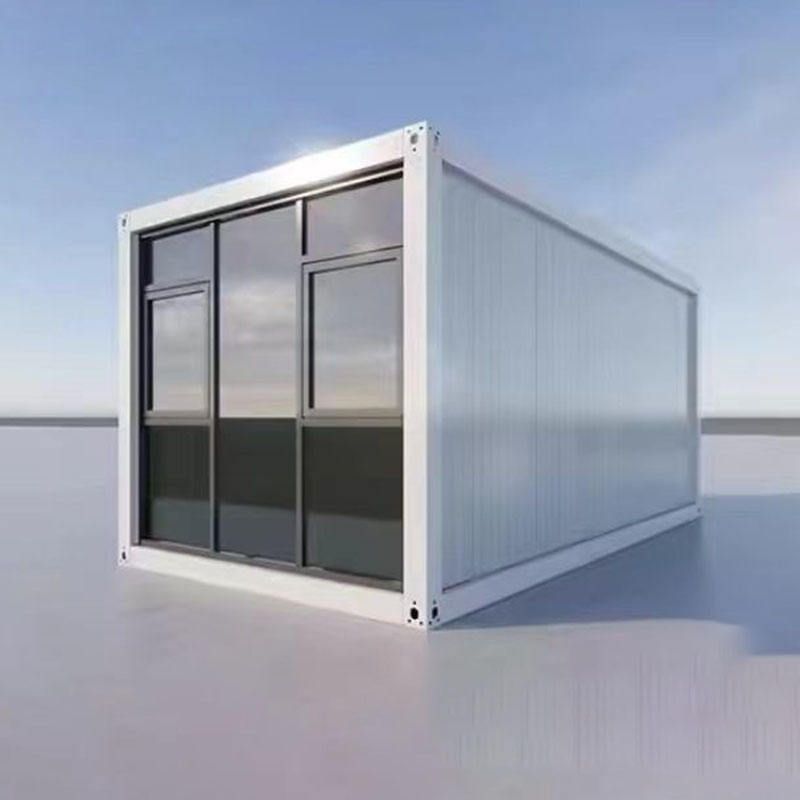
Thermal insulation design is the core function of winter mobile toilets. Some manufacturers enhance thermal insulation performance by optimizing wall structures. For example, the mobile toilets from Dezhou Hongtu Metal Products Co., Ltd. feature thickened walls that provide both thermal insulation and heat shielding, effectively reducing indoor heat loss in winter. The Datong rural mobile toilets from Cangzhou Hengtai Sanitation Equipment Co., Ltd. achieve thermal insulation through material innovation. Their products use materials such as color-coated steel plates and metal carved panels, combined with internal thermal insulation layers, and are suitable for temperatures ranging from -30℃ to 40℃, maintaining stable indoor temperatures even in extremely cold environments.
Cold-resistant and anti-freezing technologies are key guarantees for winter use. Addressing the low-temperature characteristics of northern rural areas in winter, some mobile toilets solve pipeline freezing issues through technological improvements. For example, the small household mobile restrooms launched by Hebei Xinyue Environmental Protection Equipment Co., Ltd. adopt a squat pan without flushing design, achieving harmless treatment of feces through ecological dry toilet principles and avoiding the inability to use traditional flushing toilets due to pipeline freezing. Such products fundamentally circumvent the impact of low temperatures on facility operation by optimizing waste treatment methods.
Material selection directly affects winter applicability. New materials such as metal carved panels and color-coated steel plates are widely used in winter mobile toilets due to their excellent thermal insulation properties. The metal layer on the surface of metal carved panels reflects heat, while the internal foam layer provides thermal insulation support, forming a dual thermal insulation barrier. Color-coated steel plates achieve a balance between lightweight design and high thermal insulation through a composite structure of galvanized steel plates and polyurethane foam layers. These materials not only enhance the cold resistance of the equipment but also extend its service life.
Applicable scenarios cover diverse rural needs. The application scenarios of winter mobile toilets include temporary event venues, residences in remote areas, and tourist attractions. In rural areas without centralized heating, thermally insulated mobile toilets can replace traditional dry toilets, improving sanitary conditions. On winter construction sites, such facilities can meet the basic living needs of workers. Tourist attractions can extend their winter operating hours and enhance visitor experiences by deploying cold-resistant mobile toilets.
Core parameters should be considered when purchasing. It is recommended to prioritize products with specified applicable temperature ranges and focus on examining wall thickness, thermal insulation layer materials, and waste treatment methods. For flushing toilets, pipeline anti-freezing designs should be confirmed; for non-flushing toilets, attention should be paid to feces treatment efficiency and odor control technologies. Reasonable selection of equipment types can ensure stable operation of mobile toilets in low-temperature winter environments.



