
Rural Mobile Earth Toilet
A rural mobile earth toilet generally refers to a toilet that can be moved at any time. It is usually made of steel or plastic and is equipped with a squatting pan, a flush tank, and some are also equipped with a washbasin, lighting fixtures, etc.
Specifications and Materials
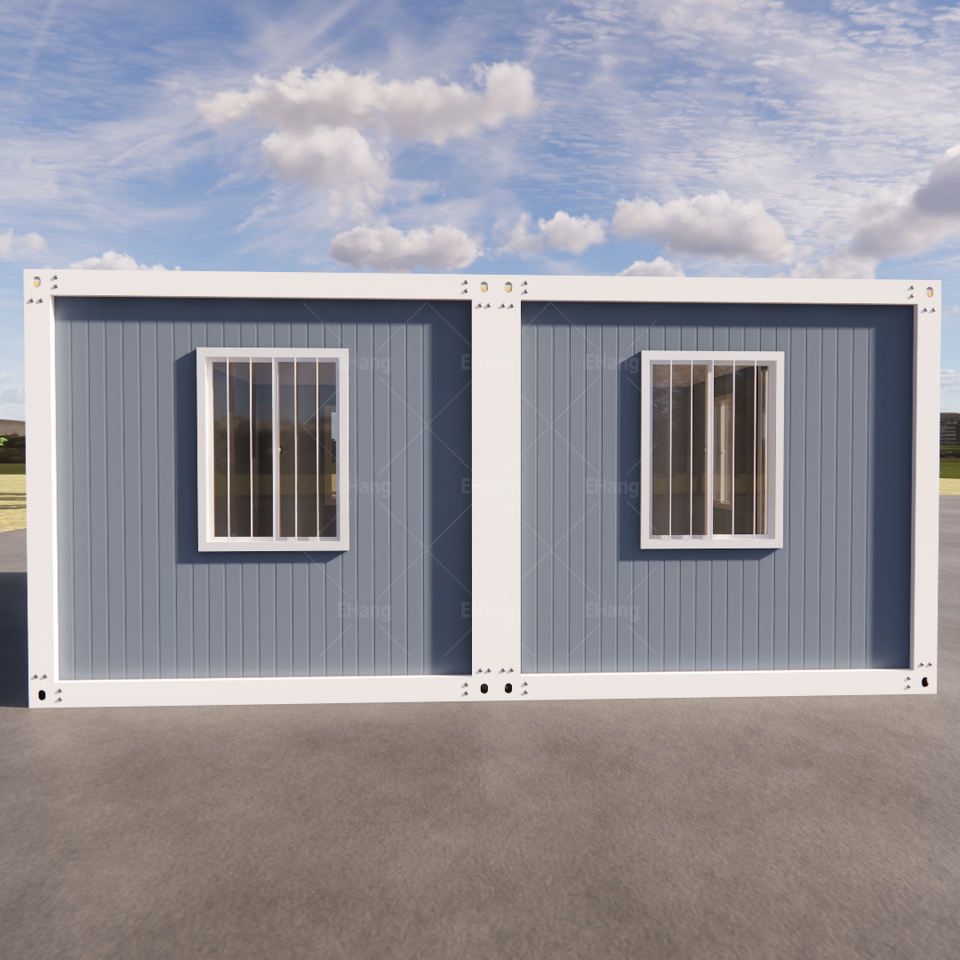
Rural mobile toilets come in a variety of specifications. For example, a mobile toilet produced by a manufacturer in Huizhou has a length and width of 1.1 meters and a height of 2.3 meters. The specification of the waterless packing mobile toilet produced by Henan Hemai Industrial Co., Ltd. is 110011002300 (unit: millimeters). In terms of materials, steel and plastic are common. Some also use color-coated steel, such as the products of Henan Hemai Industrial Co., Ltd. Color-coated steel gives the toilet a certain degree of strength and durability, and it has a wide applicable temperature range, being able to operate in environments from -35 to 100℃.
Internal Configuration
The basic internal configuration usually includes a squatting pan to meet people's daily toilet needs. The flush tank is used for flushing and cleaning to keep the toilet hygienic. Some relatively well-equipped mobile toilets are also equipped with a washbasin for hand-washing after using the toilet. The lighting fixture provides illumination at night or in low-light conditions, enhancing convenience and safety during use.
Features and Advantages
Rural mobile toilets are mobile and can be moved to different locations as needed, offering high flexibility. For temporary event venues, construction sites, or remote areas in rural areas, these mobile toilets can effectively solve the toilet problem. Moreover, they are relatively simple to manufacture, and installation and disassembly are convenient, allowing for quick deployment and removal.
Price Situation
The price of rural mobile toilets varies depending on the configuration, ranging from four to five hundred yuan to five to six thousand yuan. Those with lower configurations and relatively simple functions are cheaper. On the other hand, those with higher configurations, such as more additional facilities and better materials, are relatively more expensive. Users can choose the appropriate product according to their actual needs and budget.



