
Free Mobile Toilets in Rural Areas
Whether mobile toilets are available for free in rural areas depends on the situation, as policies vary across regions.
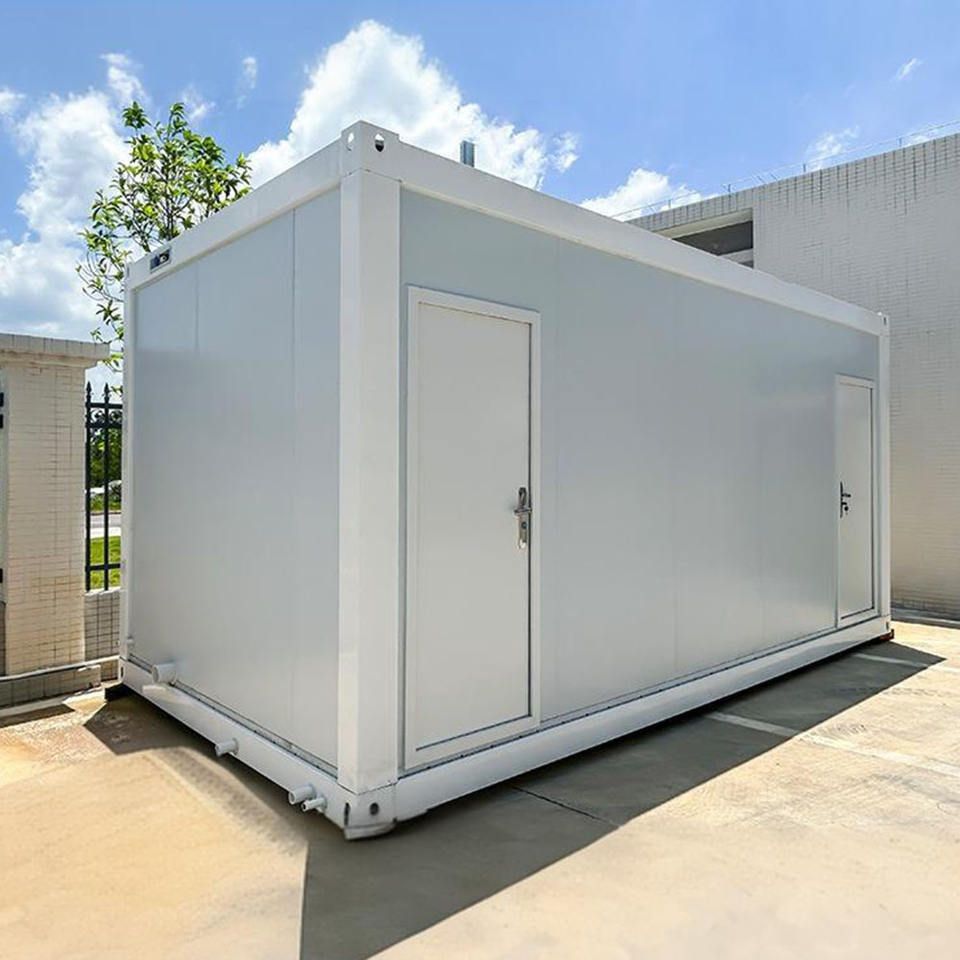
Da'an City: The installation of mobile toilets in rural areas is not entirely free. The core funding model is primarily based on government subsidies, with farmers contributing a portion. Subsidies are mainly targeted at farmers with local household registration. The specific subsidy amounts and self-raised funds may be adjusted annually, and the latest policy documents issued by the local township government or agricultural and rural department at the time of application should be referred to. For example, ordinary farmers may need to contribute a portion of the costs, which could be 1,500 yuan or less; while special disadvantaged groups, such as low-income households, households receiving the five guarantees, and families with disabled members, may not need to pay if they meet the conditions. This means that in Da'an City, the installation costs of mobile toilets in rural areas are not entirely borne by the government, and farmers need to bear a certain proportion of the costs based on their own situations, while special disadvantaged groups may enjoy full subsidies.
A Rural Area in Northwestern Hebei: There are cases where villages provide benefits, allowing farmer households to receive toilets for free. According to villagers, installing new toilets does not cost farmers a penny; they only need to dig the pits themselves, and the village will also provide 2 bags of cement. This situation indicates that in this area, the installation costs of mobile toilets in rural areas are entirely borne by the village, and farmers do not need to bear any costs, only needing to contribute a certain amount of labor.
Rural Human Settlements Improvement Project (including 'Two Renovations and One Household Connection'): It is not the case that 'every household pays nothing'. The costs of main pipelines and public reservoirs outside the village are borne by the government. However, after the pipelines enter the courtyard gates, the official standard configuration only includes basic facilities, such as three-compartment septic tanks and ordinary white squat toilets. If villagers want higher-grade facilities, the additional costs need to be borne by themselves. Nevertheless, disadvantaged families in the village, such as households receiving the five guarantees, low-income households, severely disabled individuals, and households under anti-poverty monitoring, can receive free basic-standard renovations. This shows that in this project, the installation costs of mobile toilets in rural areas are partially borne by the government and partially by farmers, with disadvantaged families enjoying free basic-standard renovation policies.



