
Rural Container Refitted Housing
Rural container refitted housing is an innovative and feasible construction method with multiple advantages such as environmental protection, flexibility, and cost-effectiveness.
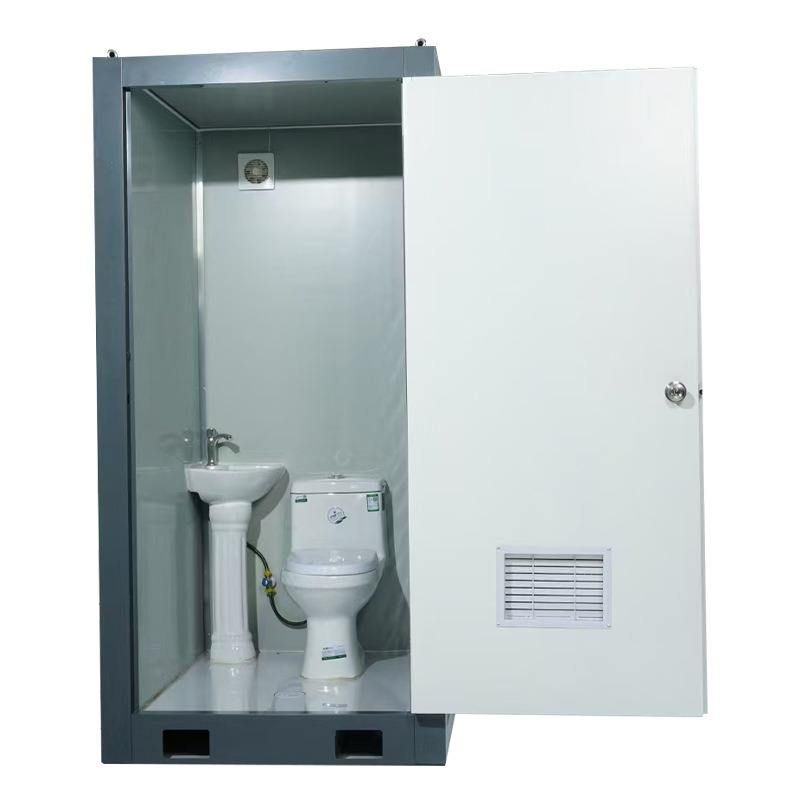
Environmental Protection and Sustainability: The core value of container houses lies in the full lifecycle recycling of their materials. Each standard 20-foot container consumes approximately 1.2 tons of steel, significantly reducing carbon emissions compared to one-time poured concrete temporary buildings of the same area. Additionally, container houses can be hoisted as a whole to new sites, with disassembly and assembly loss rates controlled within 5%, greatly reducing construction waste generation.
Structural Optimization and Stability: To address structural issues when using containers as houses, methods such as installing C-shaped steel purlins between the bottom beams can evenly distribute loads to the main beams, enabling the box to maintain structural stability even when stacked in multiple layers. Simultaneously, anti-corrosion treatment on the box surface can extend its service life.
Thermal Insulation Performance: Container houses face challenges from the cold and heat bridge effect of metal box walls. Improved solutions such as adopting broken bridge lining structures and filling with rigid polyurethane foam can reduce heat exchange efficiency between the inside and outside of the box, improving thermal insulation performance.
Flexibility and Personalized Design: Container houses can be customized according to needs, such as installing hydraulic decks and designing foldable furniture, to enhance space utilization and living comfort. Meanwhile, the modular nature of container houses makes them easy to expand and renovate, meeting usage demands in different scenarios.
Cost-Effectiveness and Practicality: Compared to traditional construction methods, container houses offer advantages such as lower costs and faster construction speeds. Through reasonable planning and design, container houses can provide fully equipped living spaces with water and electricity, meeting the residential needs of rural areas.



