
Rural Container Integrated Housing
Rural container integrated housing is a type of mobile housing that uses containers as the basic structural units. Through modular design and industrial production, it is adapted to rural scenarios and features flexibility, portability, cost control, and customization.
I. Structural Performance and Safety
Mainstream container integrated housing adopts high-strength light steel frames, such as all-steel structural frames or cold-formed thin-walled steel, combined with anti-corrosion treatment to ensure structural stability and durability. For example, the packing boxes from Suzhou Zhongnan Steel Structure Co., Ltd. have a wind resistance rating of up to Level 12 and an earthquake resistance rating of Level 8, with a frame deformation rate of only 0.18%, far below the industry's qualified threshold of 0.3%. The walls feature a composite sandwich layer design, with an outer layer of anti-corrosion color-coated steel plate and a middle layer filled with rock wool or polyurethane, providing functions such as load-bearing, thermal insulation, heat insulation, waterproofing, and fire resistance, making them adaptable to extreme working conditions.
II. Functional Features and Adapted Scenarios
- Rapid Deployment and Recovery: After folding, the product is the size of a standard container and can be unfolded through hoisting, with installation completed within 1 hour. The entire process requires no wet work. After use, it can be folded and transported, supporting repeated turnover.
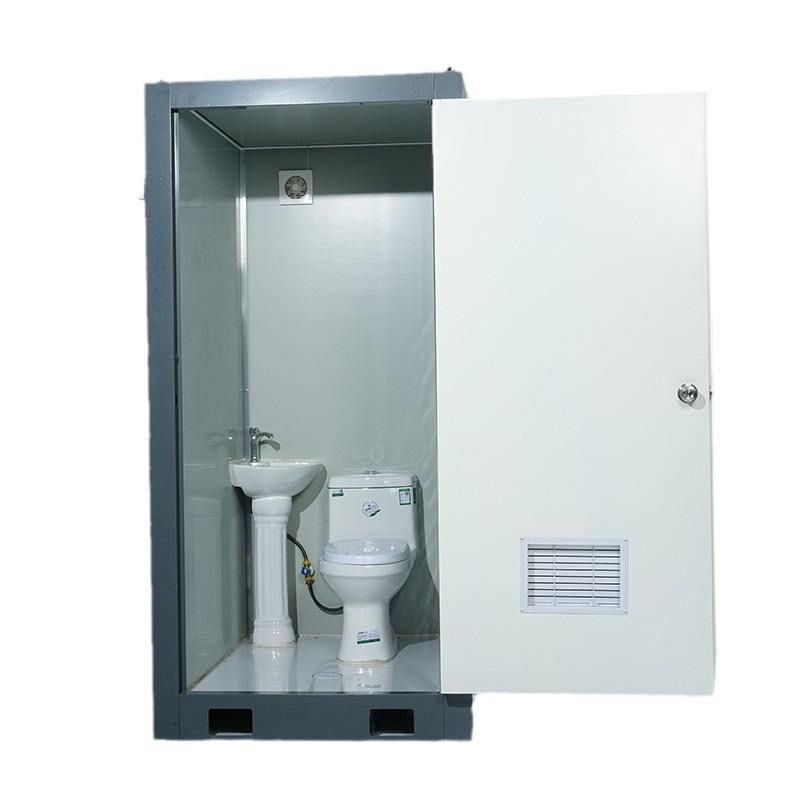
- Full-House Integrated Pre-assembly: Components such as the structure, thermal insulation, doors and windows, water and electricity, and sanitary facilities are all pre-assembled in an integrated manner at the factory and can be used directly upon arrival, reducing on-site construction interference.
- Multi-Scenario Adaptation: It can be applied to scenarios such as rural vacation homes, guest rooms in bed and breakfasts, camping bases, and temporary rest or service facilities. Through horizontal splicing or multi-layer stacking, it can be freely combined into functional spaces such as office areas, dormitory areas, and reception areas.
III. Technological Advantages and Environmental Protection
- Low Transportation Costs: After folding, the volume is small, and the loading capacity per vehicle or container is higher, significantly saving on land and sea transportation costs.
- Environmentally Friendly with No Construction Waste: It adopts a factory prefabrication and dry construction mode, with all materials being recyclable, meeting the requirements of green buildings.
- High Degree of Customization: Dimensions, interiors, functions, and intelligent systems can all be customized according to needs, adapting to different usage standards at home and abroad.
IV. Purchase Recommendations and Precautions
- Verify Qualifications: Prioritize enterprises with production qualifications and domestic and foreign certifications to ensure that products comply with building seismic design specifications and other standards.
- Focus on Structural Stability: In extreme working conditions, verify wind and earthquake resistance test reports to avoid selecting unqualified white-label products.
- Evaluate the Full Life Cycle Cost: Compliant products can be disassembled and reused an average of more than 8 times, reducing construction waste emissions by about 90%, making them more economical for long-term use.



