
Residency in Rural Container Houses
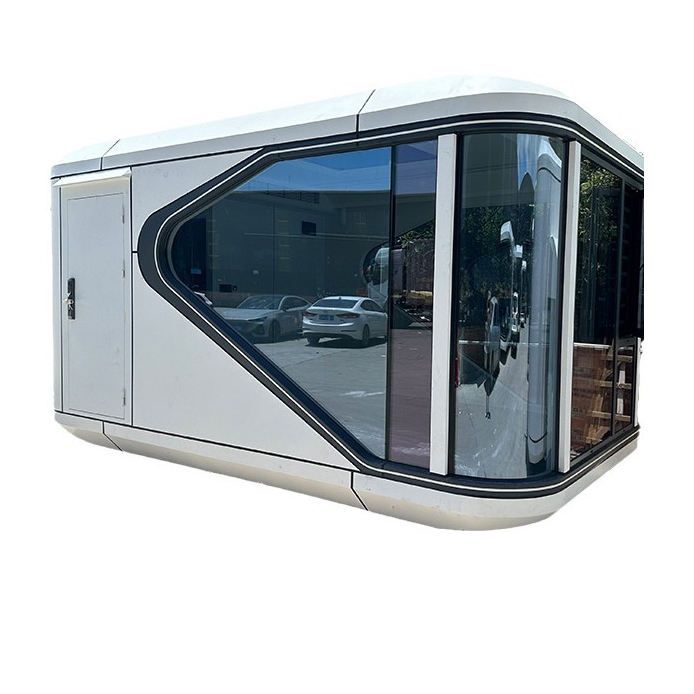
Whether rural container houses can be inhabited depends on specific circumstances and compliance with relevant laws and regulations.
I. Land Use Control Requirements
According to Article 4 of the Land Administration Law of the People's Republic of China, land is classified into agricultural land, construction land, and unused land, with a strict land use control system implemented by the state. If a container house is built on agricultural land without obtaining the legally required approval for converting agricultural land to construction land, it constitutes illegal land use, and such houses are prohibited from being inhabited. If built on land that has been legally converted to construction land and complies with land use planning, it may meet the conditions for habitation, but other regulatory requirements must still be satisfied.
II. Urban and Rural Planning Permit Requirements
Based on Article 40 of the Urban and Rural Planning Law of the People's Republic of China, the construction of buildings or structures within urban or town planning areas must apply for and obtain a construction project planning permit. Even if a container house is located in a rural area, if it is classified as a building or structure, constructing it without a planning permit constitutes illegal construction, and it is not permitted for habitation. Additionally, if the house violates local urban and rural planning or village planning, it may face the risk of demolition, further restricting its residential function.
III. Fire Safety Requirements
According to Articles 16 and 26 of the Fire Protection Law of the People's Republic of China, buildings must meet fire safety standards, including the installation of fire protection facilities and equipment and the use of building materials that comply with fire resistance requirements. If a container house uses flammable materials, lacks fire exits, or has no fire extinguishing equipment, it poses significant safety hazards and is prohibited from being inhabited. For example, although the metal shell of an ordinary container is fire-resistant, if the interior decoration materials do not meet fire resistance standards, there is still a risk of fire.
IV. Other Potential Restrictions
In addition to the aforementioned regulations, local policies must also be considered. For example, some regions may impose additional regulations on the usage period and structural safety of temporary buildings. If a container house is classified as a temporary building, it must be demolished or re-approved after exceeding its usage period; otherwise, it cannot continue to be inhabited.
Conclusion: Whether rural container houses can be inhabited requires a comprehensive assessment of land nature, planning permits, fire safety, and local policies. Only when the house is located on legally designated construction land, has obtained planning permits, meets fire safety requirements, and complies with local regulations can it be inhabited. It is recommended to consult local natural resources, housing and construction, and fire protection departments before construction to ensure compliance.



