
Row-type Mobile Toilet
A row-type mobile toilet is an environmentally friendly sanitation facility with a public hand-washing area, a sturdy structure, and wide applicability. The following provides an introduction from three aspects: design features, structural advantages, and applicable scenarios.
I. Design Features
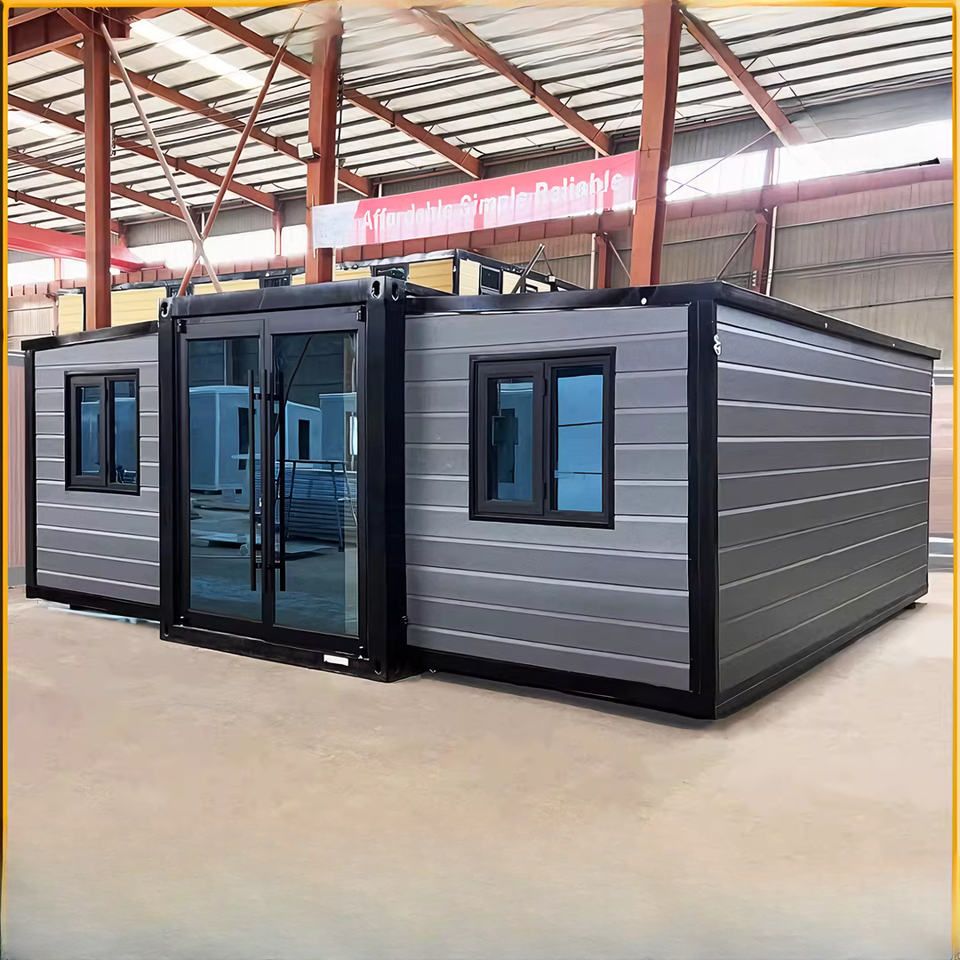
The core design of a row-type mobile toilet revolves around the concept of a "public area + independent squatting stalls". Taking the products of Taihe Mobile Toilet Manufacturer as an example, they adopt an extra-wide layout with a public hand-washing area in the middle, facilitating simultaneous use by multiple people and enhancing efficiency. The number of squatting stalls can be flexibly configured according to needs, with a common configuration being 4 squatting stalls paired with 1 management room, which can be used for storing cleaning tools or as a rest area for staff. The interior is fully equipped with sanitary fixtures, including toilets, sinks, mirrors, etc., and can be put into use immediately after installation without additional setup, significantly reducing deployment time. Additionally, the exterior walls are made of gray and white metal carved panels, which not only have a simple and aesthetically pleasing appearance but also possess thermal insulation and corrosion-resistant properties, enabling long-term use in various climatic conditions.
II. Structural Advantages
The main frame of a row-type mobile toilet is entirely welded from 80mm square steel, ensuring a stable structure with strong wind and earthquake resistance. The thickened and reinforced galvanized frame undergoes special treatment to effectively prevent rust, with a service life of over 15 years, reducing long-term maintenance costs. Its modular design makes transportation and installation more convenient, allowing for easy assembly or layout adjustments according to site requirements, offering high flexibility. Meanwhile, the combination of metal carved panel exterior walls and the galvanized frame not only guarantees structural strength but also enhances overall thermal insulation performance, reducing internal temperature rise in summer and heat loss in winter, providing users with a more comfortable experience.
III. Applicable Scenarios
Row-type mobile toilets have wide applicability and are particularly suitable for public places with high foot traffic. For example, tourist areas such as scenic spots and parks often face the issue of concentrated use of sanitation facilities by tourists. The row-type design can meet the needs of multiple people simultaneously, alleviating queuing pressure. Temporary event venues like campsites and music festivals have limited site conditions, making it difficult to quickly deploy traditional fixed toilets. In contrast, row-type mobile toilets can be quickly installed and put into use, and can be relocated to other locations for reuse after the event, saving resources. Additionally, their corrosion-resistant and easy-to-clean properties make them an ideal choice for long-term or temporary sanitation facilities at construction sites and transportation hubs.



