
Rooftop Small Container House
Whether placing a small container house on the rooftop is considered an illegal construction depends on the situation. Generally, if it meets conditions such as temporary use, not damaging the structure, and not hardening the ground, it may not be classified as illegal construction, but this is subject to local policies.
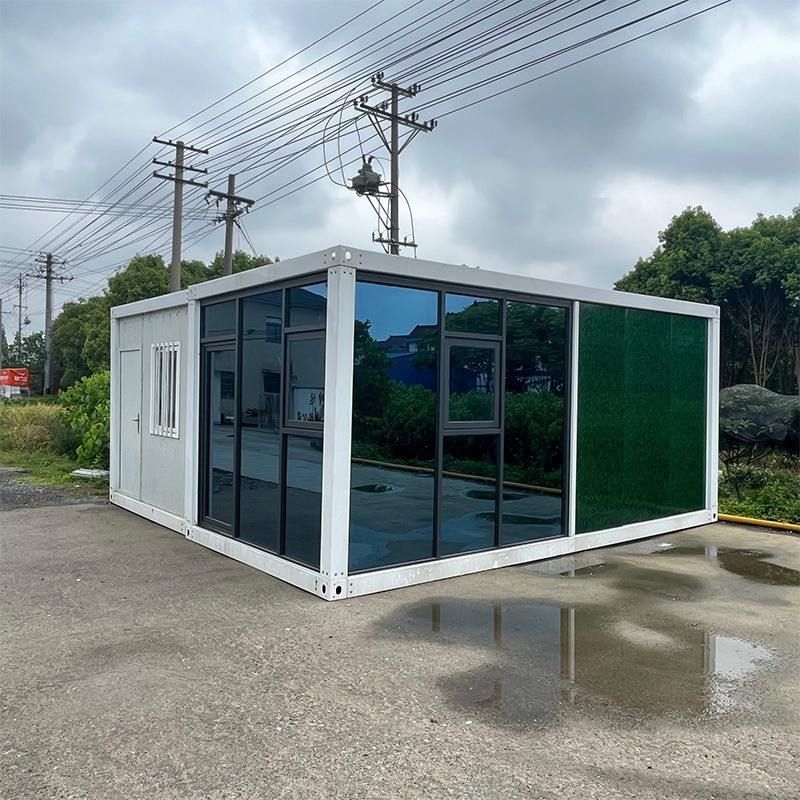
I. Nature of Container Houses and Definition of Illegal Construction
Container houses are movable metal structures, not traditional fixed buildings, and are designed with flexibility, typically used for temporary storage or living scenarios. According to the definition of illegal construction, those without planning permits, unauthorized changes in land use, or the construction of permanent buildings are considered illegal. If a container house does not damage the original building structure, does not harden the ground or build permanent foundations, and is only used as a temporary container (such as for storing agricultural materials or tools), it generally does not occupy land quotas and is therefore not considered illegal construction.
II. The Dominant Role of Local Policies
The key to determining whether it is illegal construction lies in local policies. Some regions regard container houses as temporary buildings, requiring no building permits, allowing free erection and dismantling; however, other regions may classify them as illegal structures. For example, when placing a container house on a rooftop or farmland, if it does not damage the plow layer, does not have water and electricity connections, and does not undergo traditional foundation construction, it is usually not considered illegal construction; but if the ground is hardened or the land use is changed (such as for business or residence), it may be classified as illegal construction.
III. Precautions During Use
- Avoid hardening the ground or building permanent foundations: Hardening the ground may be classified as illegal construction.
- Usage restrictions: Container houses should not be used for business or residence to prevent being classified as a "substantial change in land use."
- Consult relevant departments: It is recommended to consult local planning and urban management departments in advance to clarify the usage period and purpose and follow the procedures for handling permits.



