
Rooftop Mobile Toilet
Mobile toilets can be installed on rooftops, but their feasibility needs to be evaluated based on the specific environment.
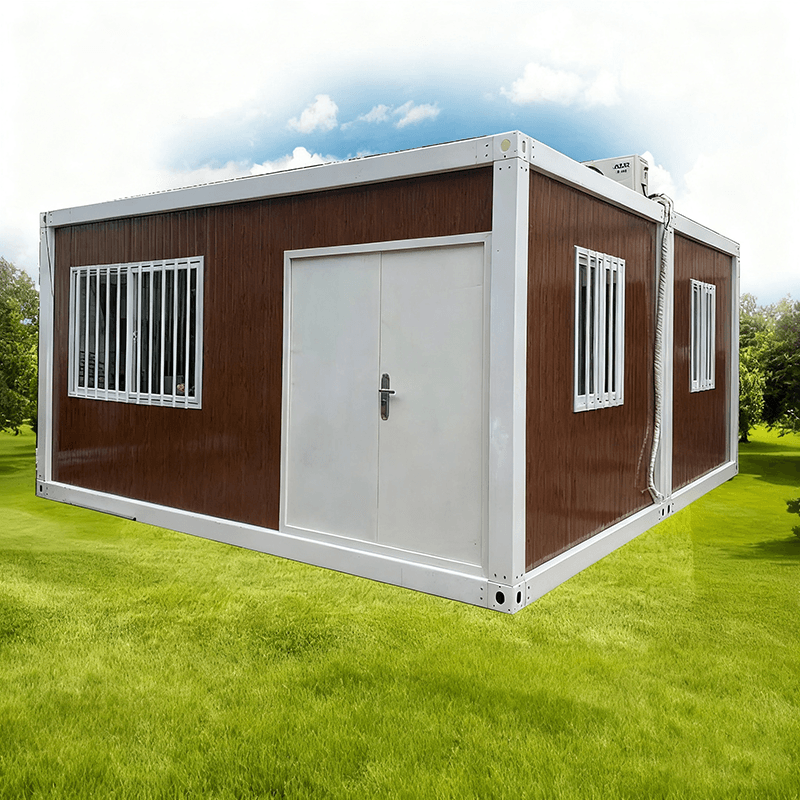
The core characteristics of mobile toilets make them suitable for rooftop applications. Their design focuses on mobility, modular combination, and convenient transportation, making them ideal for temporary or permanent public places such as stations, docks, and tourist attractions. If there are transportation channels (such as elevators or hoisting equipment) on the rooftop and sufficient space, mobile toilets can serve as a solution for temporary sanitary facilities. However, the following conditions must be carefully evaluated:
1. Structural and transportation feasibility
Mobile toilets are typically composed of modules such as fecal sewage storage tanks, floor slabs, sanitary fixtures, walls, roofs, and mobile devices. If the rooftop is equipped with elevators or hoisting equipment, the toilets can be transported as a whole or in modules. If the space is narrow, a modular design that can be disassembled should be chosen, and assembly can be completed through manual handling. Additionally, it is necessary to confirm whether the ground bearing capacity of the rooftop meets the self-weight and usage load of the toilet to avoid structural damage.
2. Drainage and environmental protection requirements
The drainage methods of mobile toilets are divided into direct drainage and storage types. Direct drainage requires connection to the rooftop drainage pipes, and the pipeline layout needs to be planned in advance. The storage type relies on built-in sewage tanks and requires regular cleaning and transportation. If there are no drainage conditions on the rooftop, waterless flushing toilets can be selected, which use biological degradation or packaging technology to treat feces. However, odor control and cleaning frequency need to be evaluated.
3. Water and electricity supply adaptability
Some mobile toilets rely on water and electricity for operation (such as flushing toilets and lighting). It is necessary to confirm whether the rooftop has access to water and electricity. If not, waterless toilets (such as foam-sealed or microbial degradation types) can be chosen, or independent water tanks and batteries can be equipped, but regular maintenance and replenishment are required.
4. Installation and maintenance costs
When installing on a rooftop, factors such as hoisting costs, labor costs, and the convenience of later maintenance need to be considered. For temporary use, it is recommended to choose a rental model to reduce costs. For long-term use, the durability of the equipment and its resistance to wind and sunlight need to be evaluated to ensure the stability of the rooftop structure.
In conclusion, the feasibility of rooftop mobile toilets requires a comprehensive evaluation of transportation conditions, structural safety, environmental protection requirements, and cost-effectiveness. It is recommended to contact suppliers in advance for on-site surveys and to develop targeted plans to ensure the safety and compliance of the facilities.



