
Rooftop Container House
Whether placing a container house on the rooftop constitutes illegal construction depends on various factors, primarily whether legal approval has been obtained, whether the building structure and purpose have been altered, and whether local regulations are complied with. Detailed analysis is as follows:
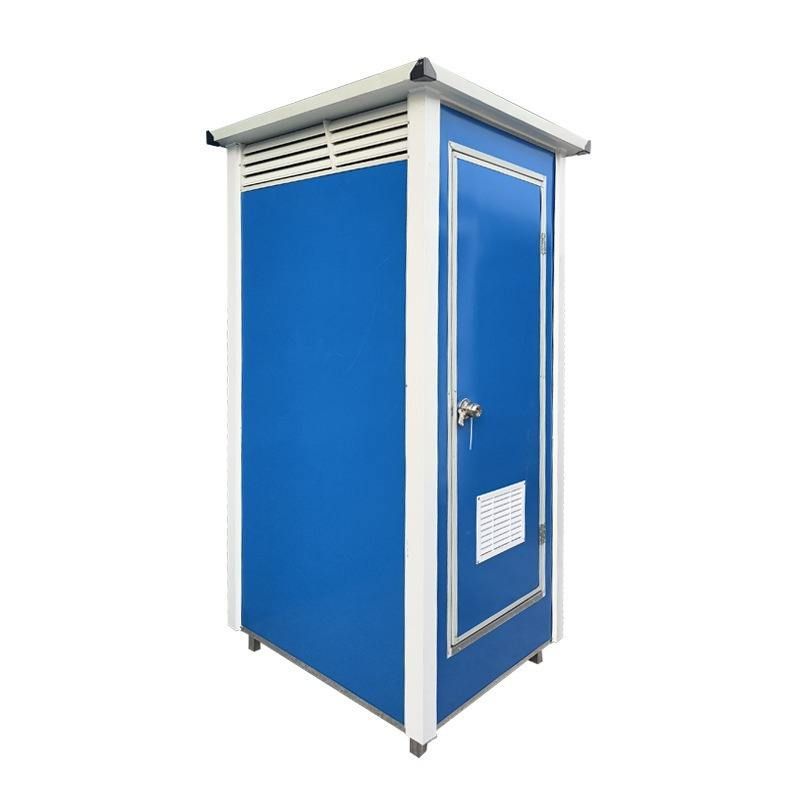
1. Legal Definitions and Core Criteria for Determination
According to the Urban and Rural Planning Law, illegal construction must meet two conditions: first, failure to obtain planning or land-use permits; second, formation of a fixed building. Container houses are essentially movable metal structures. If the ground is not hardened, no water or electricity is connected, and the land nature (such as damage to the arable layer) is not altered, they are generally not considered illegal construction. However, if methods such as pouring foundations or connecting to utilities are used to give them permanent residential or business functions, they may be deemed as "substantially altering land use" and thus constitute illegal construction.
2. Impact of Regional Policy Differences
The regulatory standards for container houses vary significantly across regions. For example, coastal cities like Shanghai and Shenzhen have introduced special policies to encourage the use of container buildings in cultural tourism and commercial sectors. In contrast, some agricultural provinces (such as a new regulation in a certain province in 2025) require temporary building registration for container houses in fields, even if they are only used for storing agricultural tools. Additionally, placing containers on urban rooftops must comply with the Management Measures for Rooftop Additions to Existing Buildings. If structural safety assessments are not conducted or the rooftop's planned use (such as changing from a non-construction area to a usable space) is altered, they may be deemed illegal construction even if not fixed.
3. Key Risk Points and Compliance Conditions
- Land Nature: Placing containers is absolutely prohibited in basic farmland and ecological protection zones.
- Functional Use: Risks are lower if used solely for temporary storage (such as storing agricultural materials or tools) without hardening the ground or connecting to utilities. If converted to business uses like homestays or shops, land-use approval, planning registration, and fire safety permits are required.
- Structural Safety: Compliance with the Technical Specification for Modular Combination Container Houses (CECS 334:2013) is necessary to avoid threatening the building's load-bearing capacity.
4. Practical Cases and Enforcement Logic
- Compliant Case: Farmers placing container houses on fields without hardening the ground or connecting to utilities are generally not considered illegal construction by urban management departments.
- Illegal Construction Case: A homeowner placing a container on a second-floor balcony and converting it into a living space was ordered to demolish it for failing to obtain a construction engineering planning permit and altering the public area's purpose.
Recommendation: Before placement, consult local planning and housing construction departments to clarify the purpose, duration, and approval process to avoid illegal construction risks due to information gaps.



