
Renovation Mobile Toilet Case Sharing
Here are two case studies on the renovation of mobile toilets, covering design and application in different scenarios:
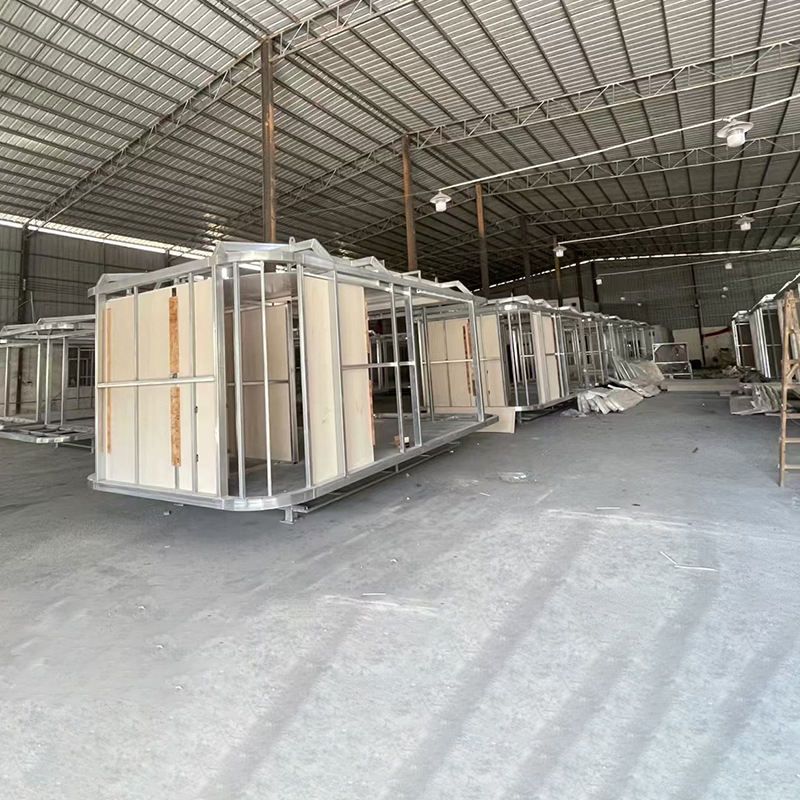
Mobile Restrooms in Tourist Attractions: A Model of Environmental Protection and Cultural Integration A 5A-level tourist attraction customized a batch of eco-friendly mobile restrooms to enhance the visitor experience. The core design philosophy revolves around energy conservation and emission reduction and landscape harmony:
- Energy System: Utilizing a solar power system, photovoltaic panels convert sunlight into electricity to meet basic needs such as internal lighting and ventilation, reducing reliance on the traditional power grid and lowering carbon emissions.
- Water-Saving Technology: Equipped with water-saving flushing devices and combined with biodegradation technology for waste treatment. Biodegradation breaks down organic matter through microorganisms, converting it into harmless substances, preventing water pollution in the scenic area's water bodies, and reducing water consumption.
- Exterior Design: The restroom bodies adopt color schemes that harmonize with the natural landscape of the scenic area, such as wooden textures or stone-like designs, and incorporate local cultural elements (such as traditional patterns and regional symbols), making them part of the landscape rather than obtrusive structures.
- Functional Expansion: Some restrooms include maternity rooms and barrier-free facilities to meet diverse needs; interior details such as anti-slip floors and sensor-activated faucets enhance safety and convenience.
Mobile Restrooms on Construction Sites: Balancing Practicality and Mobility A large construction site customized a batch of high-strength mobile restrooms to address workers' restroom needs, focusing on durability and flexibility:
- Material Selection: The main body is made of rust-resistant metal (such as galvanized steel plates) with anti-corrosion treatment on the surface to withstand harsh construction site environments and extend service life; interior facilities (such as partitions and toilets) are made of easy-to-clean materials to reduce stain retention and lower maintenance costs.
- Mobile Design: Equipped with wheels or detachable supports at the bottom, allowing for manual pushing or mechanical lifting, facilitating position adjustments according to construction progress and avoiding resource waste from repeated construction.
- Interior Layout: Compact yet fully functional, including independent squatting stalls, sinks, and storage areas; some models are equipped with septic tanks for regular removal and treatment by professional vehicles to ensure hygiene.
- Safety Measures: Anti-slip mats, ventilation openings, and emergency lighting are added to prevent worker slips or health issues caused by poor air circulation; reflective markings on the exterior enhance nighttime visibility and reduce accident risks.
Case Insights: The design of mobile toilets should be tailored to the needs of the usage scenario, with tourist attractions emphasizing environmental protection and aesthetics, and construction sites focusing on durability and convenience. Through modular design, the application of new materials, and intelligent technologies (such as sensors to monitor usage frequency), the functionality and cost-effectiveness of mobile toilets can be further optimized.



