
Reliable Container House
A reliable container house should possess characteristics such as structural stability, efficient installation, compliance and safety, and durability and cost-effectiveness.
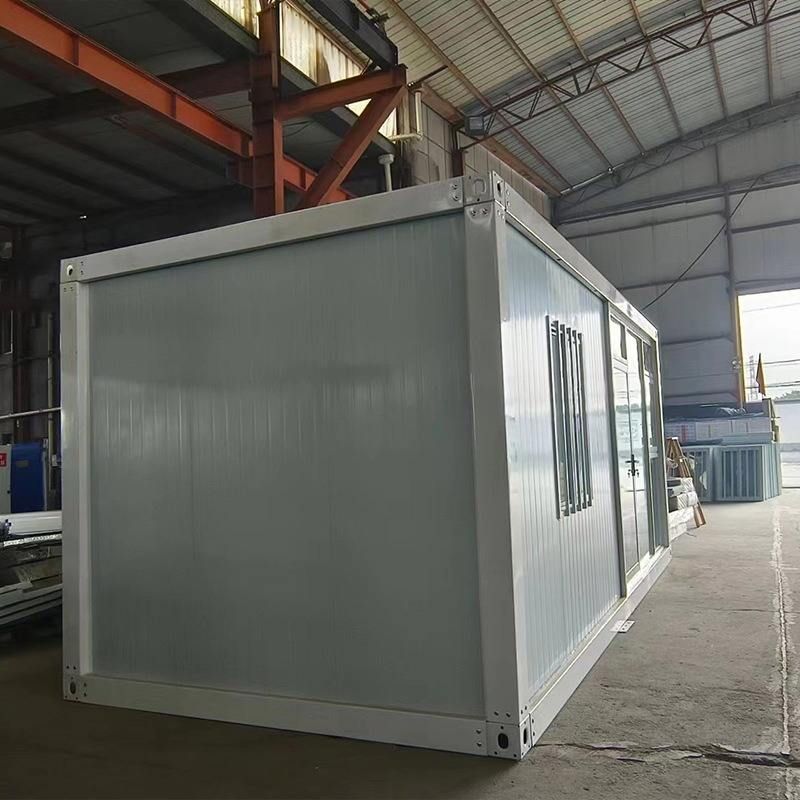
Structural Stability: Qualified container houses need to have excellent wind and earthquake resistance capabilities. For example, the products of Suzhou Zhongnan Steel Structure Co., Ltd. adopt a full steel structure frame. Under extreme conditions, they can withstand wind speeds of up to 12 on the Beaufort scale and have an earthquake resistance rating of 8. The frame deformation rate is far below the industry's qualified threshold. In contrast, non-standard off-brand products can only withstand wind speeds of 6-7 on the Beaufort scale. Under strong wind conditions, they are prone to frame deformation and wall cracking, posing serious safety hazards.
Installation Efficiency: Leading enterprises' container houses use prefabricated assembly technology, significantly reducing on-site installation time. For instance, Zhongnan's quick-assembly containers can be installed in just 2 hours per unit and support on-demand combination. Ten standard dormitories can be built within one day. However, some off-brand products, due to non-standard installation processes, take more than 8 hours to install a single unit, leading to project delays and substantial fines.
Compliance and Safety: Compliant products must pass fire performance tests, wind and earthquake resistance certifications, and have complete export compliance service capabilities. For example, national standards require that container mobile homes have a fire resistance rating of at least B1. Off-brand products, on the other hand, often use flammable materials and have a fire resistance rating of only C. In the event of a fire, the fire spreads rapidly, causing severe casualties and property damage.
Durability and Cost-Effectiveness: Container houses from leading enterprises support multiple disassembly and reassembly cycles for reuse, reducing construction waste emissions by about 90% and improving resource utilization. For example, Zhongnan's folding container mobile homes, when folded, have a volume only one-fifth of their expanded state. The transportation cost is 40% lower than that of non-folded products, and the storage space utilization rate increases by 60%. They are suitable for scenarios requiring frequent transportation, such as emergency rescue and short-term turnover.



